

“Pro-aging isn’t about fighting time—it’s about showing up confidently in the life you’ve lived and embracing the experiences that shaped who you are.”
– Margot Grant Witz
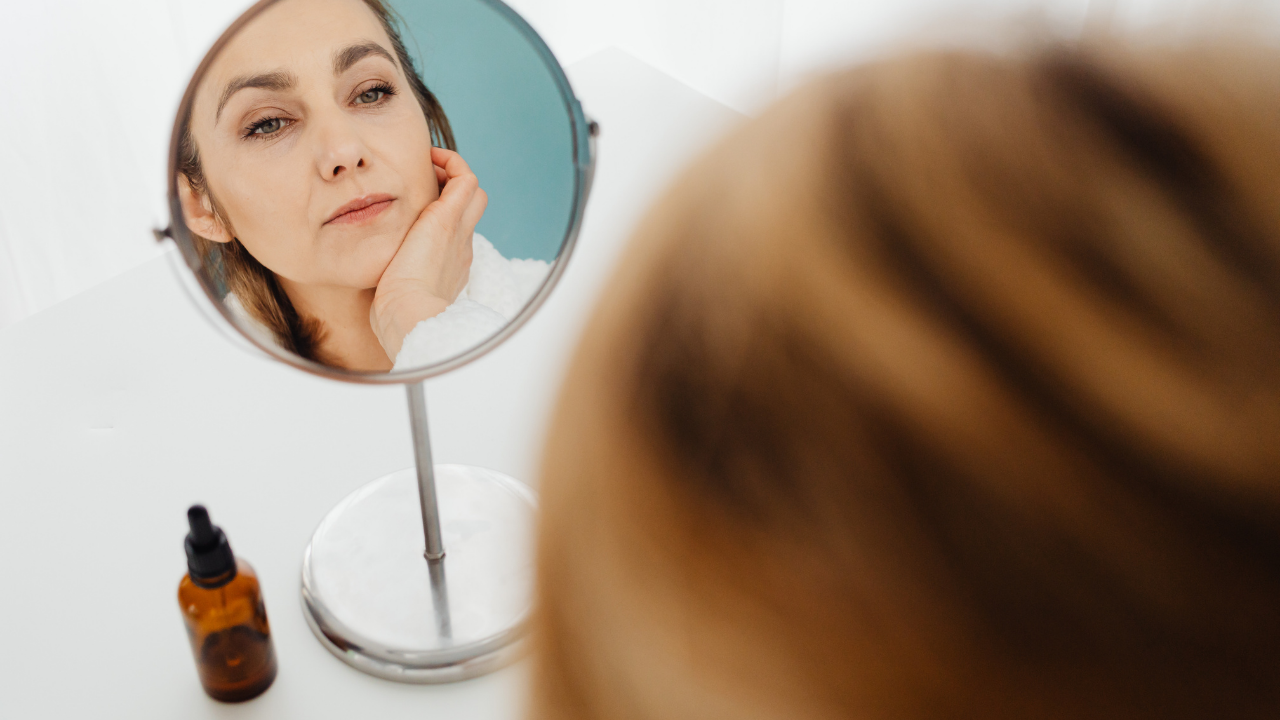
Have you ever looked in the mirror and thought, “Why do I look so tired?” Not necessarily older—just tired. And somehow that reflection changes your mood for the rest of the day.
This conversation features Margot Grant Witz, a third-generation leader in the skincare industry and part of the family behind Elizabeth Grant Skin Care, a company founded more than seven decades ago, where she is the current Vice President. Continuing the legacy started by her grandmother, Margot focuses on reframing the conversation around aging—from something to fear into something to embrace.
In this informative article, she explores a powerful topic: the struggle many women feel with aging often has less to do with wrinkles and more to do with confidence, identity, and the expectations placed on women throughout their lives.
The deeper conversation isn’t really about skincare—it’s about how we relate to ourselves as we age. Margot reveals that when we shift the narrative from “fighting aging” to embracing growth, health, and self-respect, we unlock a far more sustainable path to well-being.
The cultural story about aging—and why it’s so damaging
For many women, the pressure around appearance begins early. Society often sends the message that beauty must fit a narrow mold: the right shape, size, hair, skin, and age.
Over time, these expectations create a subtle but powerful fear: the fear of becoming invisible.
Margot explains that when women constantly see images of “the newest and youngest” replacing older ones—whether in media, workplaces, or relationships—it can create a sense that aging means losing value.
But that belief is not only inaccurate—it’s deeply harmful.
The truth is that aging represents experience, resilience, and wisdom. Every stage of life carries its own strengths. Yet many women spend years trying to delay or hide a natural process instead of learning how to support themselves through it.
The real challenge isn’t age itself. It’s the erosion of confidence.
Social comparison and the pressure to look “perfect”
Modern culture adds another layer of complexity: social media.
Today, people are constantly exposed to curated images—carefully edited photos, ideal lighting, filters, and staged moments that present a polished version of reality. Over time, those images can subtly shift our perception of what “normal” looks like.
When people compare their everyday reality with someone else’s edited highlights, it becomes easy to feel like they don’t measure up.
Margot emphasizes that this constant comparison creates a false standard. What people see online rarely reflects the full story behind the image. The danger isn’t just aesthetic pressure—it’s the internal narrative that says “I’m not enough.”
Changing that narrative is a crucial step toward healthier self-perception.
What women are really reacting to when they see their skin change
When people say they’re frustrated with their skin, they often talk about things like dullness, dark spots, wrinkles, or loss of firmness.
But those physical concerns often represent something deeper.
Aging can trigger reflection about life itself—questions about the past, the choices we’ve made, and whether we’ve accomplished what we once dreamed of.
A line in the mirror may remind someone of time passing. But it can also represent something meaningful: laughter, heartbreak, perseverance, motherhood, friendships, or life experiences that shaped who they are today.
Margot offers a different perspective:
Wrinkles are not simply signs of aging. They are records of moments lived—laugh lines from joy, creases from empathy, and expressions that reflect a life full of emotion.
When viewed through that lens, the narrative around aging begins to shift.
Why confidence—not perfection—changes how we show up
Confidence has an enormous impact on how people move through the world.
When someone feels good about themselves, their posture changes. They make stronger eye contact. They speak more freely. They walk into a room with presence.
When confidence is low, the opposite happens. People shrink back. They worry about how others see them. They focus on flaws instead of strengths.
Margot describes great skin not as perfection, but as comfort in your own skin—similar to the feeling of putting on your most comfortable clothes at the end of the day.
It’s not about flawless appearance. It’s about feeling at ease with yourself.
Importantly, confidence doesn’t come from external validation alone. It grows through self-care, routines, and habits that reinforce the belief that you deserve to invest in yourself.
Simple pro-aging habits that support healthy skin and well-being
Instead of chasing endless trends, Margot recommends focusing on a few consistent habits that support skin health and overall wellness.
1. Cleanse your skin properly
A gentle cleanser helps remove dirt, oil, and environmental pollutants that accumulate throughout the day. Simply wiping the face with makeup wipes may remove surface makeup, but often leaves residue behind.
A proper cleanse supports the skin’s natural balance and allows other products—or natural repair processes—to work effectively.
2. Protect your skin from excessive sun exposure
Sun exposure is one of the biggest contributors to visible skin aging.
This doesn’t mean avoiding the outdoors entirely. Sunlight is important for vitamin D and mental health. But protective habits—such as wearing hats, limiting excessive exposure, and using sun protection—can help maintain skin health over time.
3. Manage internal stress
One of the most overlooked contributors to skin aging is stress.
Chronic stress can affect sleep, inflammation, and hormone levels, all of which influence skin health. Small daily habits—getting enough sleep, staying hydrated, walking regularly, and finding moments of calm—can make a noticeable difference.
Margot notes that sometimes the most effective self-care strategies are the simplest ones.
The connection between routine and confidence
Daily routines have a powerful psychological impact.
When someone creates small habits—whether it’s skincare, exercise, journaling, or making their bed—they build a sense of control and momentum. Completing even one intentional act of self-care can set a positive tone for the rest of the day.
Margot compares this to a domino effect. When you take care of one area of your life, it often motivates you to make better choices elsewhere.
Over time, these small habits reinforce a deeper belief: you are worth caring for.
Redefining what “prime” really means
One of the most powerful parts of the conversation came when Margot challenged the idea of being “past your prime.”
What does that actually mean?
Many people who achieved significant success didn’t reach their peak until later in life. Entrepreneurs, artists, and leaders often build their greatest achievements after decades of experience.
Life doesn’t follow a rigid timeline.
Prime isn’t defined by youth. Prime is defined by opportunity—the ability to wake up, make choices, and continue growing.
Every stage of life carries the potential for reinvention.
Aging as a privilege, not a problem
Margot also reminds us of something easy to forget: not everyone gets the opportunity to grow older.
Aging represents survival. It represents life continuing.
Rather than seeing birthdays as something to dread, she encourages people to see them as milestones—evidence of experiences, relationships, and memories that shaped who they are today.
When we begin to see aging as a privilege, the entire conversation shifts from fear to gratitude.
The deeper message of pro-aging
Pro-aging doesn’t mean ignoring self-care. It doesn’t mean giving up on looking and feeling your best.
Instead, it means shifting the motivation behind those choices.
Rather than asking “How do I stop aging?” the more empowering question becomes:
“How can I support my body and mind so I can feel my best as I age?”
That subtle change transforms self-care from a battle into a partnership with your body.
Reflection: Changing the conversation with yourself
If there is one takeaway from this conversation, it’s this: be kinder to yourself.
The way you speak to yourself shapes your confidence, your resilience, and how you move through the world.
Instead of focusing on what you think is wrong with you, try asking a different question:
What is right with me today?
That small shift can change everything. Because true confidence doesn’t come from eliminating every wrinkle or flaw.
It comes from recognizing that your value was never defined by them in the first place.

Beyond business, Margot leads EG Cares, the company’s charitable division, supporting nonprofits through education and gifts-in-kind, with a focus on animal welfare. She also volunteers her time and supports the Look Good Feel Better Foundation, which provides workshops for women living with cancer.