Longevity isn’t in a pill; it’s a practice of conscious choices every day.
– Dia Schwarz
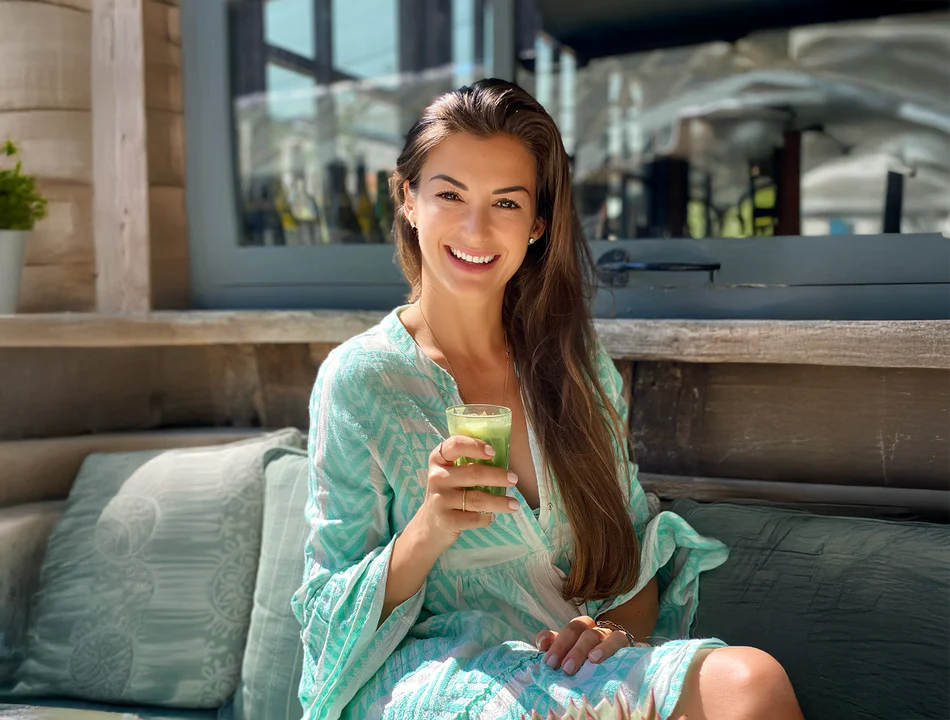
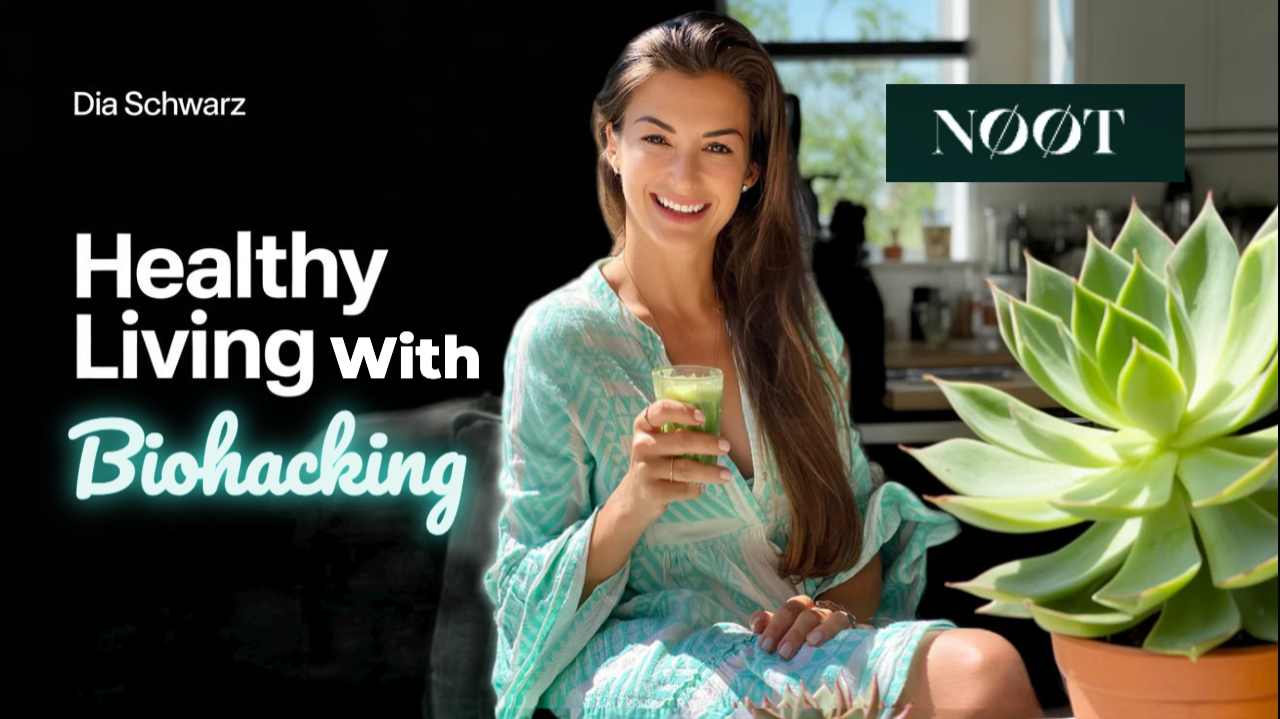
Biohacking isn’t just a buzzword… it’s a movement that’s reshaping how we think about health, longevity, and the connection between mind and body. With so many voices in the space, it can be hard to separate the fads from the science-backed practices that truly make a difference. Today, we’re sitting down with Dia Schwarz, visionary who has dedicated her life to bridging that gap, bringing clarity to an often confusing world of supplements, hormones, and lifestyle optimization.
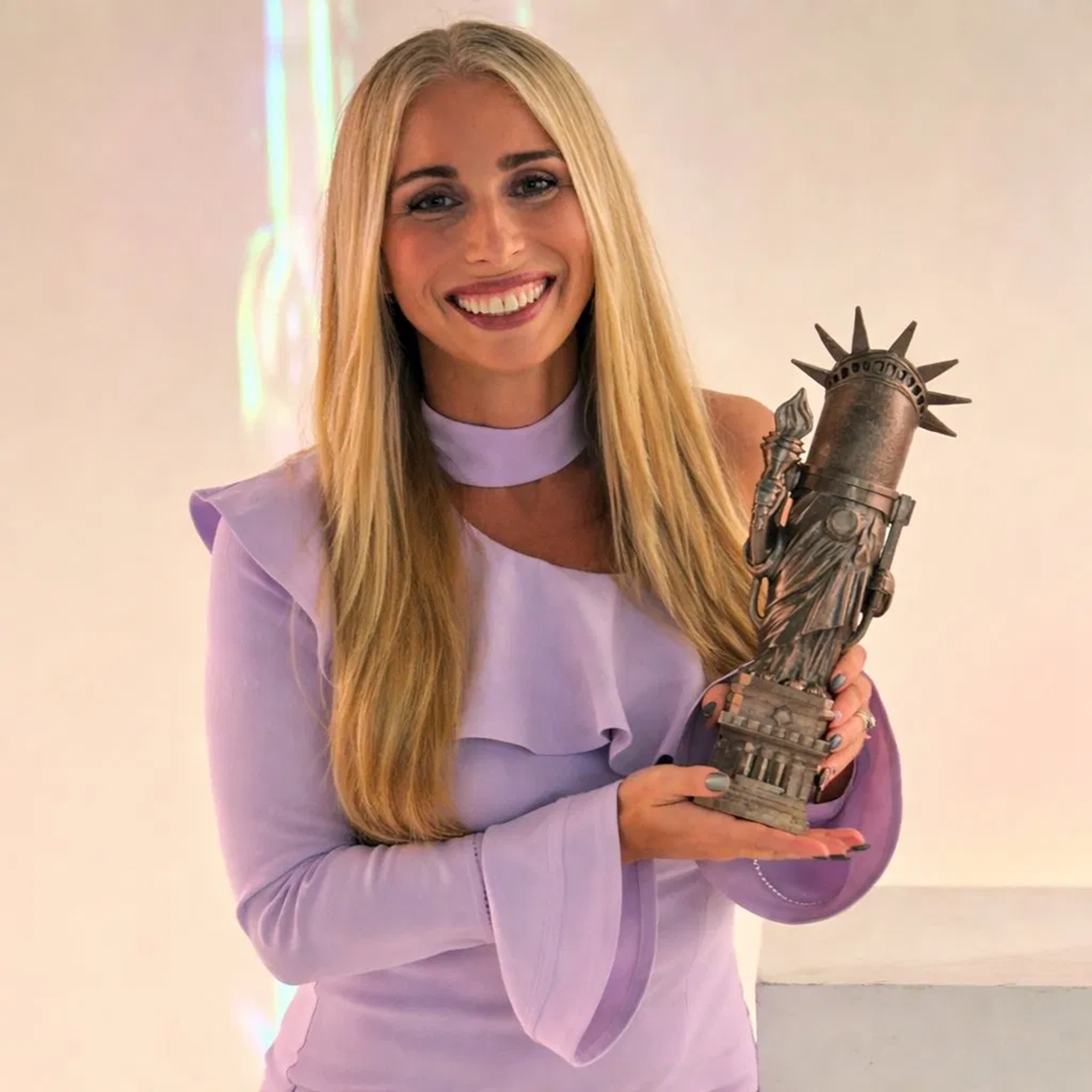
In this conversation with Stacey Chillemi, we dive into the truths and myths of biohacking with Dia Schwarz, founder of Noot and a leader in biointelligent supplementation. With roots in neuroscience, psychology, and a deep connection to nature, Dia offers both scientific expertise and lived experience. She brings a refreshing honesty to a field clouded by overhyped claims and empty promises. This interview is designed to give you the tools, insights, and inspiration to own your health journey and make conscious choices for a longer, healthier, more vibrant life. Learn More about Noot and Dias’s work at noot.us.
Thank you so much for joining us! Our readers would love to get to know you a bit better. Can you tell us a bit about your backstory?
I was born on a farm in Germany, where I grew up immersed in nature, animals, and herbs. My grandmother was the kind of woman who could turn plants into medicine… so I learned early on how roots, mushrooms, and phytogens worked their magic in our bodies. For years, I built a career in marketing, but after tragedies in my family, I felt a strong pull to return to healing and science. That led me to study neuroscience, become a certified psychologist, and dedicate myself to understanding depression, cancer, and mental health challenges. Now, I feel grateful to be able to share what I’ve learned and the secrets I’ve uncovered about how we can use intelligent biohacking to live longer, healthier, and more joyful lives.
What’s the single biggest misconception in biohacking today?
The biggest myth is that biohacking is just buying powders, trendy drips, or flashy pills. None of that works if your gut is inflamed, your hormones are depleted, or your supplements are loaded with fillers that block absorption. That’s not biohacking; it’s expensive guessing, and in some cases, it actually harms your body. True biohacking is about restoring the body’s systems: hormonal, cellular, and metabolic, so they can repair, adapt, and prevent disease. When those systems are supported, the result isn’t just energy or focus… It’s real longevity.
What fillers should people recognize, and why do they matter?
Most people don’t even know what fillers are, yet they’re swallowing them daily. Magnesium stearate, for instance, doesn’t help you… It actually blocks absorption. Maltodextrin spikes your blood sugar and fuels inflammation, even leading to diabetes when overused. Titanium dioxide is banned in Europe for safety reasons, but it’s still in countless U.S. supplements. And silicon dioxide can irritate your gut lining, making it harder to heal. These ingredients are added to cut costs, not to help you. If you really care about your health, always flip the bottle, read the label, and know what you’re putting into your body.
Are supplements and drips alone the answer? If not, what is?
Supplements alone won’t save you if your body can’t absorb them. Take vitamin D, for example. Millions take it but remain deficient because they don’t combine it with magnesium, vitamin K2, or gut support. Without that, the vitamin is biologically inert. True biohacking means creating intelligent inputs the body can use. The key is absorption and understanding what’s blocking it, whether it’s a hormonal imbalance, gut dysfunction, or fillers. Without that awareness, you’re just wasting money and risking your health.
Why is hormone testing so important?
Hormones are the control center of your body. If they’re out of balance, nothing else works; no supplement, no diet plan, no biohack. People usually only think about hormones during menopause, pre-menopause, or prostate health, but that’s far too late. Imbalances in pregnenolone, DHEA, testosterone, estrogen, or cortisol can show up as insomnia, anxiety, depression, bloating, or fatigue. Getting a complete hormone panel gives you the truth about what’s happening inside and gives you the power to address issues before they become long-term problems.
Why are we seeing hormonal issues so early in kids?
The food system is a huge factor. Hormones in poultry, nitrates in meat, pesticides in produce—these are all feeding into children’s bodies. Girls are experiencing menstruation earlier, and babies are developing resistance to antibiotics because mothers unknowingly consume small doses of hormones and antibiotics throughout pregnancy. I’m not against antibiotics when they’re truly needed—they can save lives—but the reality is that resistance is rising, and our food system is part of that story. Nutrition and conscious choices matter more now than ever.
Where does prevention fit into biohacking?
Prevention is the foundation of biohacking. You don’t wait until you’re sick to start caring for your health. Chronic diseases—cancer, diabetes, dementia—don’t appear overnight; they begin with unchecked inflammation, mitochondrial dysfunction, and collapsing hormonal systems. By restoring those systems early, you’re not just preventing disease—you’re laying down the framework for longevity. Prevention is about cellular repair, hormonal balance, and choosing foods that activate longevity pathways. It’s not fringe—it’s where medicine is headed.
Can biohacking really help with cancer?
Yes, and here’s why: cancer is fundamentally about cells that are dysfunctional and out of control. Biohacking strengthens the healthy cells, repairs damaged signaling, reduces oxidative stress, and supports immunity. That doesn’t mean if you’re diagnosed with pancreatic cancer, you can “just biohack” it away—that’s not reality. But biohacking helps the body become resilient and works alongside medical treatments. It supports the immune system, optimizes mitochondria, and stabilizes gut health. This isn’t magic… It’s biochemistry aligned with nature.
Why is biohacking so powerful?
Because it’s not about adding more, it’s about using what works. Hormones like pregnenolone, DHEA, estrogen, testosterone, and cortisol drop dramatically with age, which drives aging and disease. Without addressing that decline, your body can’t truly repair itself. Then we add phytogens—plant compounds like curcumin and resveratrol. They act like cellular messengers, telling genes when to switch off inflammation or activate repair. That’s where the power is: working with the body’s intelligence, not against it.
How do nootropics fit into this?
Nootropics are natural compounds that support brain performance and mental resilience. They go way beyond focus—they boost neuroplasticity, memory, emotional stability, and even help prevent cognitive decline. Mushrooms like Lion’s Mane support nerve regeneration, while Bacopa helps with stress resilience and recovery from burnout or long COVID. Biohacking with nootropics isn’t about overstimulation—it’s about supporting long-term brain health, emotional balance, and building resilience so you can think clearly under pressure.
What role do sleep and nutrition play?
They’re everything. You can’t just “pop a pill” while eating junk food and staying up past midnight and expect to feel good. Sleep, food quality, and lifestyle are non-negotiables. Even with something like melatonin, people don’t realize it’s a hormone—and using it long-term shuts down your body’s own production. That’s why we created phytomelatonin solutions—non-habit forming, natural, and supportive. Biohacking starts with respecting your body’s rhythms, not forcing them.
What are some myths or dirty truths in the supplement industry?
There are many. Probiotics without prebiotics are a waste of money—they don’t colonize. Fish oil often oxidizes and becomes toxic to your cells. Collagen without vitamin C won’t build collagen—and most collagen on the market is contaminated with antibiotics, hormones, and stress from slaughterhouses. We created vegetarian collagen to solve that. NAD+ creams? Total fantasy—it can’t penetrate cells that way. And curcumin without black pepper? Ninety percent wasted. These truths matter because people deserve to know what they’re actually buying.
Is caffeine a form of biohacking?
No—caffeine gives you a short burst of energy and then crashes you. That’s not biohacking; that’s a rollercoaster. Start your day with water, add lemon, flush your cells, and then enjoy a small espresso if you like. What I see in the U.S.—giant bottles of coffee carried everywhere—only accelerates aging and damages gut health. Conscious consumption is the key.
What do adaptogens bring to the table?
Adaptogens are nature’s way of balancing stress. They don’t sedate or overstimulate—they fine-tune your cortisol and help your body adapt. Ashwagandha, rhodiola, and holy basil protect the nervous system, stabilize energy rhythms, and restore resilience. Without adaptogens, your nervous system can get stuck in overdrive. They’re a foundational piece of biohacking, and why we include them in so many of our products.
What makes your company different from others?
We don’t just sell supplements; we take an integrative approach. Our products contain no fillers, use probiotic plants for absorption, and are never tested on animals—only on family, friends, and in clinical partnerships. We look beyond surface-level fixes to the root causes: depression, hormonal imbalances, infertility, and even cancer. That’s what makes us different—we create solutions that support the body in real ways, not quick fixes. For us, it’s about community, transparency, and long-term health.
How do you engage the community in your work?
We listen. People come to us with questions and struggles, and we build products that address their real needs. We invite feedback and create promotions to make access easier. It’s not about pushing pills; it’s about building a shared journey where people understand their bodies and feel supported. That’s the difference between being a company and being a community.
If people remember only a few things, what should they be?
Own your health. Get your blood work and check your hormones. Read labels carefully—don’t accept fillers. Drink warm water, put your phone away before bed, and surround yourself with people who lift you up. Tiny changes create massive impact. Conscious eating, behavior, and responsibility for your body ripple out to your family, community, and even the planet. That’s how we make the world healthier together.
Do you have any promotions for readers?
Yes, we’re offering a promotion to make it easy for people to try. On our website, www.noot.us, you can use code stacey50 for 50% off, first-come, first-served. After that, we have stacey25 running for two weeks. We want people to test, learn, and give feedback so we can continue building better solutions. This is about partnership, not just products.
How can our readers further follow your work online? Where can people find you and your products?
You can find us at noot.us, on X @noot_world, and on Instagram @noot.world. We’ve made our products accessible wherever people are most comfortable shopping. And more importantly, our team is always ready to answer questions and support anyone curious about their health journey. We love engaging with curious minds and welcome everyone to explore, ask, and grow with us.
This has been such an insightful conversation. Thank you for sharing so much knowledge and wisdom today.
Thank you, Stacey, for holding this space and asking the right questions. I’m truly grateful we had this conversation, and I look forward to inspiring more people together.