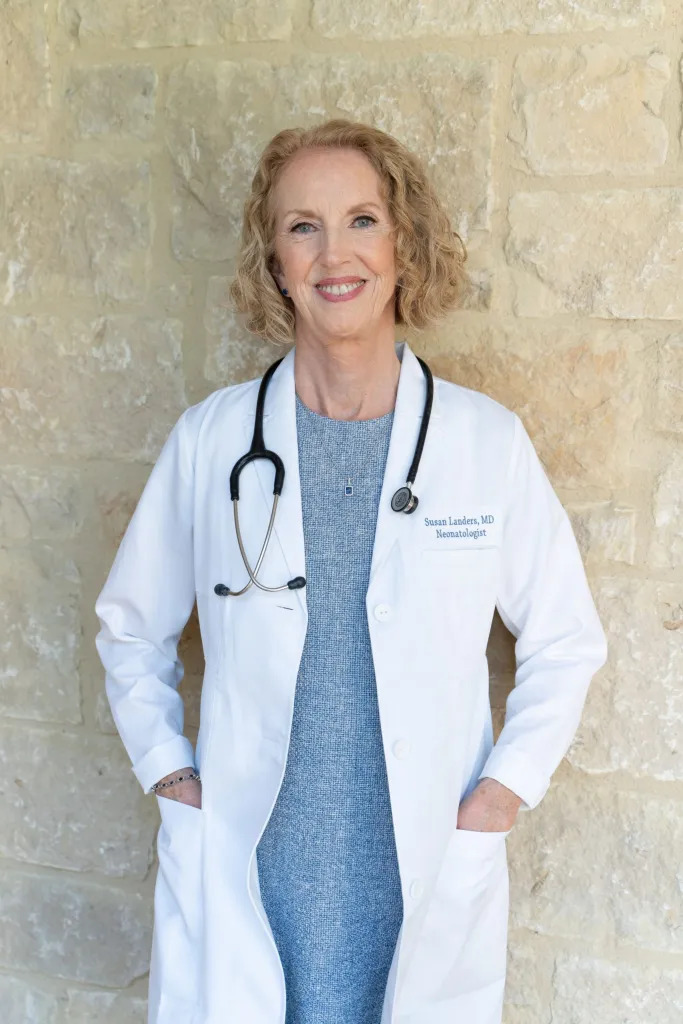

Breast milk delivers immune protection and fuels brain growth; even a little makes a meaningful difference.
– Dr. Susan Landers.
With clarity and compassion at the forefront, Stacey Chillemi sits down with neonatologist and author Dr. Susan Landers for a candid, evidence‑led conversation on breastfeeding, breast milk, and formula. Through Moms Matter, her podcast on this Advisor Network, and a growing Substack newsletter, Dr. Landers pairs a clinician’s precision with a mother’s empathy. The aim is clear: quiet the noise, elevate the facts, and offer judgment‑free guidance parents can actually use.
This discussion moves from cultural crossfire to practical next steps. We explore the steep drop from 84% breastfeeding initiation to 25% exclusive breastfeeding at six months, as well as workplace barriers alongside public nursing protections, medication myths, and the comparison of safe donor milk banking versus online milk sales. We also unpack how formula marketing shapes choices, what constitutes a medically sound formula, and why the best available evidence has linked breastfeeding with fewer infections and a markedly lower risk of SIDS. Throughout, Dr. Landers keeps the focus on achievable support: addressing topics such as engorgement and mastitis, navigating multiples, returning to work, partner involvement, and—when desired—induced lactation.
Thank you so much for joining us! Our readers would love to get to know you a bit better. Can you tell us a bit about your backstory?
I am a neonatologist, a “baby doctor”, who has spent decades caring for the tiniest and most vulnerable patients. Alongside clinical work, I’ve written about balancing a high-stakes medical career with motherhood in So Many Babies. I now devote my energy towards educating and supporting parents through my Moms Matter newsletter and conversations about breastfeeding, breast milk, and formula. I aim to translate medical evidence into practical, compassionate guidance that helps parents feel informed and confident.
What sparked your desire to weigh in on the current “breastfeeding vs. formula” debate online?
I’ve been following spirited exchanges on Substack and Instagram in which influencers compare formula to breastfeeding… some even claim that formula is “better.” Those conversations often push moms into camps: some proudly breastfeed for years, others struggle with supply and find formula less stressful, and many fall somewhere in between. The variety of stories reveals how modern culture treats new mothers and highlights the uneven support they often receive. I want to ground these discussions in evidence and empathy, so that parents can make informed decisions without fear or shame.
What do the numbers tell us about breastfeeding in the U.S.?
84% of U.S. mothers start breastfeeding, yet by six months, only 25% are exclusively nursing. That steep drop-off signals gaps in the first months, when support and clear guidance are most crucial. Contributing factors include limited lactation support after hospital discharge, a quick reach for supplementation without a plan, late-preterm infants who don’t transfer milk efficiently, and the transition back to work. When we address these barriers, we give more families a fair chance to meet their feeding goals.
How much does the workplace factor in?
The workplace plays a significant role, especially when mothers return within the first two or three months. Many still face inadequate pumping spaces, no privacy, no refrigerator, and no sink… logistical hurdles that erode supply production and morale. Some states require accommodations for breastfeeding employees, but protections are inconsistent, resulting in uneven experiences for working mothers. One important reassurance: nursing in public is protected in all U.S. states, and mothers should feel confident exercising that right.
There’s confusion about medications. What’s true?
The public often assumes that taking any medication means breastfeeding must stop, and that simply isn’t accurate. Most antidepressants are compatible with breastfeeding, and almost all antibiotics are as well. Truly contraindicated medications are uncommon, but persistent myths create unnecessary fear and early weaning. Clear, evidence-based counseling can prevent many mothers from abandoning breastfeeding due to misinformation. A quick search on the LactMed website is the place for moms and providers to begin to answer these questions.
Is formula ever “better” than breast milk?
No, formula may be nutritionally adequate, but it is not nutritionally superior to human milk. Even new or organic products, like a UK-made option often discussed online, are derived from cow’s milk and engineered to approximate, not surpass, human milk. For premature infants, breast milk is unequivocally superior: preemies fed human milk grow better, have fewer complications, and show better neurodevelopmental outcomes at two years of age. Put simply, breast milk is brain food.
You mentioned a major evidence review. What did it find?
A comprehensive analysis conducted by researchers at the Kaiser Family Foundation was published in Pediatrics, which pooled 145 primary studies and 23 systematic reviews. The findings associated breastfeeding with significantly fewer ear infections, less gastroenteritis, and fewer upper respiratory infections such as bronchiolitis and RSV. Critically, breastfed infants die of SIDS at half the rate of formula-fed infants; This is an exceptionally strong and meaningful statistic. Longer-term associations with breastfeeding include lower risks of type 1 diabetes, childhood leukemia, asthma, inflammatory bowel disease, and childhood obesity. This study solidifies the data showing that breastfeeding provides significant benefits to infant and child health.
Why push back on influencer “takes”?
Some popular voices draw on older or selective data to downplay benefits, framing breastfeeding as merely a lifestyle preference. Parents deserve accurate, current evidence, especially when long-term health outcomes are at stake. When influencers equate formula with breast milk or claim it is superior, they inadvertently obscure risks and reduce motivation to seek support. My goal is not to shame anyone, but to make sure mothers hear the medical facts clearly.
What would you say to moms who can’t or choose not to breastfeed?
There is absolutely no place for shaming; formula is adequate nutrition, and infants can grow well on it. I also want parents to understand the associations, including the link between formula feeding and an increased risk of childhood obesity, so that they can make fully informed decisions. Every family’s situation is unique; medical needs, maternal mental health, logistics, and lactation support all play a role. Compassionate, individualized care helps each parent feed their baby well and feel confident in the path they choose to take.
What’s your overarching message to new moms?
Humans are mammals that have evolved to produce milk uniquely designed for our babies, rich in immune protection, and tailored for brain growth. The first month can be challenging, but staying the course often yields profound health benefits. If you cannot breastfeed, you are not a bad mother; medical realities and personal circumstances are real. Still, the evidence remains: when possible, breastfeeding supports healthier beginnings and reduces SIDS risk by half.
What about buying or sharing human milk?
Whenever possible, rely on human milk from accredited donor milk banks, which screen donors for infectious diseases, pool and pasteurize milk, and dispense it, especially to high-risk and premature infants. Purchasing milk online or informally trading with friends is risky; those sources are not screened, and shipped breastmilk has been found to contain bacterial growth and some cow’s milk. You also cannot know the donor’s medications, substances, or even caffeine load. Milk banks exist to ensure safety and quality, treating a precious resource with the necessary safeguards.
How does formula marketing influence moms?
Marketing is pervasive, and its tactics can feel insidious. Breastfeeding-intending mothers often receive formula coupons by mail, while formula-intending mothers may not… an approach that subtly anticipates failure. Hospitals commonly send breastfeeding mothers home with samples, which can be perceived as, “You won’t make it, so keep this just in case.” In contrast, some European regulations prohibit advertising to new mothers; here, vigilance helps parents see through persuasive campaigns and make informed choices.
What makes a “good” formula, and what’s hype?
Specialized preterm formulas with added protein, calories, and minerals are evidence-based and practical for premature infants. For healthy, full-term babies, standard formulas are generally well-balanced and do not require “extra” protein. Claims about organic sourcing haven’t demonstrated meaningful differences, and “toddler formulas” are largely unnecessary for typical children. When medical conditions exist—such as galactosemia, lactose issues, or significant GI disease—clinicians will recommend specific formulas, including protein hydrolysates, to meet those needs.
How can moms get the right breastfeeding help?
Seek a lactation consultant who can observe feeds and troubleshoot with you at home if needed. Ask whether your pediatric practice has an LC on staff or training through breastfeeding-focused medical organizations. Because breastfeeding is a demand-and-supply system, ad-hoc supplementation can trigger a downward spiral in supply if not carefully managed. Skilled support early on can convert confusion into confidence and protect milk production.
What early challenges are most common?
Engorgement, flattened nipples, latch pain, and plugged ducts are frequent in the first weeks. Tongue tie can make feeding painful and inefficient; without guidance and proper pumping, problems can escalate. Mastitis plagues some mothers. Even clinicians are not immune; I’ve experienced bloody nipples and mastitis and learned firsthand how difficult those early days can be. Importantly, mothers can often nurse through mastitis because the infection is in breast tissue, not the milk, and appropriate antibiotic treatment plus support can get them back on track.
How does our culture compound the struggle?
We frequently isolate new mothers at home without multi-generational, in-person breastfeeding support. Many then turn to phones and social media threads where advice ranges from excellent to misleading. The first two months are the hardest, since milk supply is being established during that time. After that, feeds typically become smoother until the return to work introduces new stresses that can blunt supply. Choosing supportive communities and knowledgeable professionals can help moms navigate these transitions more successfully.
Tips for multiples or partial breastfeeding?
Many women successfully feed twins, exclusively with breastmilk. Others will nurse one and bottle-feed the other, then switch, so that each gets a mix of breast milk and formula. Benefits scale with exposure: even partial breastfeeding lowers SIDS risk, so “some breastmilk” truly matters. Supplementation can be a pragmatic tool, especially for working parents, without negating the value of the breastmilk a baby does receive. Flexibility and realistic expectations can reduce stress and help families sustain their feeding plans for longer.
What about dads using “nursing gadgets”?
If a father wants to use a tube-fed gadget to simulate nursing, that’s a personal choice and can create closeness. Biologically, male mammals do not nurse; fathers are often most impactful by supporting the mother, such as by bottle-feeding expressed milk at night, helping manage engorgement with gentle massage, and protecting mom’s nap time. Skin-to-skin contact is powerful for both parents and promotes bonding, stability, and, for mothers, a healthy milk supply. Presence, tenderness, and practical help from fathers can go a very long way.
Can someone lactate without being pregnant—or induce lactation?
Spontaneous milk production without recent pregnancy warrants medical evaluation because it can be related to a pituitary tumor. Adoptive mothers can sometimes induce lactation by pumping every three hours for 20–30 minutes and, in some cases, with medications that support supply and letdown. This process requires commitment and consistent stimulation to be successful. If breastmilk appears “out of the blue,” seek help from a physician to rule out underlying causes.
How can our readers further follow your work online?
Please visit Susanlandersmd.com. There you’ll find my books, some resources on late preterm babies, and Newborn Nurture, a book designed for new parents. There you will also find helpful blog posts and the free Moms Matter newsletter. The newsletter is published on Substack and can be subscribed to HERE. I love hearing from mothers and answering their questions; it’s a privilege to support families with practical, evidence-based guidance.
Thank you so much for sharing your expertise and for such a thoughtful, evidence-based conversation.
Thank you for having me. It’s been a pleasure to talk about these important topics, and I appreciate the chance to support your readers.