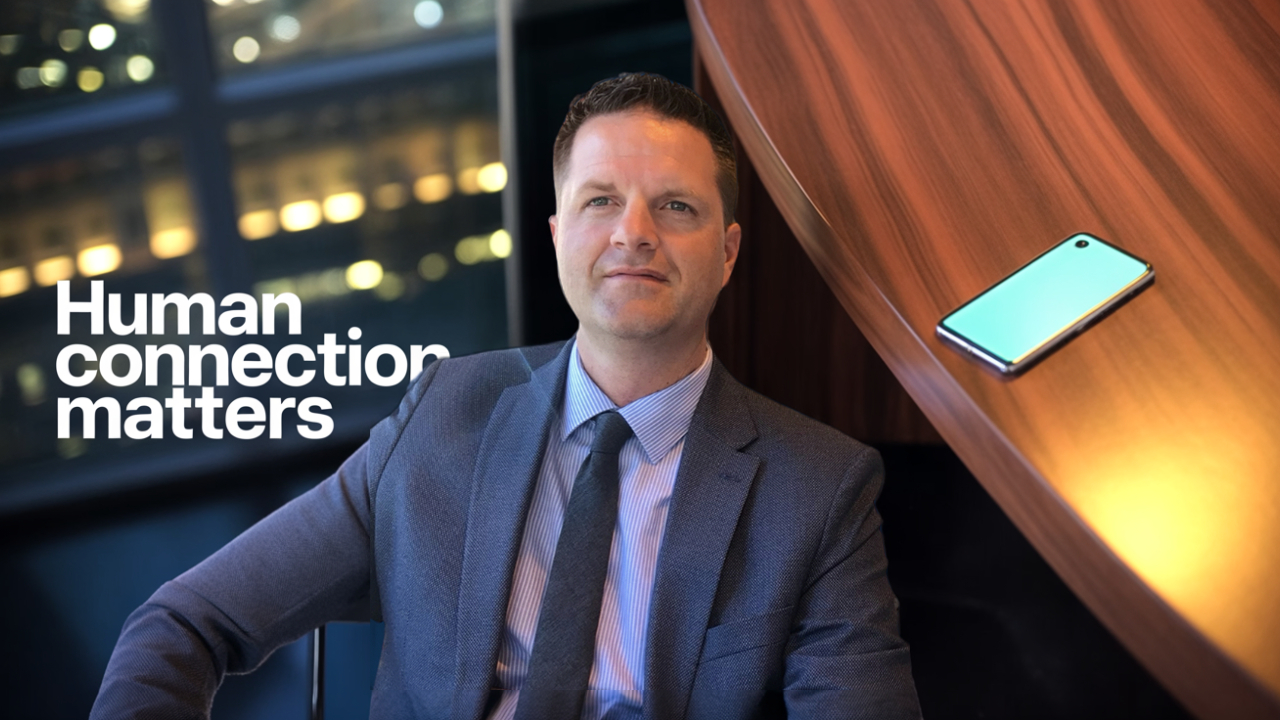
If everyone else is glued to their phone, you can stand out simply by being fully present.
– Luke Jorgenson
In an era when our brightest screens can sometimes dim authentic connection, sharpening your people skills isn’t just polite… it’s a career catalyst. Whether you’re closing a deal, coaching a team, or simply striking up a conversation in line for coffee, the ability to be fully present and genuinely curious separates leaders from spectators.
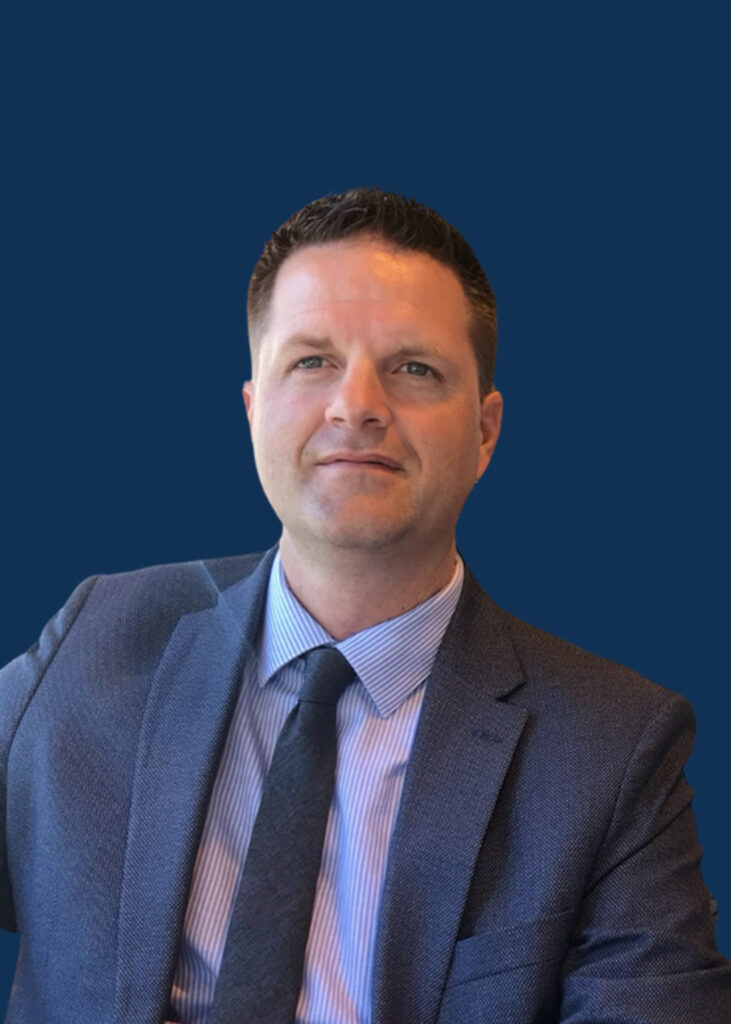
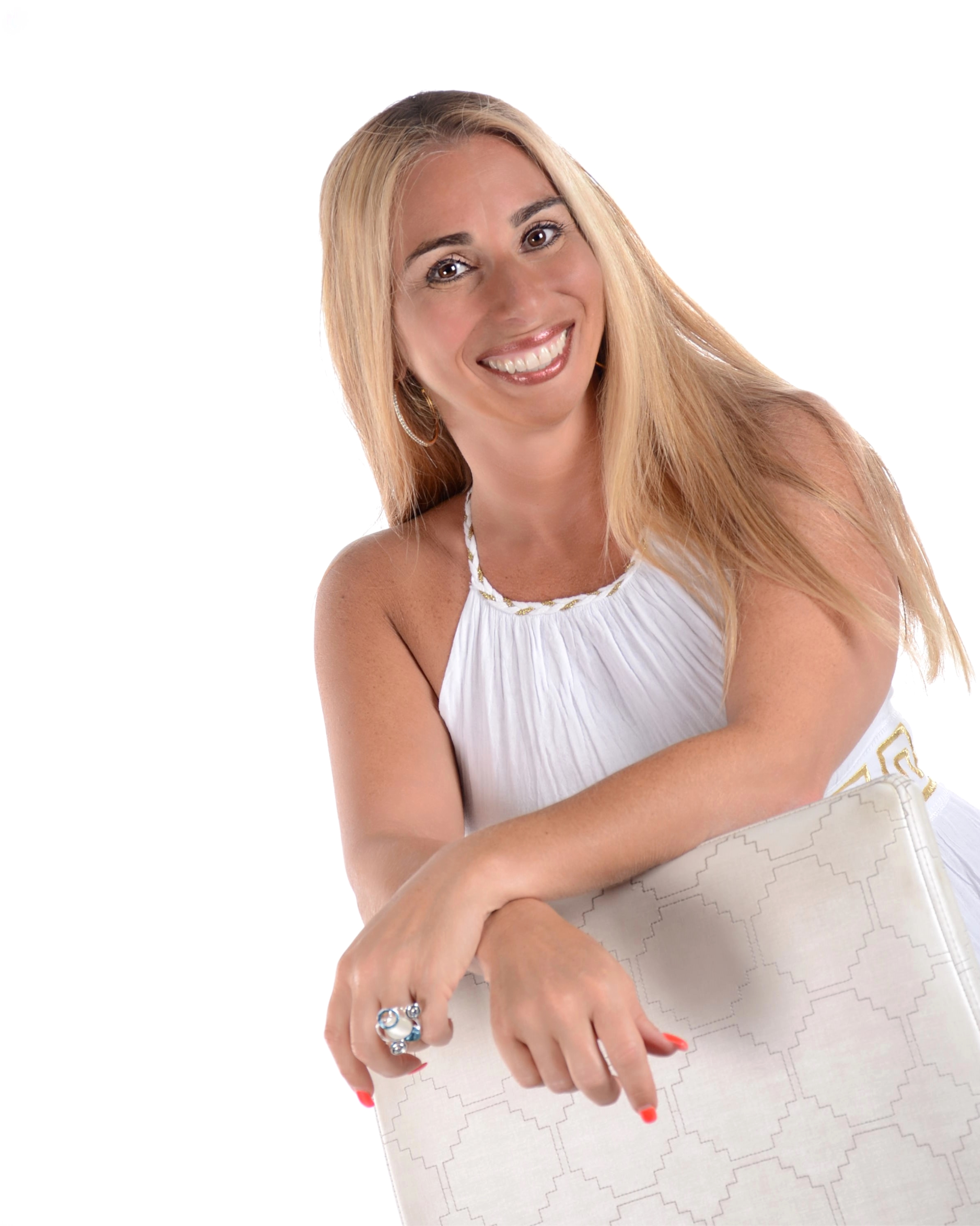
Enter Luke Jorgenson, a former history teacher who vaulted into Sunrun’s top 1 percent by closing over $132 million in door‑to‑door solar sales, then distilled the process into a coaching playbook that accelerates results for reps around the country. In this candid interview, he joins Stacey Chillemi to unpack why people skills are dwindling, how to revive them, and what daily micro‑reps can do for your confidence, your career, and your community.
Thank you so much for joining us! Our readers would love to get to know you a bit better. Can you tell us a bit about your backstory?
Absolutely, Stacey. I spent roughly a decade in the classroom teaching history and leadership; every day was an exercise in reading 30 different personalities and finding the hook that kept them engaged. When the opportunity arose to try door-to-door solar sales, I jumped in with zero formal sales training but a well-honed set of people skills. Those classroom muscles translated fast: within a few seasons, I’d closed more than $132 million in revenue and landed in the top 1 percent of Sunrun’s nationwide sales force. Now my full-time mission is to hand that playbook to other reps and leaders so they can compress years of trial-and-error into months of strategic practice.
What did we dive into during your last visit to the show?
Although this is our first conversation here, one cornerstone I always open with is the universal need for coaching. Even the most gifted athletes have someone watching tape, spotting blind spots, and pushing them to evolve… business is no different. A coach accelerates progress by giving you targeted feedback you can’t generate on your own. Once people experience that outside perspective, the personal and financial breakthroughs follow quickly.
From your vantage point, are people skills getting better or worse in society?
Sadly, they’re trending in the wrong direction. Look around any waiting room and you’ll see heads bowed to glowing screens, bypassing the spontaneous conversations that once built community. As those micro-interactions disappear, empathy, listening, and basic conversational stamina erode. The upside is that anyone willing to reverse that habit instantly differentiates themselves in the marketplace and in everyday life.
How has technology played into that decline?
Tech is an incredible productivity booster, but convenience comes at the cost of connection. When boredom strikes, our reflex is to scroll instead of exchanging a smile or a question. Over time, that rewires our comfort zone so silence with a device feels safer than dialogue with a stranger. Unless we practice intentional “phone-down” moments, the skill of authentic presence keeps shrinking.
Why do you frame the current climate as an opportunity instead of a setback?
Because scarcity drives value. When genuine people skills are rare, an individual who masters them becomes a magnet for prospects, employers, and collaborators. Clients notice when you remember names, maintain eye contact, and listen past the surface; leaders notice when you rally a team without coercion. In a marketplace where competence is assumed, connection becomes the winning edge.
What does it actually mean to have good people skills?
It starts with full-body presence—open posture, steady eye contact, and the kind of listening that proves you’re genuinely curious about the other person. Good people skills also include empathic responses: reflecting back what you’ve heard before you add your own viewpoint. Add a warm demeanor that signals “you’re safe and respected here,” and conversations flow instead of stalling. At its heart, it’s strategic generosity: you give focus first, and trust follows.
On the flip side, what are some clear markers of poor people skills?
Avoidance tops the list; hiding behind a phone, failing to greet, or giving one-word answers that keep distance intact. Chronic interruption is another red flag; it tells the listener your agenda outranks theirs. A closed physical stance—arms crossed, torso angled away—broadcasts defensiveness before words even start. Stack those habits together, and you create friction in every room you enter.
Can you give an example of how body language impacts connection?
Picture two scenarios at a checkout line. In the first, you face forward, arms folded, scrolling, and no one engages. In the second, you stand tall, shoulders relaxed, phone pocketed, and offer a quick “Hey, how’s your day going?” Nine times out of ten, the cashier or the person behind you meets that energy, and a mini-conversation unfolds. The only variable is the non-verbal invitation.
How critical are people skills in door-to-door sales?
They’re the foundation. A cold doorstep gives you about eight seconds to turn a stranger into a conversational partner. If you can’t read subtle cues—tone, posture, micro-expressions—you’ll miss the inflection point where curiosity could have replaced caution. Master that moment, and everything from discovery questions to closing becomes smoother, faster, and far more profitable.
You transitioned from teaching to solar sales. How did classroom experience translate to the porch?
Teaching demanded constant adaptation: spotting confusion before it surfaced, pivoting explanations, and motivating students with different learning styles. That same situational awareness let me customize each porch pitch on the fly. Instead of lecturing, I asked questions that revealed a homeowner’s real concerns—cost, aesthetics, reliability—and then aligned solar benefits to those needs. The method felt less like selling and more like collaborative problem-solving.
Why is authenticity such a non-negotiable in interaction?
Because humans are wired to detect incongruence. If your voice shifts into “sales-mode” or your story sounds rehearsed, walls shoot up. Authenticity keeps your delivery aligned with your values and your normal speech pattern, so trust has room to grow. Once credibility is established, resistance drops, and both parties can focus on whether the solution truly fits.
What three concrete steps do you give clients to boost their people skills?
First, cultivate awareness. Spend a week observing interactions, yours and others’, and jot down what fosters ease versus tension. Second, study proven frameworks. Books like How to Win Friends and Influence People and The 7 Habits of Highly Effective People break big concepts into bite-sized daily habits. Third, practice micro-reps. Ask the barista’s name, phone a colleague instead of sending an email, or strike up small talk in line; repetition converts theory into reflex.
Which books sit at the top of your people-skills shelf?
Dale Carnegie’s classic is still the gold standard because its principles—using names, giving sincere praise, seeking first to understand—are timeless. Stephen Covey’s 7 Habits adds a strategic layer: it teaches you how to align personal integrity with interpersonal synergy. I suggest tackling one chapter per week and deliberately applying that single lesson in every conversation until it becomes second nature. By mid-year, you’ve internalized an entire masterclass without overwhelm.
How can someone rehearse these skills in everyday, low-risk settings?
Turn mundane moments into training grounds. Request a modest discount on your coffee, not to save money but to practice rejection handling. Compliment a stranger’s backpack and notice how their expression shifts. Replace two daily texts with phone calls so you start decoding tone again. These micro-drills build emotional stamina faster than any role-play session.
Rejection comes with the sales turf. How did you learn to handle the daily “no”?
I reframed “no” as data, not a verdict. Roughly one-fifth of homeowners were never going to buy, another fifth were waiting for a rep to show up, and the middle 60 percent could be persuaded with skill and timing. Every rejection simply moved me closer to the segment that valued what I offered. That statistical lens stripped the sting and kept my energy forward‑focused.
Share a lesson from a tough knock that stuck with you.
Once, a homeowner vented their entire day’s frustration at full volume. Instead of matching it, I apologized for catching them at a bad moment and wished them well. As I walked away, their neighbor, impressed by the composure, summoned me over and became my next sale. Professionalism under pressure echoes farther than we realize.
Tell us about the community you’re launching for sales professionals.
We’re building an online hub where reps, entrepreneurs, and team leads gather for live coaching, peer practice, and accountability. The curriculum drips concepts in digestible chunks, each paired with real‑world scenarios. Members trade field stories, shortening one another’s learning curves while forging genuine camaraderie. It’s training plus tribe, updated continuously as markets evolve.
Why should folks who “aren’t in sales” still bother with these techniques?
Because influence is universal. Persuading a board to green‑light a project, guiding a team through change, and convincing friends where to eat each requires people skills. Strong interpersonal fluency smooths collaboration and speeds conflict resolution, regardless of job title. In a competitive landscape, being able to move ideas through human channels multiplies career momentum.
What final challenge would you like to leave our audience with today?
Choose one interaction in the next 24 hours and go all‑in on presence; phone away, name used, eye contact locked. Note how the other person reacts and how that energy feels inside you. Repeat daily for a month and watch conversations deepen, opportunities surface, and confidence compound. The gap between intention and transformation is always a single deliberate choice.
How can our readers further follow your work online?
Visit lukejorgenson.com and follow on Instagram @coach_lukej for coaching details, free resources, and early access to the new sales community… I’d love to see you there.
Luke, thank you for such actionable insight today.
My pleasure, Stacey. I appreciate the thoughtful conversation.