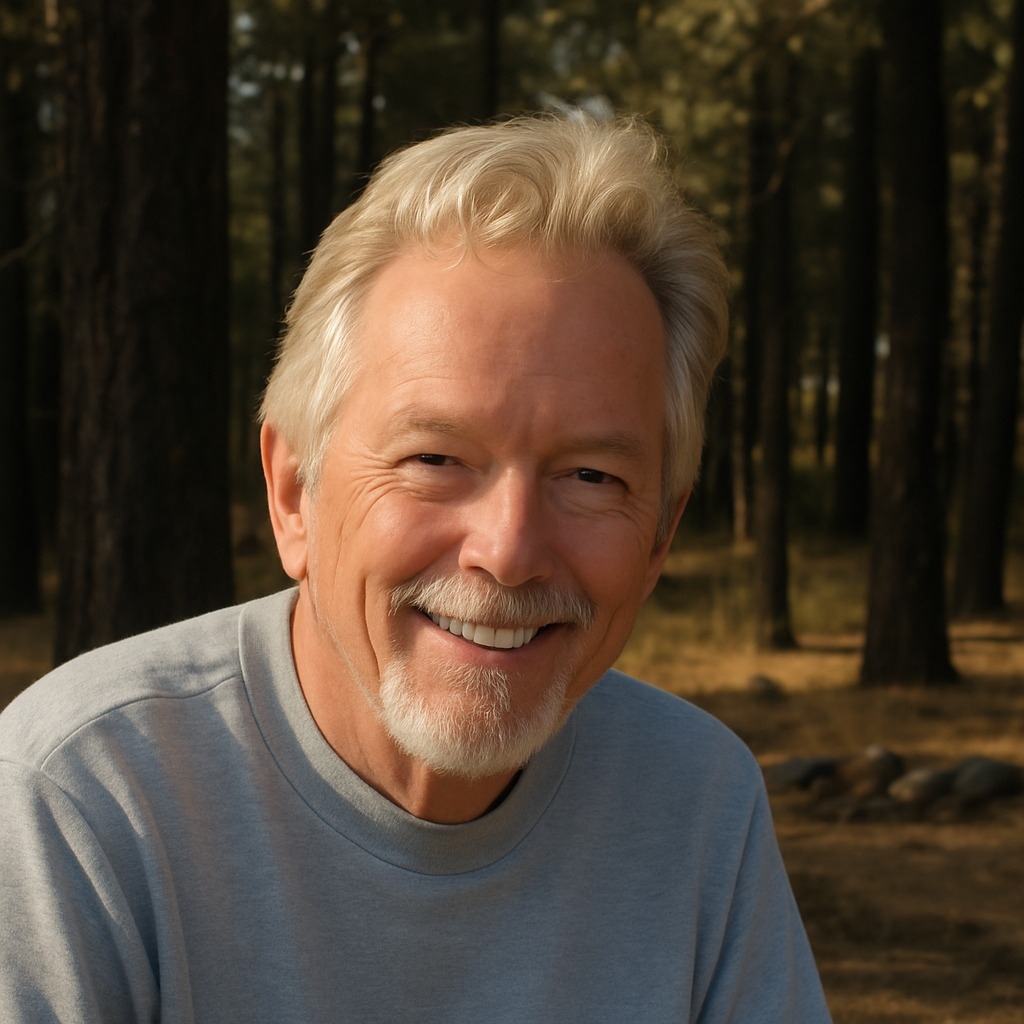

“Burnout isn’t a failure of effort — it’s a signal that our thinking has become too narrow to support our well-being.”
— Dr. André Walton
Why restoring creative thinking may be the missing link to resilience, clarity, and well-being
Burnout often affects people who are capable, disciplined, and outwardly successful. They meet deadlines, solve problems, and keep pushing forward — yet internally, they feel exhausted, anxious, and mentally stuck. According to Dr. André Walton, this experience isn’t a sign of weakness or poor stress tolerance. It’s a signal that the mind has become unbalanced in how it processes the world.
In today’s performance-driven culture, analytical thinking is rewarded almost everywhere — in education, work, and even daily decision-making. We’re encouraged to optimize, focus, and “drill down.” While these skills are useful, Dr. Walton argues that when analytical thinking dominates and creative thinking is neglected, burnout becomes far more likely.
The Thinking Imbalance at the Core of Burnout
Dr. Walton explains that humans naturally use two complementary modes of thought:
- Convergent (analytical) thinking, which narrows focus, categorizes information, and seeks efficient, proven solutions
- Divergent (creative) thinking, which expands awareness, explores alternatives, and integrates the broader picture
As adults, we become highly efficient thinkers by relying on past experience. When a new situation arises, the brain quickly searches for similar scenarios and applies an existing solution. This saves energy and time — but it also limits perspective.
Under prolonged stress, this efficiency can turn into rigidity. Attention narrows. The mind fixates on problems, risks, or perceived threats. Dr. Walton describes this as a “hamster wheel” effect, where thinking loops endlessly without generating new insight. In social psychology, this pattern is often referred to as seizing and freezing — grabbing the first available explanation or solution and mentally freezing there.
This narrowing of perspective is dangerous not just for well-being, but also for decision-making. When people cannot see alternatives, life begins to feel constrained, and burnout deepens.
Why Creativity Is Essential for Mental Health
Dr. Walton is careful to redefine creativity. It is not about artistic ability or talent. Instead, creativity is a fundamental human capacity for making sense of the world in a broad, integrative way. From early childhood, humans naturally explore, experiment, and imagine. Babies and young children approach life as an open puzzle, constantly testing how new information fits into the bigger picture.
As adults, that openness fades. While analytical thinking becomes dominant, creative thinking — which is inherently divergent — is pushed aside. Neuroscience research supports Dr. Walton’s observation that divergent thinking activates neural pathways associated with emotional regulation, cognitive flexibility, and emotional intelligence. These same pathways are essential for resilience.
When creative thinking declines, emotional balance often follows. This helps explain why burnout feels so hopeless: it isn’t only exhaustion — it’s the loss of perceived options. When the mind can’t see possibilities, even manageable challenges can feel overwhelming.
How Burnout Progresses — and Why It’s Hard to Escape Alone
Burnout rarely appears all at once. Dr. Walton describes it as a process that, once started, becomes increasingly difficult to interrupt without intention. Poor sleep often emerges early, which further reduces emotional regulation and cognitive flexibility. Social withdrawal follows, as people push away friends, family, or colleagues — often believing they must handle everything on their own.
This isolation compounds the problem. The very relationships that could provide perspective, reassurance, or practical support are the ones most likely to be neglected. Over time, life becomes narrower: work dominates, recreation disappears, and responsibilities feel heavier.
This is why burnout doesn’t resolve simply by taking a short break. Without restoring balance in how the mind engages with life, the same patterns quickly return.
The Three Pillars That Restore Balance
From both professional research and personal experience, Dr. Walton emphasizes three foundational areas that help reverse burnout and prevent recurrence.
Relationships
Human connection naturally expands perspective. Conversations, shared experiences, physical presence, and emotional attunement engage multiple senses and emotional pathways at once. Even small, consistent moments of connection can counteract the narrowing effects of stress.
Recreation
Recreation is not optional downtime; it is essential for mental flexibility. Activities such as walking, spending time in nature, playing games, or engaging in enjoyable movement help form new neural pathways and interrupt rigid thought patterns. Recreation creates space for divergent thinking to return.
Responsibilities
When responsibilities overwhelm mental bandwidth, the brain remains locked in survival mode. Delegating, sharing, or temporarily simplifying responsibilities creates the cognitive space necessary for reflection, creativity, and emotional recovery.
Together, these three pillars not only support recovery from burnout, but also build resilience against its return.
Everyday Ways to Reignite Creative Thinking
Dr. Walton emphasizes that restoring creative thinking does not require dramatic changes. Small shifts in daily life can gently widen perspective and reduce mental rigidity:
- Taking different routes during daily routines to introduce novelty
- Spending time in nature and consciously widening visual awareness
- Pausing during decisions to ask, “What options might I be missing?”
- Engaging the senses — sight, sound, smell, touch — instead of staying trapped in thought
- Reintroducing simple activities that once brought enjoyment
Even something as subtle as looking up while walking, rather than staring at the ground or a screen, can expand awareness and positively influence mood.
Burnout as a Signal, Not a Failure
One of Dr. Walton’s most important reframes is that burnout is not a character flaw or a lack of discipline. Stress arises when perceived demands exceed perceived resources. While external pressures matter, burnout is also shaped by how challenges are interpreted and managed internally.
Taking responsibility for recovery is not about blame — it’s about agency. Rebalancing how we think, connect, and live is something only the individual can initiate, even when others provide support.
A Wider View Changes Everything
When creative thinking is restored alongside analytical thinking, options reappear. Decision-making improves. Emotional intelligence strengthens. Life regains a sense of possibility and movement.
Burnout doesn’t resolve by pushing harder or simply stepping away for a few days. It eases when perspective widens again — when the mind is allowed to see beyond immediate pressures and reconnect with the full landscape of life.
Actionable Reflection
This week, choose one small habit that helps you step back rather than drill down — a daily walk, a meaningful conversation, a moment of awe, or a playful change in routine. That single shift may be the first step toward restoring balance, resilience, and well-being.