

During my decade-long career as a Learning and Development professional, my work timings were a productive eight a.m. to five p.m. schedule which created for me a routine, personal discipline, and a semblance of balance in my life.
It’s pretty easy to get stuck into the web of being busy yet remain unproductive. Nothing good can come from it except burnout, stress, and dissatisfaction.

Here are some boundaries that I set for myself, and the others I worked with, to have control over the quality of my work life –
Identify your sacred space

My work days would begin at seven a.m when I would board a cab or bus for my hour-long commute. During that time, and because of the bumpy ride, I would often listen to music on the radio, chat up a friend in the cab, or make a phone call or send a text message to a friend whom I hadn’t kept in touch with. When I was not in the mood for any of these activities, I would spend time staring outside the window, just enjoying those moments of solitude. This was my sacred space, where I could decide how the day would pan out. It would ready me, get my grey matter, make me smile rather than frown, and give me a sense of contentedness.
Always work on a full stomach

The first thing I’d do once seated at my desk would be to allow all the emails to flood my inbox. I’d take a cursory glance at them, highlighting and tagging the ones which were urgent or important that needed my attention, and deleting the ones which shouldn’t have been there in the first place. I’d leave the urgent or important ones to be responded to only after I’d had my morning breakfast and my first cup of coffee. This simple decision or boundary to desist from immediately responding to those urgent or important emails allowed me
- To socialize with my colleagues over breakfast and coffee in a non-threatening environment,
- To work and respond without being hangry, and
- I was adequately caffeinated to deal with the day’s work demands.
Once back from my morning socialization activity, I’d begin the perceived arduous task of responding to emails, which would subsequently be followed by the ping-pong activity of responses between senders and recipients. Since I was in a positive state of mind, the activity was performed without letting any sugar deprived reactions or personal biases affect them.
Get hydrated

I would always keep a one-liter bottle of water at my desk and drink from it. This would necessitate two things- the need to empty my bladder and to refill the bottle, which would force me to leave my desk. By leaving my desk at timed intervals, I ensured I didn’t spend too many hours seated at my desk and that I remained hydrated.
Grab early lunch breaks

When it came to taking my lunch break, I would always eat at half past noon. This worked well for me because the cafeteria would mostly be empty, and the sound of milling employees would be minimal. I could find a table easily, eat my meal in peace, and enjoy conversations with a colleague. By taking an early lunch break, I could work at my desk without any interruptions while everyone ate.
Satisfy social media cravings

I’d also use this time to sneak in some social media stimulation from Facebook and Instagram, thereby satiating my daily consumption at work. I wouldn’t feel guilty about it because I knew that I had earned it and that nobody demanded my attention because they were all mostly at lunch.
Schedule meetings wisely

When it came to setting up meetings for productive conversations, I would never schedule or accept meetings scheduled between 9 and 10 a.m. or 2 and 3 p.m. During my career, I realized that for a lot of people, unlike myself, the 9 a.m. to 10 a.m. slot was when they got into work and prepared their schedules for the day. By scheduling during that time slot, I often found myself in unproductive meetings, cancellations, and reschedules. The 2 p.m. and 3 p.m. slot were mostly after lunch and we all know how unproductive one feels after a pretty good meal.
By choosing meeting slots, apart from the aforementioned, I was able to ensure that my recipients and I were in a positive frame of mind to be productive and interested in our meetings.
Work during your productivity peaks

Another personal productivity hack I discovered was to work during the hours I felt most energetic- namely between the hours of 8 and 12 noon. I would block my work calendar so that no meetings were scheduled and I would turn off the employee chat application on my computer to avoid any interruptions.
To avoid further distractions, I’d turn off the WiFi on my phone, and listen to music on my headphones while I brainstormed or worked. By creating and working within an environment that appealed to my personal style, I was able to produce some of my better projects with minor errors or edits.
Say No
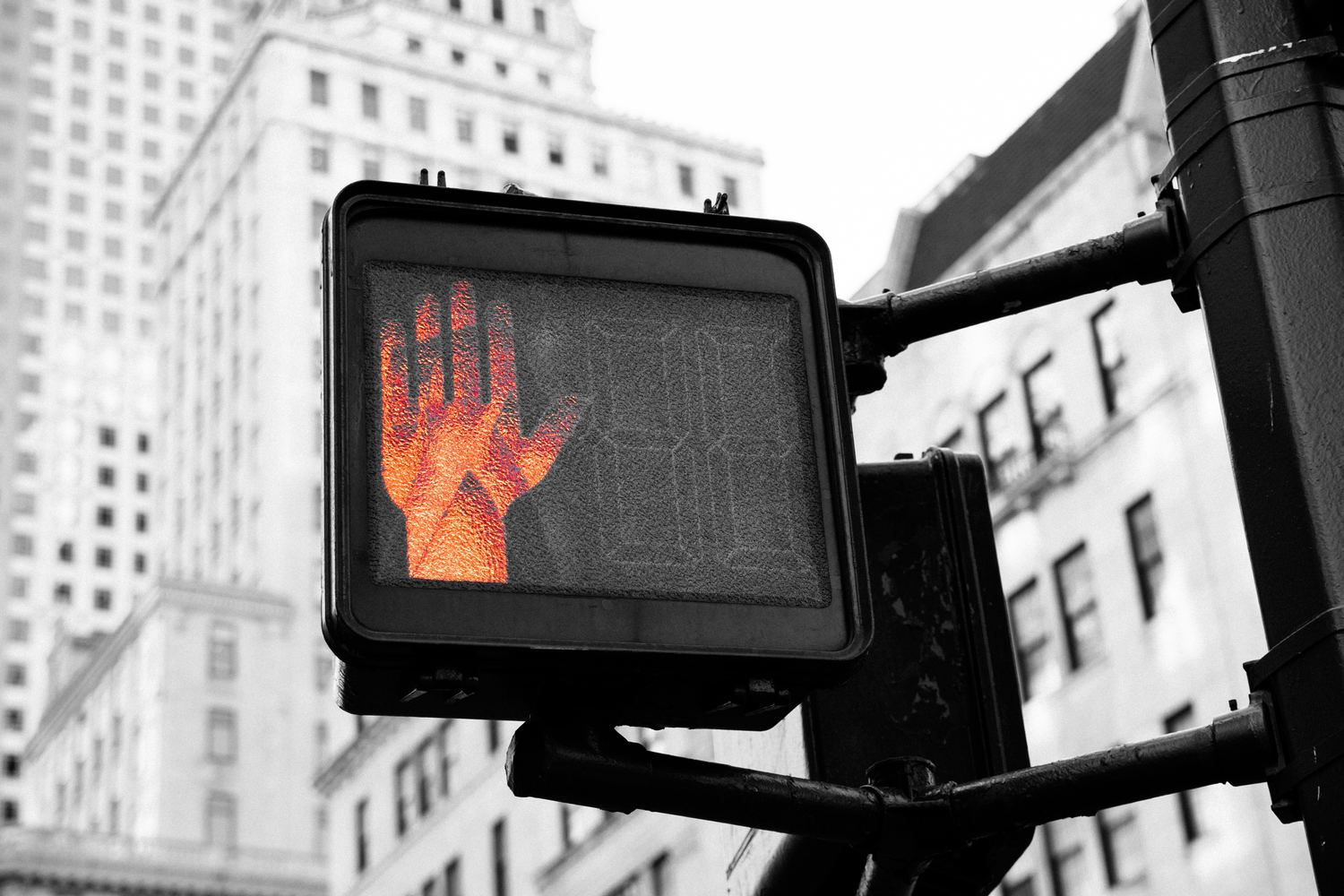
The organizations that I worked for had implemented the Follow-the-sun model, which meant attending or scheduling meetings at times that were during my breakfast or dinner time and sometimes on my Friday nights. I avoided ever accepting meetings on Fridays nights, unless absolutely necessary, by assertively communicating my non-preference and non-availability. This seemingly simple tactic garnered a lot of respect from my overseas colleagues and gave me control over my plans to unwind on a Friday night.
As I’d mentioned earlier, it’s pretty easy to get stuck into the web of being busy yet remain unproductive.
I hope these simple tips will give you better outcomes, a renewed sense of well-being, and control in your lives.