

I’ve been interviewing healthcare executives and leaders on how decision-making, resilience, and organizational alignment shape performance across complex healthcare systems.
A pattern that keeps emerging across these interviews is that healthcare organizations struggle when confusion outpaces clarity. And it is clarity, not innovation alone, that ultimately drives trust.
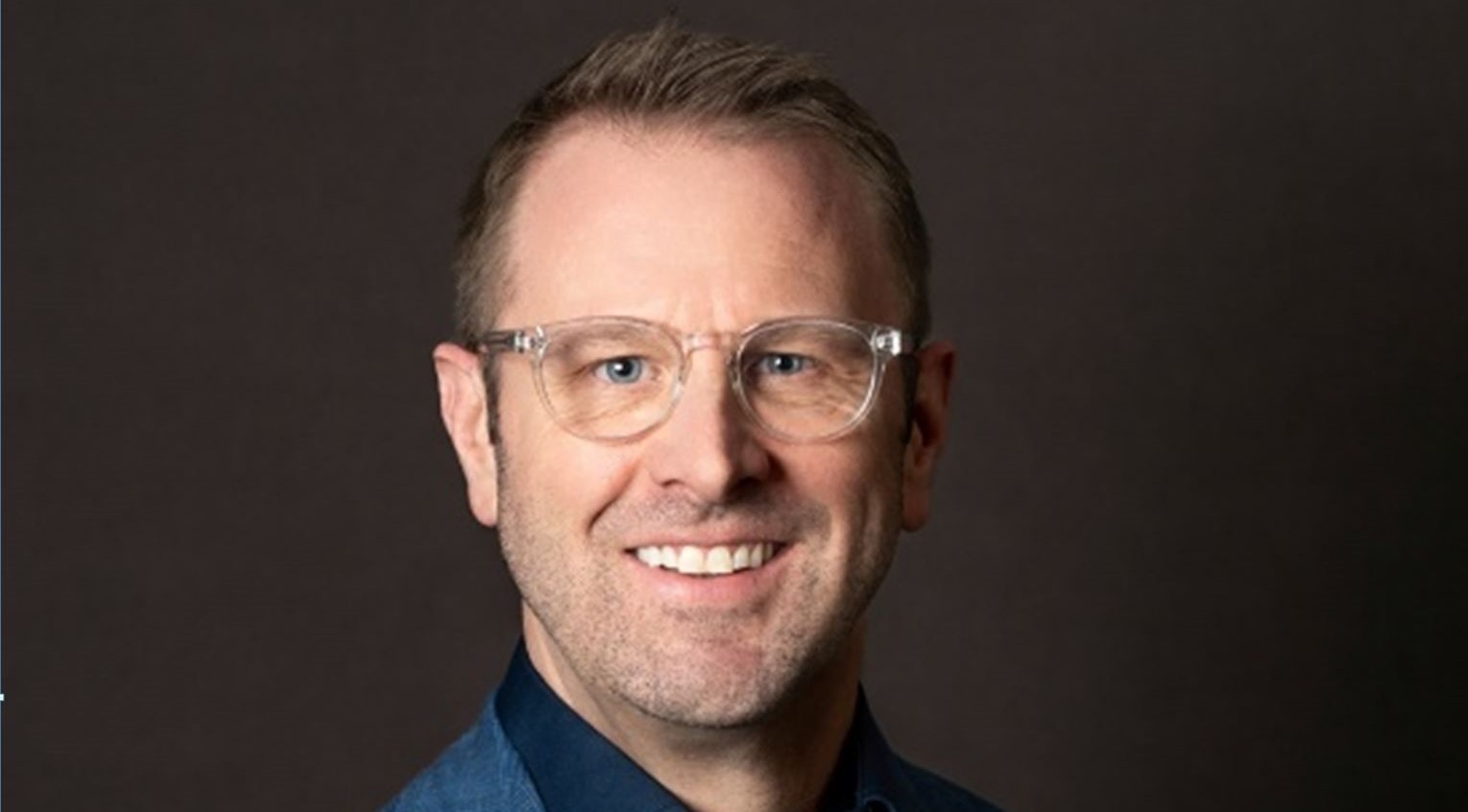
Below are selected insights from my conversation with Matthew Blosl, Chief Executive Officer and board member of DexCare, a digital platform focused on orchestrating patient demand and care access.
On leading through unprecedented healthcare change
“The amount and pace of change in the healthcare industry is like we’ve never seen before.”
Matthew describes a healthcare environment shaped by economic pressure, evolving technology, artificial intelligence, workforce challenges, and the ongoing need to improve access and patient experience.
For leaders, the challenge is not simply responding to change. It is creating enough organizational clarity that teams can move through change without losing alignment.
Healthcare executives, he notes, are balancing multiple forces at once: maintaining operational performance today while preparing their organizations for what comes next.
On leadership teams as the foundation for resilience
“When you build a leadership team like that, and let me tell you, it’s not easy, but it’s incredibly powerful.”
Matthew believes resilience begins with building a leadership team where accountability is shared rather than concentrated.
He compares a leadership team to an engine, where every component has to function together. When teams are aligned around a common vision, strategy, and measurement system, individuals are less likely to feel that the weight of the organization rests solely on them.
For leaders navigating sustained pressure, the goal is not to eliminate challenges. It is to build systems where people can handle those challenges together.
On why focus is the hardest leadership discipline
“My job and the leadership team have to spend more time figuring out what not to do versus what to do.”
In a healthcare environment filled with competing priorities and emerging technologies, Matthew believes focus has become one of the most important executive responsibilities.
The temptation is to chase every opportunity, especially with technologies like artificial intelligence creating new possibilities. But effective leadership requires discipline around where an organization can create the greatest impact.
For Matthew, strategy is not just deciding what an organization will pursue. It is having the courage to identify what it will intentionally leave behind.
On AI and solving problems before chasing technology
“We don’t want to do AI for AI’s sake.”
Matthew views artificial intelligence as a powerful tool, but not the starting point of strategy.
The question leaders should ask is not how they can implement AI. The question is which problems they need to solve and where technology can meaningfully improve outcomes.
As healthcare organizations explore AI adoption, he believes the focus must remain on operational challenges, patient experience, and measurable value rather than technology adoption alone.
The organizations that succeed will be those that connect innovation to purpose.
On creating cultures where innovation can happen
“If you’re going to innovate, you’re going to fail way more than you’re going to succeed. That’s the whole point.”
Matthew emphasizes that innovation requires psychological safety and controlled experimentation.
At DexCare, he encourages teams to test ideas, learn quickly, and use data to guide decisions. Failure, when structured and intentional, becomes part of the learning process rather than something to avoid.
For healthcare organizations navigating transformation, innovation depends on creating environments where people feel empowered to challenge assumptions and explore better approaches.
On expanding the definition of healthcare leadership
“I don’t think there needs to be this exclusive focus on if you’re working in healthcare or working in healthcare tech, you had to have been born there.”
Matthew believes healthcare organizations can benefit from perspectives beyond traditional industry boundaries.
While certain roles require deep healthcare expertise, he argues that experiences from other industries can provide valuable insights into areas such as consumer experience, technology adoption, and organizational growth.
The next generation of healthcare leaders may be defined not only by their healthcare knowledge, but by their ability to connect ideas across disciplines.
What stood out most from my conversation with Matthew Blosl was how much leadership today is about creating focus in an environment where healthcare executives are being pulled in more directions than ever. New technologies, shifting expectations, and operational pressures are creating more decisions to make, often with less certainty. The leaders who will be best positioned for what comes next are those who can keep their teams aligned, stay focused on the priorities, and create environments where people can innovate while remaining accountable. In a healthcare landscape defined by constant change, clarity becomes one of the most important leadership capabilities.
Originally published as part of my Healthcare Leadership Operating System interview series.