

I’ve been interviewing healthcare CEOs and CMOs on how decision-making, performance measurement, and clinical leadership are evolving inside complex healthcare systems.
One pattern keeps coming up in these conversations: most healthcare performance systems are designed at the organizational level, while the actual decisions that determine outcomes happen in real time at the level of individual clinicians.
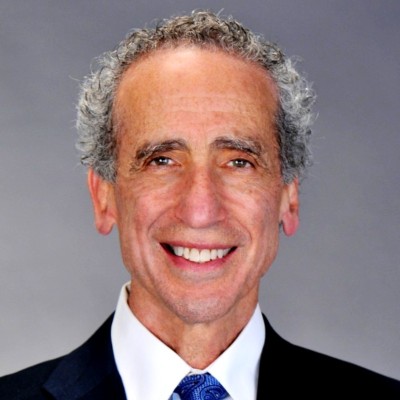
Below are selected insights from my conversation with Dr. Rich Klasco, Chief Medical Officer at Motive Medical Intelligence.
On where real clinical performance lives
“Care decisions don’t happen at those levels, they happen in real time, by individual physicians and advanced practice providers.”
That is where variation shows up and where outcomes are ultimately determined.
On clinical measurement and system variation
“Most quality and performance programs evaluate data at the hospital, system or population level. But care decisions happen at the level of individual clinicians. If we want real improvement, we need to measure performance at that level and translate it into actionable feedback.”
This matters because variation in clinical decision-making is one of the largest drivers of waste in U.S. healthcare, estimated at $760 billion to $935 billion annually. Even modest improvements in adherence to evidence-based care can have a significant impact on both outcomes and cost.
On AI in healthcare
“AI is beginning to play a meaningful role in both clinical decision support and patient engagement.”
The real value will come when AI demonstrably improves clinical outcomes and reduces variation in care.
On system-wide improvement
“If we’re serious about improving outcomes and reducing unnecessary cost, we have to be more precise about where variation is happening and why.”
What stood out most in this conversation with Dr. Rich Klasco is how much healthcare transformation depends on precision at the point of care. Not broad initiatives or abstract system-level metrics. But the quality of individual decisions made in real time under pressure. That is where outcomes are determined, and where leadership either sharpens or slowly starts to drift.