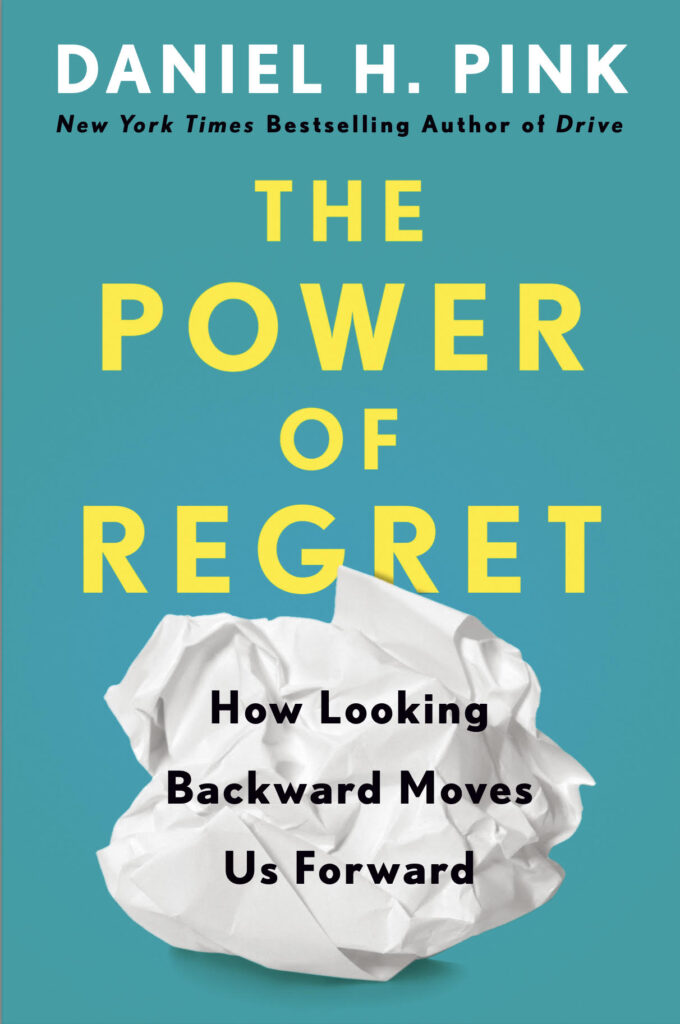
What if the emotions we try to avoid are actually signposts pointing us toward a better future?
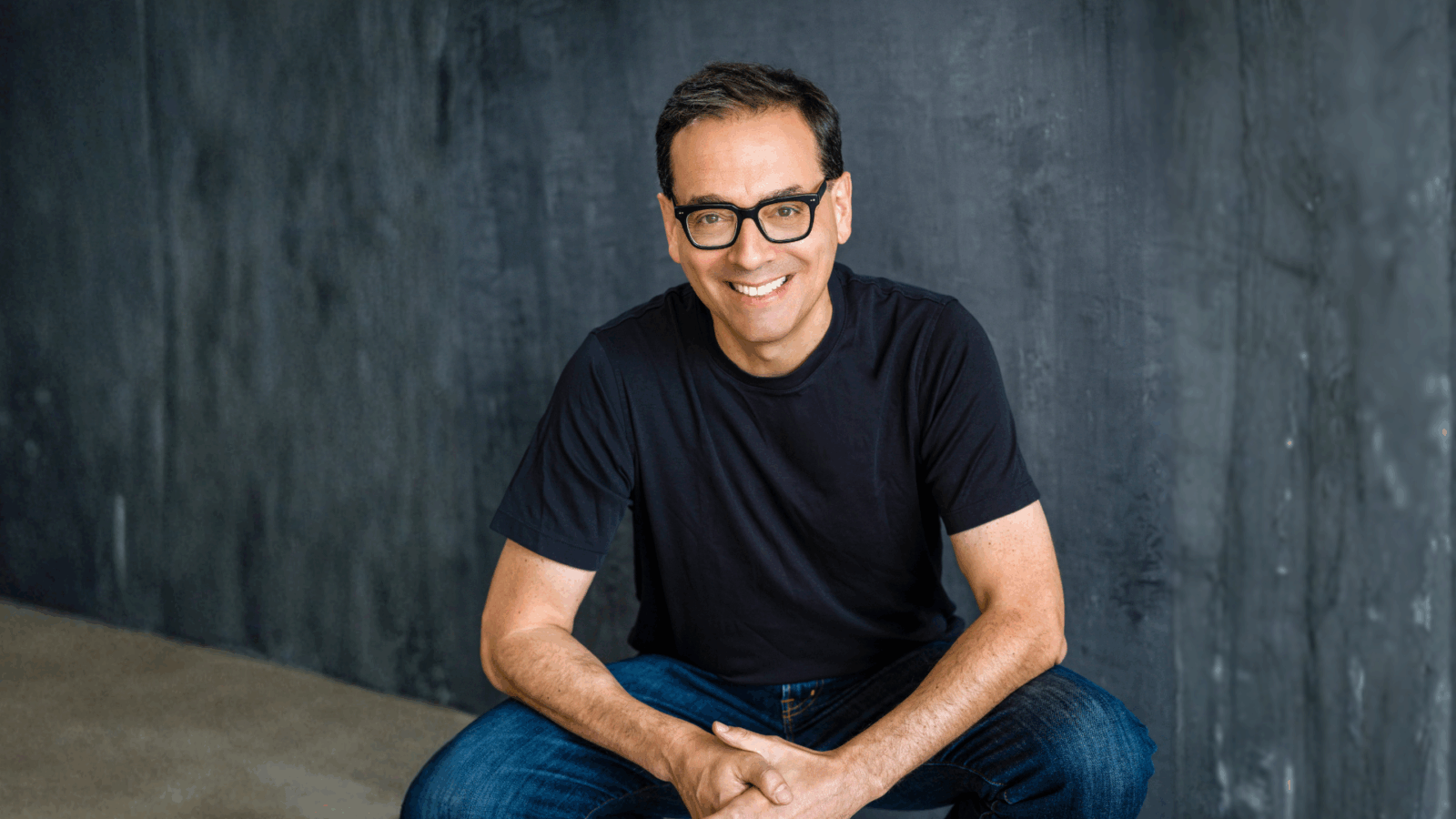
Daniel Pink is the bestselling author of seven books, including Drive, When, and The Power of Regret. His work has been translated into 46 languages and has sold more than five million copies worldwide. His TED Talk on motivation remains one of the most viewed of all time.
When I sat down with Dan, we explored the emotion at the heart of his book The Power of Regret. What emerged was a deeply human conversation about why regret shows up for all of us, how counterfactual thinking works, and how looking backward can help us do better moving forward.
For the full interview, listen to our Evolving with Gratitude podcast episode. Also available on your favorite podcast platform.
The Unpleasant Truth About Doing Better
Pink doesn’t shy away from discomfort. Instead, he challenges the cultural message that tells us to stay positive at all costs.
“I don’t think there’s anybody who would say that regret is not an unpleasant emotion,” Pink told me. “My argument isn’t that regret is somehow pleasant. My argument is that that unpleasantness is a signal.”
That signal has been drowned out by decades of advice telling us to always look forward, never look back, and maintain positivity at all times. “That is wrong, that is unscientific,” Pink said. “What I want to do is rescue some of our negative emotions and say let’s use these negative emotions, including our most prominent negative emotion of regret as a signal, as a way to do better in the future.”
Let’s use these negative emotions, including our most prominent negative emotion of regret as a signal, as a way to do better in the future.
—Dan Pink
The key is in how we think about what could have been. Using a mental process called counterfactual thinking, we imagine how life might have unfolded differently, which helps us notice what mattered and learn from the paths we didn’t take. Pink breaks this into two types: downward counterfactuals (the “at leasts”) and upward counterfactuals (the “if onlys”).
At Leasts vs. If Onlys
Downward counterfactuals help us feel better by imagining how things could have been worse. Pink is clear: “Feeling better is a good thing.”
But upward counterfactuals are where real growth happens. “Downward Counterfactuals make you feel better. Upward Counterfactuals make us feel worse, but they can help us do better if we treat it right.”
The challenge? “It’s a package deal,” he said. We want the doing better part without the unpleasant part. “What we should be doing is thinking about our negative emotions, in particular, our emotions of regret. We should be thinking about it, using it as a signal, using it as data, using it as information.”
This doesn’t mean ruminating on our mistakes. “Wallowing in your regrets, stewing in your regret. That’s really bad too.” The sweet spot is using “at leasts” when it’s time to lean into gratitude and “if onlys” when we want to reflect and grow.
The Four Core Regrets
To understand what our regrets reveal, Pink conducted the World Regret Survey, collecting 26,000 regrets from people in 134 countries. After reading through about 16,000 of them himself, he discovered that human regrets fall into four remarkably consistent categories:
Foundation regrets: “If only I’d done the work.” Small, bad decisions early in life that accumulate into larger consequences.
Boldness regrets: “If only I’d taken the chance.” This was the most striking finding. “To my surprise… overwhelmingly people regret not taking the chance more than taking a chance and having it go south on them. And it’s not even close.”
Moral regrets: “If only I’d done the right thing.” Most people regret taking the low road. “Most people are good and most people want to be good, and most people feel terrible when they’re not good.”
Connection regrets: “If only I’d reached out.” These are about relationships that drift apart, often quietly. “A lot of our relationships come apart, not in this explosive, dramatic way where people are throwing plates at each other, but they just kind of drift apart.”
From Regret to Action
The research points to one overwhelmingly clear conclusion: “Over time, you’ll regret what you didn’t do way more than what you did do,” Pink emphasized. “We can make sense of our mistakes and our screw ups and our blunders… If we hurt somebody, we can make amends. Regrets of action are shorter lived. Regrets of inaction stick with us and bug us and stick with us and bug us forever.”
Over time, you’ll regret what you didn’t do way more than what you did do.
—Dan Pink
His advice? “If you are on this point where you say, should I do something or should I not do something? And you’re concerned. I really think there’s an argument just for doing something… for taking action.”
Do Your Future Self a Favor
Pink’s work gives us permission to be fully human. To feel negative emotions without fearing them. To notice the signals regret sends. To use discomfort as data instead of something to avoid.
And if there is one message he would shout from the rooftops, it is this:
“Do the you of your future a favor and just take the shot.”
So here is the question for all of us:
What is one bold step that would make your future self grateful?
In Bold Gratitude,
Lainie
Connect with and learn from Dan Pink:
Website: DanPink.com
Books: The Power of Regret: How Looking Backward Moves Us Forward, When: The Scientific Secrets of Perfect Timing, Drive: The Surprising Truth About What Motivates Us, and more
YouTube: Daniel Pink TV
Instagram: @DanielPink
LinkedIn: @DanielPink
TED Talk: The Puzzle of Motivation
Newsletter: The Pink Report (Substack)