What if the way we lead the young people around us is the very thing holding them back?
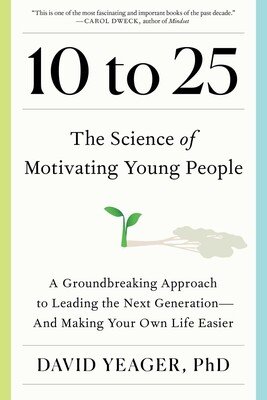
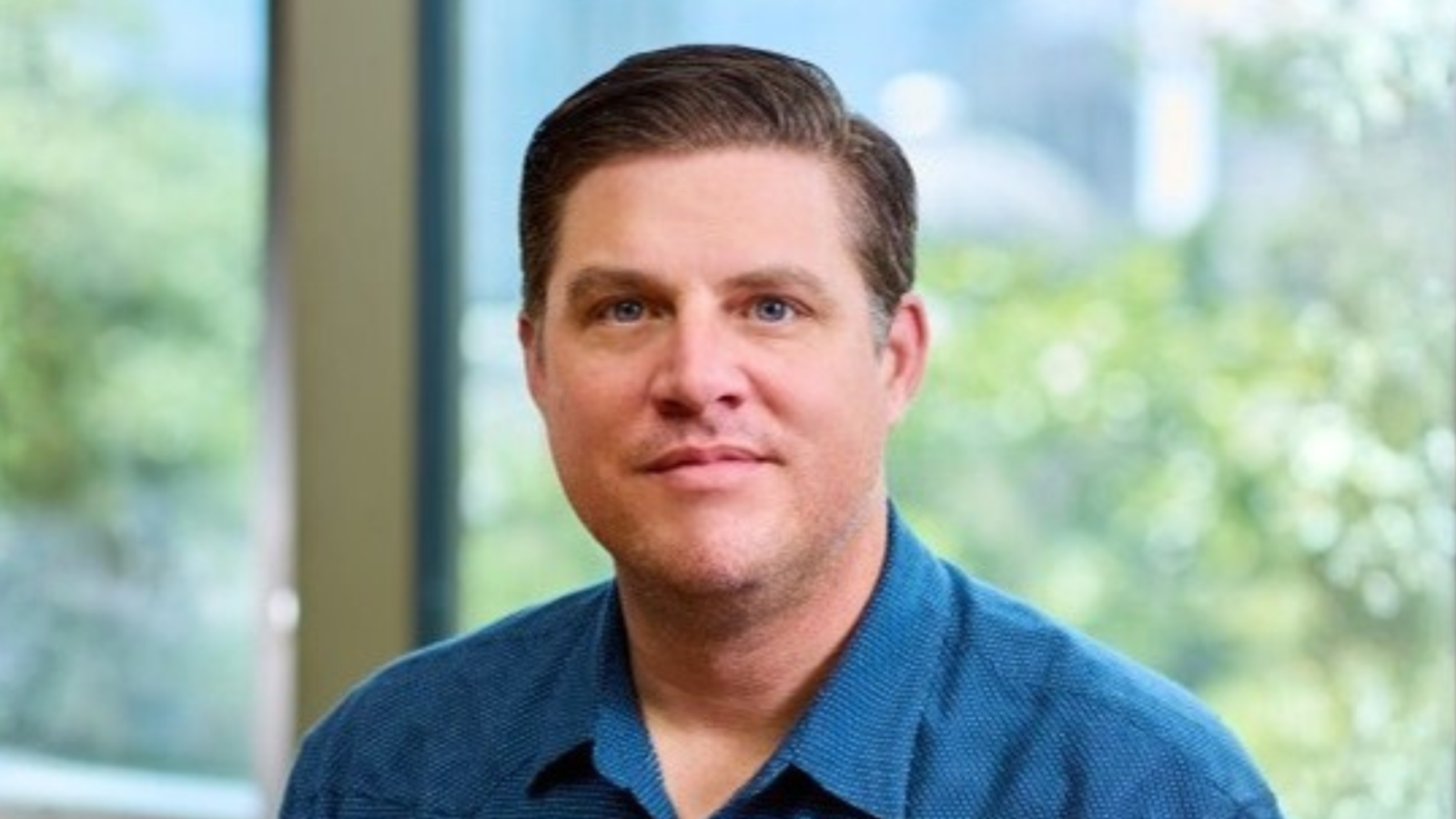
Dr. David Yeager is a professor of psychology at the University of Texas at Austin and the author of 10 to 25: The Science of Motivating Young People. His research has shaped how we understand motivation, feedback, and what it actually takes to help people grow.
While his work is rooted in adolescent development, its implications reach far beyond the classroom — into every workplace, team, and relationship where one person is trying to bring out the best in another.
For the full interview, listen to our Evolving with Gratitude podcast episode here. Also available on your favorite podcast platform.
What Is the Mentor Mindset?
At the heart of David’s work is an idea that sounds obvious, but eludes many.
“The mentor mindset is the label I use, and it’s very simply the idea that you have very high standards, but very high support.”
Most leaders believe they already do this. But David’s research reveals a gap between intention and practice. The problem, he argues, is what he calls the neurobiological incompetence model — the belief, often unspoken, that the young people we lead are not truly capable. When we hold that belief, even unconsciously, we drift toward two dysfunctional extremes.
The enforcer says: shape up or ship out. The protector swoops in, removes the challenge, and does the hard work for them. Neither actually helps anyone grow.
The mentor mindset is the third way. It holds people to a genuinely high standard while providing the kind of support that makes meeting that standard possible.
What High Support Actually Looks Like
Just saying, I believe in you, but doing nothing to help you overcome a challenge is not helpful.
—David Yeager
This is where David’s research gets practical — and where most leaders get it wrong.
“A lot of people get that wrong. They think support is just the moral support part, and then what they’re really doing is failing to take any responsibility.”
At Microsoft, David studied a manager named Steph Akimoto, whose team consistently produced high performers with remarkable promotional velocity. Her approach was instructive. She would tell each person on her team that their regular job would be too easy — and then help them identify a stretch project that would make them stand out. When they inevitably ran into bureaucratic walls, she ran interference. She would go to other managers, build coalitions, remove the procedural obstacles that had nothing to do with the actual work.
“She won’t do the thing for the 23-year-old, but it’s like blocking and tackling, like removing barriers.”
The distinction David draws is important. High support is not doing the hard work for someone. It is clearing the path so they can do the hard work themselves.
He sees the same philosophy at work in the fast food industry, where he has been piloting a mentor mindset coaching tool with managers across 30 stores. Turnover in that industry runs at 150% per year. When managers default to the enforcer mode — telling, yelling, assuming the worst — employees leave. When they approach a situation with curiosity instead, asking what someone has already tried before offering advice, something shifts.
“Adults never do that. Adults are like, okay, I see the problem. Here’s what you need to do.”
Asking first is not just good manners. It signals respect. And respect, David argues, is what actually motivates people.
From Results Culture to Development Culture
We are so quick to sort and rank. We should be developing.
—David Yeager
David shares this important message:
“We’re very much a results-focused culture and I think we need to be a development-focused culture a lot more.”
In a results culture, leaders sort and rank. They hire for the talent they need right now and discard anyone who falls short. It feels efficient. It is not.
“If you don’t develop people, then your best people leave and go to competitors where they can learn new skills and then you pay a lot of money to retain mediocre people.”
Development, by contrast, compounds. The best university departments, David points out, did not simply buy established stars. They hired talented people early and built them into stars over time. The same is true of the best managers, coaches, and leaders across every field.
That requires a tolerance for the messiness of growth. When we ask people to do hard things that stretch beyond their current abilities, they will sometimes fail. The mentor mindset does not treat that as a reason to lower the standard or take over. It treats it as the work.
“The question is, what are you doing to help people learn from those screw ups or avoid them more in the future?”
One question worth sitting with: Are we leading the people around us toward results, or toward growth? Because in the long run, those are not the same thing.
In Bold Gratitude,
Lainie
Connect with and learn from David Yeager:
Book: 10 to 25: The Science of Motivating Young People
MasterClass: The Power of Mindset
Program: FUSE (Fellowship Using the Science of Engagement) — available through the University of Texas