

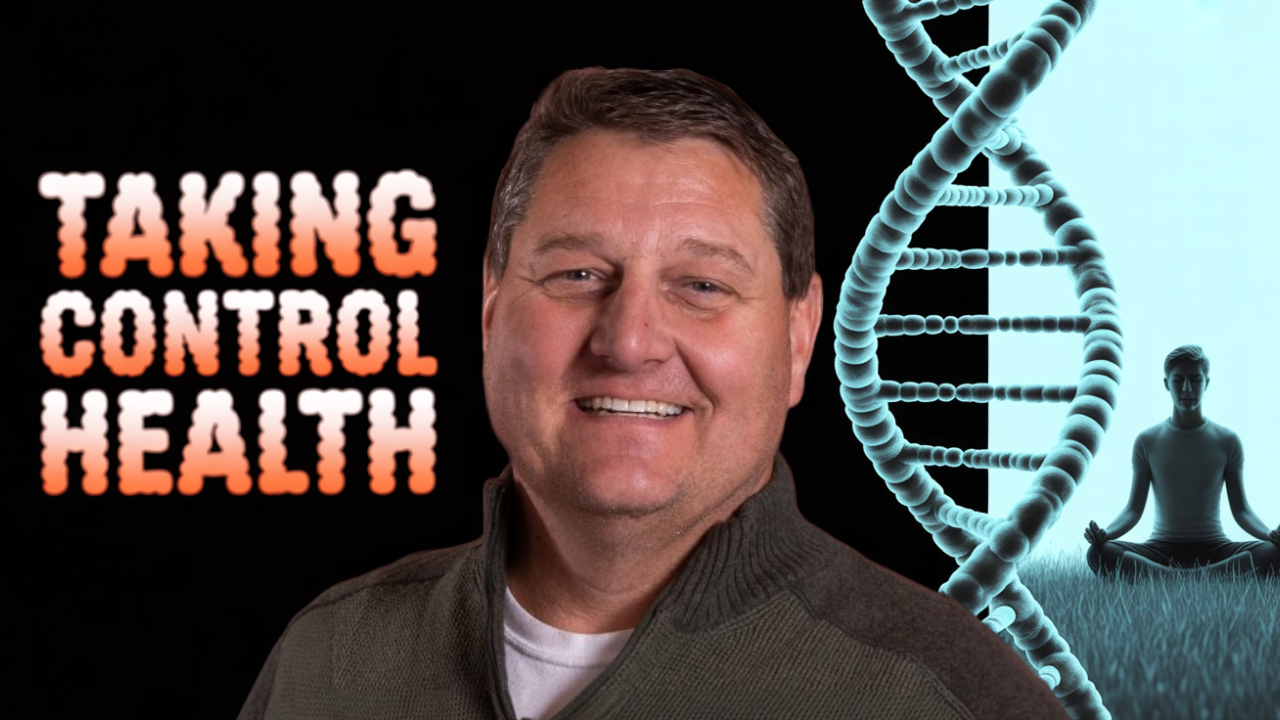
“The body has a remarkable capacity to function well when it’s supported by consistent, healthy conditions.”
— Dr. Joe Nieusma
Modern life exposes people to a steady stream of low-level stressors—air pollution, chemical residues, processed foods, chronic dehydration, and ongoing psychological strain. While none of these factors alone may feel urgent, their cumulative effect can quietly influence energy levels, inflammation, and overall well-being over time.
According to Joe Nieusma, a toxicologist with decades of experience in pharmaceutical safety and human health, the goal isn’t to eliminate every exposure, but to reduce the overall burden the body carries each day.
His work focuses on helping people understand how small, practical changes—rather than extreme interventions—can support the body’s natural regulatory systems as we age.
A Career Rooted in Safety and Prevention
Nieusma spent much of his career working in environments where understanding chemical exposure, dosage, and biological impact was essential to protecting both patients and employees. Over time, that lens shaped a broader perspective on health—one that places prevention, awareness, and daily inputs at the center of long-term well-being.
Rather than viewing health through a crisis-response model, he emphasizes reducing unnecessary strain on the body before problems become chronic.
The Reality of Cumulative Exposure
From a toxicology standpoint, modern exposure is rarely about a single harmful substance. It’s about accumulation. Air, water, food packaging, household products, and lifestyle habits all contribute to what Nieusma describes as a “background load” the body must constantly manage.
The practical takeaway is not fear, but strategy. Reducing even a handful of recurring stressors can free up physiological resources, allowing the body to function more efficiently.
Why Hydration Plays an Outsized Role
One of the most underestimated factors in daily health, Nieusma notes, is hydration. Water is the body’s most consistent input, yet many people consume less than they need—or rely on beverages that don’t adequately support hydration.
Proper hydration supports circulation, digestion, joint comfort, cognitive clarity, and temperature regulation. Even modest improvements can have noticeable effects on energy and focus, particularly when paired with reduced intake of sugar-sweetened or highly caffeinated drinks.
Moderation Over Extremes
A foundational principle in toxicology is that dose matters. Almost any substance can be harmful at high enough levels, while many potentially concerning exposures are manageable at low doses.
Applied to daily life, this principle encourages moderation rather than elimination—balanced nutrition, reasonable activity, sufficient rest, and attention to cumulative habits rather than perfection.
Oxidative Stress and Aging
As the body ages, oxidative stress plays a growing role in inflammation and cellular wear. This process is natural, but it can be influenced by lifestyle factors such as sleep, nutrition, movement, and stress management.
Nieusma often emphasizes supporting the body’s internal balance through foundational habits first, viewing supplements or advanced interventions as secondary tools rather than primary solutions.
Healthspan, Not Just Lifespan
Longevity conversations often focus on years lived, but healthspan—the quality of those years—is equally important. Mobility, mental clarity, and resilience shape whether added time feels empowering or limiting.
From this perspective, consistent habits matter more than dramatic changes. Small improvements, repeated daily, can meaningfully affect how people feel and function over time.
A Practical Framework for Daily Health
Rather than prescribing rigid protocols, Nieusma points to four core behaviors that consistently support long-term well-being:
- Eating mostly whole, minimally processed foods
- Staying adequately hydrated
- Moving the body regularly
- Prioritizing rest and recovery
These fundamentals require no specialized tools and form the base upon which more personalized strategies can be considered if needed.
Rethinking Chronic Health Challenges
Many chronic conditions, Nieusma observes, are addressed late—after years of accumulated strain. Shifting the focus earlier, toward reducing unnecessary stressors and supporting daily recovery, can change how people experience aging.
This approach doesn’t reject modern medicine. Instead, it complements it by asking a different question: how can everyday choices make the body’s job easier?
One Idea Worth Remembering
If there’s a single principle Nieusma encourages people to hold onto, it’s this: consistency matters more than intensity. Health is shaped less by dramatic interventions and more by the conditions we create—and sustain—over time.
