

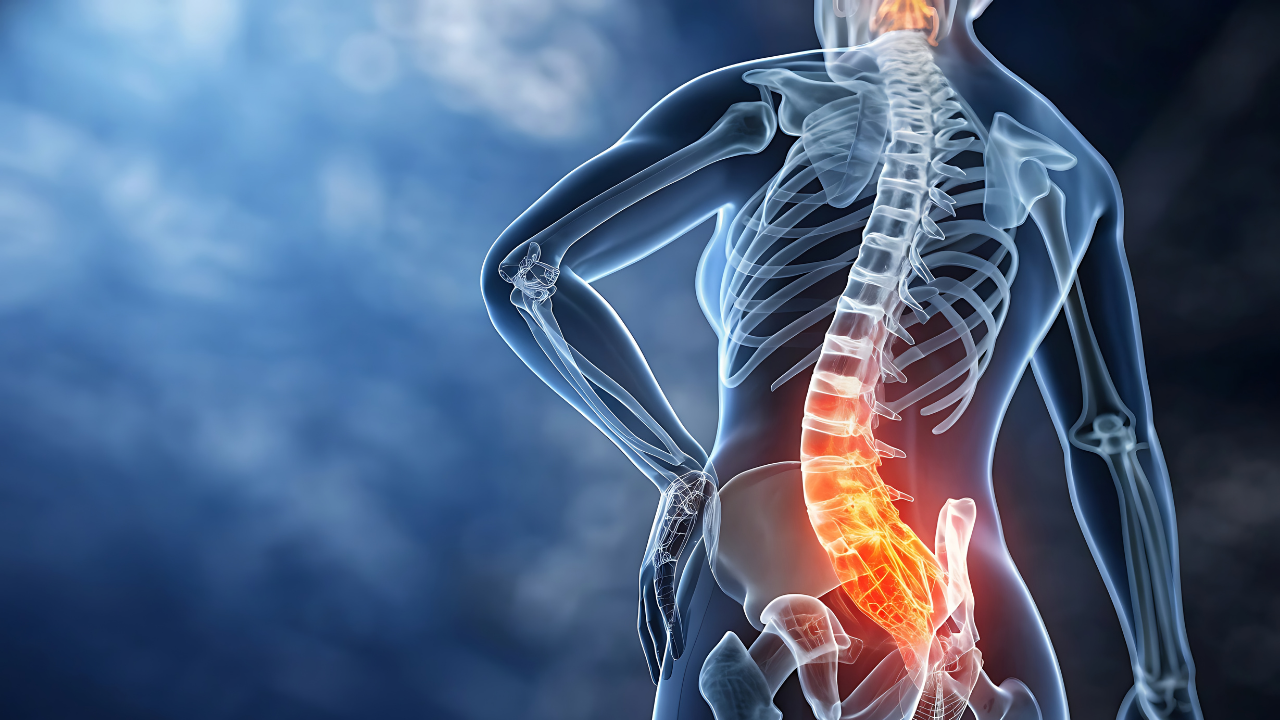
“When you learn to listen to your body instead of your fears, healing stops feeling impossible and starts becoming a partnership. Your body wants to recover—you just have to give it the chance and the tools to do so.”
— Tonya Juge
Why Pain Keeps Coming Back—and What Your Body Is Actually Asking For
Pain is one of the most universal human experiences, yet for many people it becomes a confusing, frustrating cycle. Discomfort flares up, fades temporarily, and then returns—often stronger than before. This pattern leaves people feeling fearful of movement, uncertain about their bodies, and unsure who or what to trust.
According to physical therapist Tonya Juge, pain is rarely random—and it is almost never just about damaged tissue. With more than two decades of experience, she has seen how recovery accelerates when people understand why pain persists and how the body communicates during healing.
Pain Is Not Just Physical—It’s Informational
One of the most common misunderstandings about pain is the belief that discomfort always signals harm. In reality, pain is often a message rather than a warning. When fear dominates the response to pain, the nervous system stays guarded, muscles tighten, and movement becomes restricted—even after tissues are capable of healing.
When people feel rushed, dismissed, or unheard, anxiety increases, and the body remains in a defensive state. Listening—both by clinicians and by individuals themselves—plays a powerful role in calming the nervous system and restoring trust in movement.
Why Listening Changes the Healing Process
Feeling heard does more than provide emotional comfort. It helps regulate the nervous system, reduce fear-based guarding, and improve engagement in recovery. When individuals are encouraged to share their full story—how pain began, what aggravates it, and how it affects daily life—they become active participants in healing rather than passive recipients of treatment.
This collaborative approach builds belief in the process, which research consistently shows improves outcomes. Trust allows people to move with confidence instead of hesitation.
The Stories We Tell Ourselves About Pain Matter
Many people unconsciously adopt limiting narratives such as:
- “Movement always makes it worse.”
- “I’m just injury-prone.”
- “If it hurts, I should stop completely.”
These beliefs often persist long after tissues are ready to move again. When fear leads the body, even gentle movement can feel threatening. Reframing pain as information—rather than danger—allows individuals to reintroduce movement safely and effectively.
Why Movement Is One of the Body’s Most Powerful Healing Tools
Appropriate movement stimulates growth factors that repair tissue, support circulation, and help regulate inflammation. It also activates neurological pathways that improve coordination and confidence.
Healing does not require extreme effort. In fact, small, intentional movements performed consistently often outperform aggressive interventions. The goal is not to push through pain, but to choose movements that support circulation, alignment, and gradual adaptation.
The Three Foundations of Lasting Recovery
Sustainable healing typically involves addressing more than one layer of the problem:
- Mechanical freedom
Restrictions in joints and fascia can limit motion and create compensation patterns that lead to pain. - Neuromuscular retraining
Even when strength returns, old movement habits can override proper mechanics unless retrained. - Motor learning through repetition
New patterns must be practiced enough times to become automatic. Pain relief alone is not the finish line.
When these elements work together, progress tends to last.
Why Pain Often Returns After “Successful” Treatment
Pain frequently resurfaces when only one piece of the puzzle is addressed. Strengthening without releasing restrictions—or stopping therapy as soon as symptoms decrease—can leave the body unprepared for real-world demands.
Long-term improvement comes from restoring movement quality, reinforcing stabilizing muscles, and allowing the nervous system to fully trust the new pattern.
The Hidden Cost of Too Much Rest
While rest is important, prolonged inactivity reduces circulation and joint nourishment. This can increase stiffness and discomfort—especially for older adults or individuals with arthritis.
Gentle, consistent movement combined with appropriate recovery helps tissues stay hydrated and responsive. Even small changes throughout the day can prevent the body from becoming “stuck.”
Simple Adjustments That Support Healing
Small environmental changes can significantly reduce strain:
- Sitting on a firm cushion to improve alignment
- Adjusting chair height or armrests
- Shifting positions regularly instead of staying static
- Using ice or contrast therapy to calm irritated tissues
These strategies often reduce discomfort without invasive interventions.
Recovering Smarter—Not Harder
Sustainable recovery is built through pacing rather than extremes. Gradually layering activity, allowing time for adaptation, and avoiding the temptation to “jump back in” too quickly helps prevent re-injury.
Listening to the body—rather than pushing through expectations—keeps progress steady and safe.
Five Principles for Smarter Recovery
- Pay attention to how your body responds, not just how you think it should perform
- Temporarily avoid movements that flare symptoms while rebuilding capacity
- Reduce unnecessary strain with supportive positioning
- Increase activity gradually instead of all at once
- Work with a skilled professional who evaluates movement patterns—not just symptoms
Why This Approach Works
When people feel understood, informed, and empowered, their bodies respond differently. Pain becomes less frightening. Movement becomes safer. And recovery becomes a process built on trust rather than force.
Healing is not about silencing pain—it’s about understanding it.
