Longevity is a decision made at breakfast, lunch, and dinner.
– Dr. Hany Demian
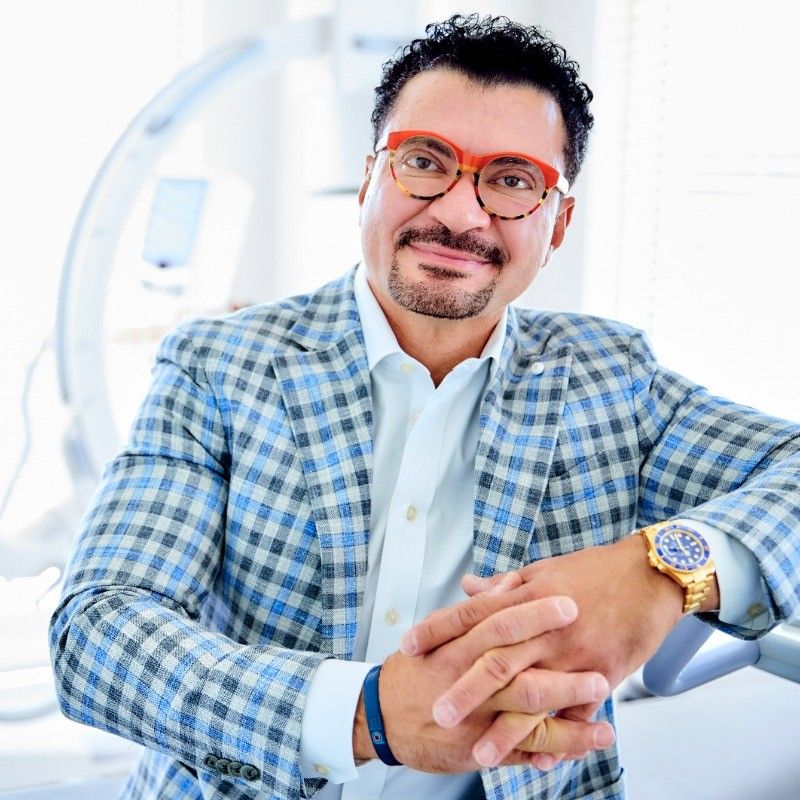
Dr. Hany Demian strides into this conversation fresh from a whirlwind tour of Dubai’s most cutting‑edge regenerative clinics and into the spotlight of our brand‑new studio. A visionary in modern medicine and co‑founder of Pain Care Clinics, he has spent decades asking not just how long we can live, but how well. From plasma exchange and exosome therapy to the overlooked power of brushing your teeth, Dr. Demian sees longevity as a tapestry woven from high‑tech advances and humble daily rituals.
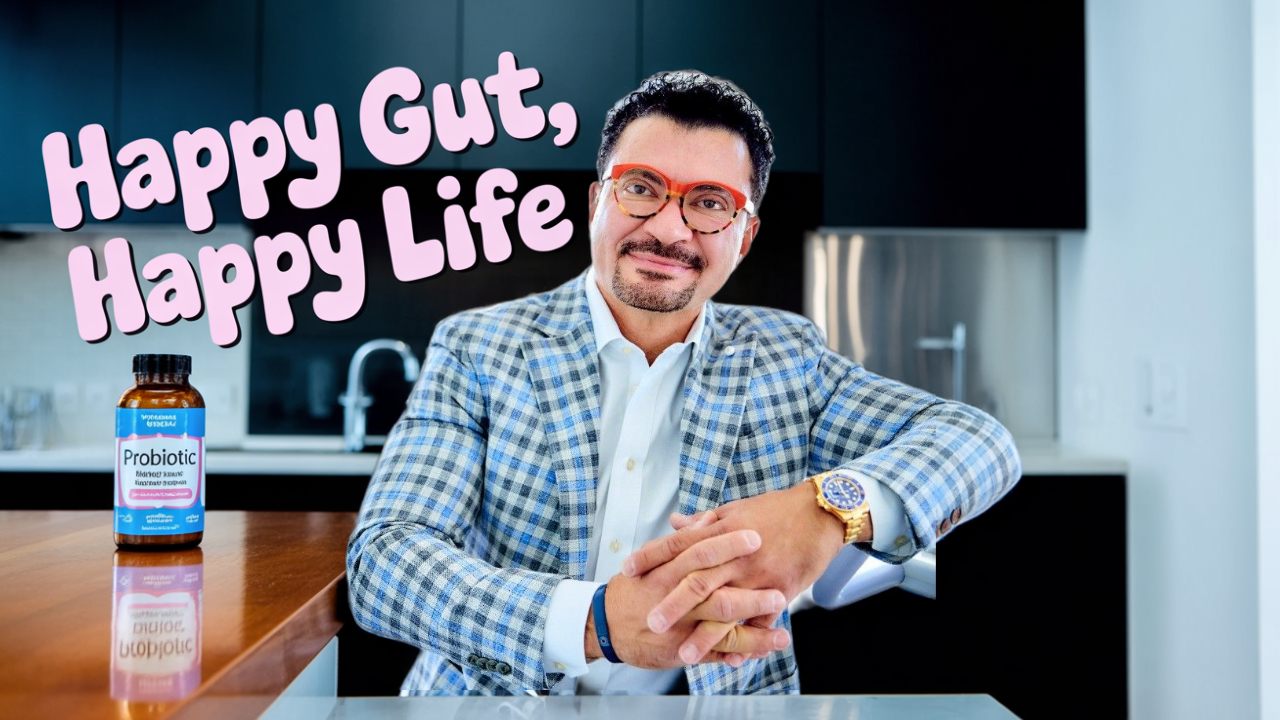
In this enticing interview, Stacey Chillemi peels back the layers of gut health, the body’s unsung command center that houses 70 percent of our immune cells, and explores the simple habits that transformed a lifelong physician’s 95‑year‑old father into a door‑sprinting marvel. If you’re ready to rethink immunity, energy, and that morning cup of lemon water, settle in. The next ten minutes could change how you care for your body, starting from the inside out.
Thank you so much for joining us! Our readers would love to get to know you a bit better. Can you tell us a bit about your backstory?
I grew up in a home where health was a living principle, not just a profession. My father was a physician who believed that life should be lived on purpose; work hard, keep moving, and never let stress steal your joy. Watching him practice medicine by day and sprint to watch a soccer final by night showed me that longevity is a holistic art. From medical school in Egypt to co‑founding Pain Care Clinics and exploring regenerative therapies around the globe, I’ve carried that lesson with me: see the whole person, treat the root, and never stop asking how we can live not just longer, but better.
Your father clearly shaped your philosophy. What daily habits of his still guide your practice?
He kept things remarkably simple: a balanced plate, a brisk walk, impeccable oral hygiene, and an unshakable refusal to worry about the uncontrollable. Even at ninety‑five, he beats me to the door when someone knocks. That vitality reminds me that prevention is built on little rituals; brush and floss, move every day, enjoy real food, and protect your peace. Those fundamentals still anchor every protocol I design for patients.
Seventy percent of immune cells reside in the gut. Why does that statistic matter so much?
Because it reframes the gut as command central for immunity. When the intestinal lining is inflamed or imbalanced, your entire defense network misfires; autoimmunity rises, chronic pain flares, and energy plummets. Nurture the microbiome with fiber, hydration, and stress management, and immunity runs like a well‑tuned engine before a single prescription is written.
Stress affects everyone. How does a calm mindset translate into better health?
Stress hormones flood the gut with cortisol, weakening its barrier and fanning inflammation. My father simply opted out of that chemistry: he chose a soccer match over a financial headline, called problems solvable, and slept soundly. Physiologically, that calm preserved gut integrity, stabilized blood sugar, and kept his cardiovascular system youthful, proof that mindset is potent biochemistry.
You often begin exams by asking about dental care. Why start there?
The mouth is the gateway. An untreated gum infection seeds harmful bacteria that travel straight to the stomach and beyond. Regular brushing, flossing, and a simple descaling every three months cost pennies compared with a root canal and can save years of downstream gut and cardiac trouble. A healthy smile really does lead to a healthy biome.
Constipation and bloating send many people to the ER. What’s happening inside?
When stool stagnates, it presses on intestinal walls, forming diverticular pockets that can bleed or become infected. Meanwhile, harmful bacteria overgrow while beneficial strains wither. Smooth, effortless elimination signals a balanced gut; straining is an early warning that the microbial garden needs tending.
Stool analysis isn’t glamorous, but how does it guide treatment?
It’s a detailed map of your intestinal ecosystem; who’s thriving, who’s missing, and whether inflammation is simmering. With that data we tailor probiotics, diet, and lifestyle adjustments instead of guessing. A $100 test can prevent years of trial‑and‑error medications.
H. pylori is surprisingly common. What should readers understand about it?
This stubborn bacterium thins the stomach lining, invites ulcers, and causes relentless bloating. If one household member tests positive, everyone needs treatment, or it simply hops from person to person. A quick urea breath test reveals it, and coordinated therapy clears it.
Antibiotics are lifesaving, yet you call their overuse a pandemic. How do they undermine gut health?
They’re not precision missiles; they wipe out friendly flora along with pathogens. Every unnecessary course leaves the gut deforested, opening the door to inflammation, fatigue, and recurrent infection. Judicious use preserves the microbial allies that antibiotics cannot replace.
You recommend starting each day with warm water and lemon. What makes that ritual powerful?
Half a liter of warm, slightly acidic water jump‑starts circulation to the stomach, balances pH, rehydrates cells, and signals peristalsis. It’s the simplest way to prime digestion without a million‑dollar bottle of ozonated water.
Intermittent fasting can feel daunting. What window do you find practical?
A gentle twelve‑hour fast, say 6 p.m. to 6 a.m., gives the gut nightly downtime for repair while fitting real life. The goal is restoration, not starvation. Consistency beats extremity every time.
Walk us through a typical “lean” eating day for you.
Morning begins with those two liters of lemon water. Around nine, Greek yogurt blended with whey protein and a banana fuels the first half of the day. Lunch is grilled chicken, salad, and a modest scoop of rice or rice cakes. Mid‑afternoon brings oatmeal or another yogurt. Dinner is steak, fish, or chicken joined by salad, always capped with fruit for fiber and micronutrients. Twice a week, I enjoy an unabashed feast with friends or family… joy is essential nutrition.
You recently experienced plasma exchange and exosome therapy in Dubai. How did it feel afterward?
Imagine surfacing from deep water and taking the first effortless breath: chest light, mind clear, chronic aches gone. The process filters toxins, restores mitochondrial vigor, and sends cellular “wake‑up” signals throughout the body. The sensation of renewed capacity is unmistakable.
Why pair such advanced therapy with renewed gut testing?
High‑tech interventions shine only on a solid foundation. I had recalibrated cellular function, yet lingering fatigue hinted the gut still needed attention. Advanced treatments and microbiome stewardship are partners, not alternatives; both are needed for sustained vitality.
Annual abdominal ultrasounds and genetic screens seem proactive. How do they relate to gut health?
They catch silent issues, like fatty liver or colorectal‑cancer genes, before symptoms start to peek through. When I saw a genetic flag for breast cancer, I reduced soy and tightened hormone monitoring. Early knowledge lets you steer your course rather than drift into disease.
Muscle mass, bone density, and collagen all decline with age. How does diet influence that slide?
After thirty‑five we lose roughly one percent of muscle and bone each year. Adequate protein, clean fats, colorful produce, and targeted resistance training slow or reverse that loss. Nutrient‑dense foods feed collagen synthesis, firm skin, and resilient joints… beauty from biology, not syringes.
For readers feeling overwhelmed, what three starter steps would you prescribe today?
First, perfect oral hygiene; brush, floss, schedule that cleaning. Second, hydrate each dawn with warm lemon water before coffee or food. Third, order a basic stool test and discuss results with a clinician who understands the microbiome. Small hinges swing big doors.
Poor gut health often ruins sleep. How are they linked?
Inflamed intestines release cytokines that disrupt deep‑sleep cycles. Fragmented rest then elevates stress hormones, further irritating the gut… a vicious feedback loop. Calm digestion, and restorative sleep follow; sleep well, and gut function stabilizes. They rise or fall together.
What fuels your drive to bring whole‑system care to mainstream medicine?
Every time we prevent cancer, ease chronic pain, or simply give someone back their energy, we extend the quality of life that numbers on a calendar can’t capture. There is no higher return on investment than a patient who wakes up pain‑free and hopeful.
How can our readers further follow your work online?
They can learn more about my story, philosophy, and services by visiting my website at drdemian.com. I also share daily insights on wellness, regenerative medicine, and living with purpose on Instagram at @drhanydemian and connect professionally on LinkedIn at Dr. Hany Demian. I love engaging with people who are ready to take charge of their health and discover what healing can truly look like.
Dr. Demian, thank you for sharing such practical, eye‑opening insights today.
Dr. Hany Demian: Stacey, the pleasure is mine. I’m grateful for the chance to empower your audience—here’s to vibrant guts and vibrant lives!