
Hope is a wonderful thing. It is not, however, a word I use often. The work I do requires more than hope. It requires action. I use hope when I have no control over the outcome. “I hope you have a great day.” “I hope you feel better.”
There is one sentence that will rarely come out of my mouth when I do have the power to influence the outcome:
“I hope to [insert the thing I want to do].”
I used to hope to do things. Because I believe deeply in the immense power of words and the importance of intention, I now speak using verbs that connote action. To me, hope often signals distance from execution. It’s the verb of the earliest, most nascent stage of a dream, the moment when a vision is first articulated.
That stage matters. Naming a dream is important, but if I’m still saying what I “hope to do” years after the idea first formed, it usually means I’ve taken little to no action on it. Spoiler alert: the things I have only “hoped to do,” without coupled with an intention of how I would do them, never saw the light of day.
So instead of saying what I hope to do, years ago, I committed to only expressing what I am doing. Sometimes I express these intentions publicly, and sometimes, I only express these intentions to myself, but in either event, I don’t simply hope. This mindset shift helps me hold myself accountable to the intentions behind the projects I’m working on, personally and professionally.
Instead of:
“I hope to finish my book,” it’s: “I’m writing three pages today,” or “I’m writing for an hour today.”
Instead of:
“I’m hoping to work out today,” it’s:
“I’m walking three miles today.”
Instead of:
“I hope to learn more about this legal development,” it’s:
“I’m attending a continuing legal education course on this topic.”
Instead of:
“I’m hoping to finish this episode today,” it’s:
“I’m checking in with my animation team to confirm the episode’s status.”
Weak verbs produce weak results. I’ve always abhorred mediocrity. A partner at the first law firm where I worked as an associate once said to me, “Jessica, one thing I know about you is that you believe life is too short not to do your best.” That’s true. I believe it deeply. It is unfair to your dream and to the impact you want to make in the world to stop at hope.
Hope leaves dreams in the drafts folder. Action sends them into the world.
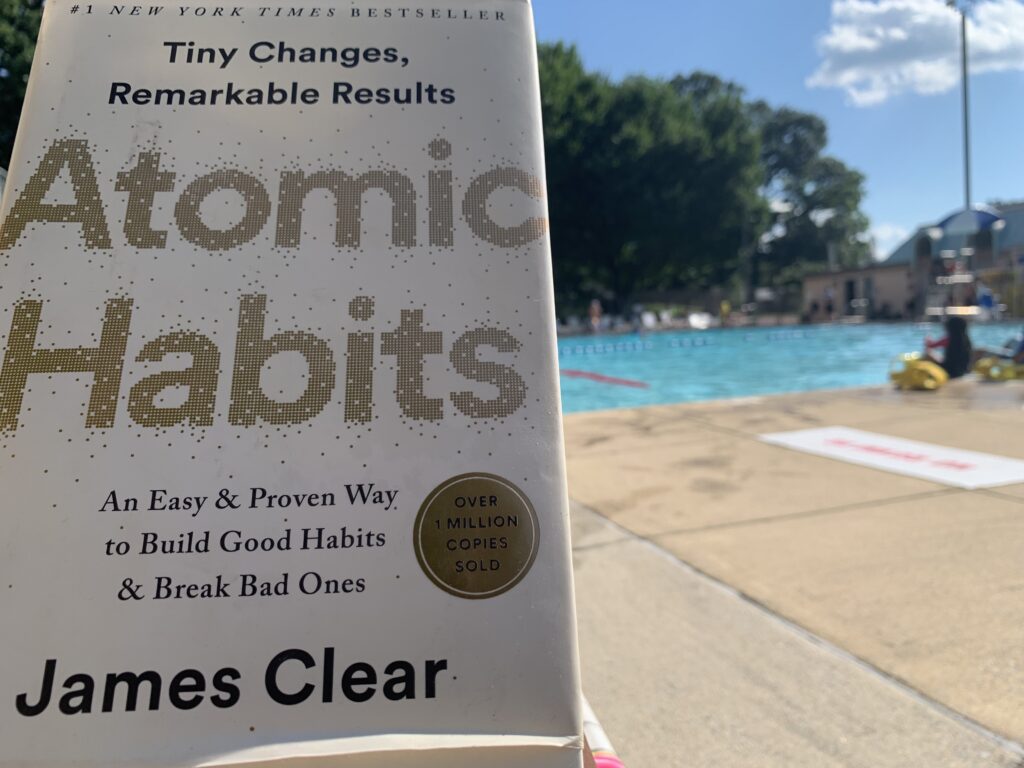
I believe in the power of habits. I adored James Clear’s Atomic Habits. I’ll be writing more about the ones that I find most effective. I won’t hope to write; I will write. Subscribe to my Substack to read more about the daily habits I employ for success.