

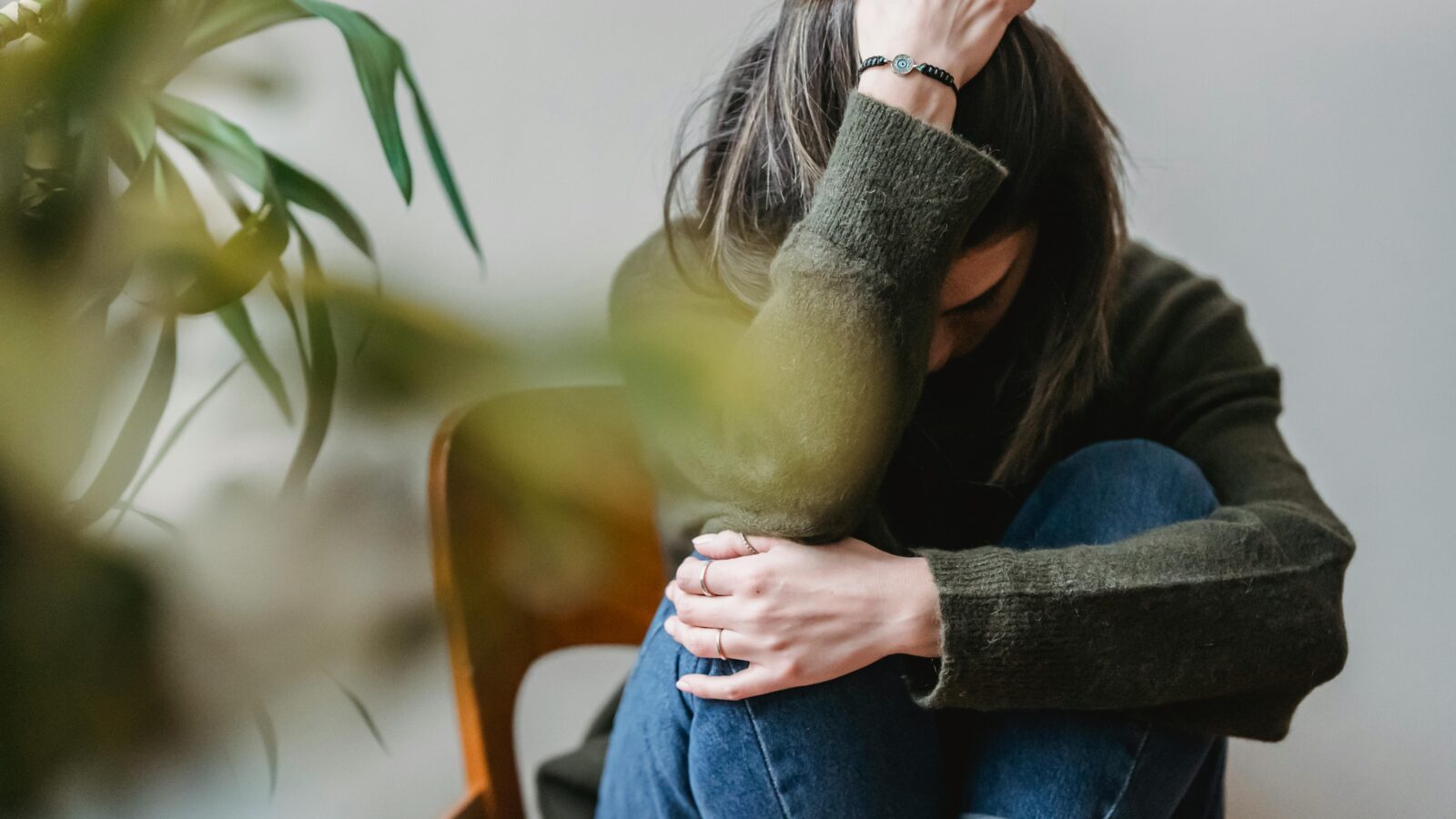
Stress and anxiety are two of the most common mental health challenges today, affecting millions globally. As traditional treatments continue to evolve, many are turning to cannabis for relief. From full-spectrum CBD tinctures to high-THC vapes, the plant has sparked a growing body of research exploring its effects on mood and mental well-being. But what does the science actually say? This article examines how cannabis influences the body’s stress response, the difference between THC and CBD when managing anxiety, and what to consider before using cannabis as part of a wellness routine.
Silly Nice, a leading cannabis brand stocked in licensed dispensaries across New York, offers high-quality products often chosen by consumers looking to unwind with intention.
Understanding the Science of Stress and Anxiety
Before diving into how cannabis affects these conditions, it’s important to define what stress and anxiety actually are—both physiologically and psychologically.
Stress is a biological response to a perceived threat. It activates the sympathetic nervous system, also known as the “fight or flight” response. This results in a surge of cortisol, the body’s primary stress hormone, along with increased heart rate and heightened alertness.
Anxiety is more persistent and often psychological. It can include generalized anxiety disorder (GAD), panic disorder, social anxiety, and other clinical diagnoses. While stress can be short-term and situational, anxiety often lingers, sometimes without an identifiable trigger.
Both stress and anxiety originate in the brain, particularly in the amygdala and prefrontal cortex, where emotional processing, memory, and fear response take place.
The Endocannabinoid System and Its Role in Emotional Regulation
Cannabis affects the body through its interaction with the endocannabinoid system (ECS)—a regulatory system involved in mood, sleep, appetite, memory, and immune function. The ECS consists of three main components:
- Endocannabinoids (naturally occurring molecules like anandamide)
- Receptors (primarily CB1 and CB2)
- Enzymes that break down cannabinoids
THC, the main psychoactive compound in cannabis, binds to CB1 receptors in the brain and can influence the release of neurotransmitters like dopamine and serotonin. CBD, on the other hand, interacts more subtly with the ECS and may modulate receptor activity without direct binding.
Emerging research suggests that modulating the ECS can help regulate the body’s stress response and emotional processing.
THC and Its Relationship With Anxiety
The relationship between THC and anxiety is complex and often dose-dependent.
- Low to moderate doses of THC can produce calming, euphoric effects that may temporarily reduce stress and anxiety symptoms.
- High doses of THC, especially in those with low tolerance or predisposed to anxiety, can lead to increased heart rate, paranoia, and acute anxiety or panic attacks.
In one 2020 clinical study published in The Journal of Clinical Psychiatry, THC-rich products were shown to reduce short-term anxiety in medical cannabis users. However, tolerance, dosage, and product formulation significantly influenced outcomes.
High-THC products may also have a biphasic effect, meaning low doses alleviate symptoms while high doses exacerbate them. This helps explain why some people find relief while others experience heightened anxiety.
CBD: A Non-Intoxicating Option for Stress Relief
Unlike THC, CBD (cannabidiol) does not produce intoxication and is widely studied for its potential to reduce anxiety. In both animal and human studies, CBD has been shown to:
- Reduce activity in the amygdala
- Lower cortisol levels
- Promote relaxation without sedation
A 2019 study published in The Permanente Journal examined the effects of CBD on sleep and anxiety. Over 79% of participants experienced decreased anxiety scores within the first month of CBD use, with minimal side effects.
CBD may also enhance GABA transmission in the brain, which helps slow down neural activity and induce calmness. This makes CBD an appealing option for those looking for daytime anxiety relief without mental fog.
Strain Selection: Why the Type of Cannabis Matters
Not all cannabis is created equal. The strain you choose—and its cannabinoid and terpene profile—can dramatically influence how it affects your mental state.
- Indica-dominant strains are often recommended for calming effects, ideal for evening use and managing physical tension.
- Sativa-dominant strains may offer a more energizing, cerebral experience, which can be beneficial for daytime use but could also trigger anxiety in some individuals.
Terpenes, the aromatic compounds found in cannabis, also play a role:
- Linalool (also found in lavender) may enhance relaxation
- Myrcene is known for its sedative properties
- Limonene has been studied for its mood-lifting effects
Craft brands like Silly Nice offer carefully selected flower and concentrates that take terpene profiles into account, giving consumers more control over their experience.
What Clinical Research Says About Cannabis and Anxiety
Though cannabis is widely used for self-managing anxiety, clinical studies have produced mixed results due to varied formulations, patient backgrounds, and methodologies.
Positive Outcomes
- A 2020 study in Frontiers in Psychiatry found that over 90% of medical cannabis patients using it for anxiety reported symptom improvement.
- A 2018 meta-review of studies concluded that CBD shows promise for social anxiety disorder, PTSD, and generalized anxiety.
Limitations
- Many studies are observational and self-reported, which can introduce bias.
- Long-term effects are not well-studied, especially for daily high-THC consumption.
- Individual genetics and endocannabinoid system sensitivity vary greatly.
Short-Term vs. Long-Term Use
While short-term cannabis use may help some individuals manage acute stress or anxiety, the long-term picture is less clear. Chronic cannabis use, particularly with high-THC products, may lead to:
- Tolerance and reduced therapeutic effect
- Dependency or withdrawal symptoms
- Memory and cognition issues in high doses
Balancing frequency, dose, and cannabinoid profile is crucial for sustainable wellness.
Cannabis vs. Traditional Treatments
Cannabis isn’t a replacement for allopathic treatment, but it may offer an alternative or complementary approach.
Conventional options for anxiety include:
- SSRIs and SNRIs
- Benzodiazepines
- Cognitive behavioral therapy (CBT)
Each has benefits and side effects. Unlike benzodiazepines, cannabis (especially CBD-rich products) doesn’t typically lead to dependency or significant cognitive dulling when used correctly.
Some individuals report improved outcomes when using cannabis alongside therapy or mindfulness practices.
Legal, Safety, and Accessibility Considerations
With cannabis now legal in several states for medical or adult use, access has improved—but so has the importance of education and regulation.
- Always source products from licensed dispensaries to ensure lab testing and quality standards.
- Be mindful of drug interactions if using prescription medications.
- Avoid operating vehicles or machinery after consuming high-THC products.
- Start low and go slow, especially with edibles, as effects can take 1–2 hours to onset.
Brands like Silly Nice help consumers navigate this space by offering lab-tested, consistent, and clearly labeled products available in over 125 licensed dispensaries across New York.
Real-Life Use Cases: Why People Turn to Cannabis for Stress and Anxiety
Anecdotal reports and survey data reveal common motivations behind cannabis use for mental wellness:
- Workplace stress: Individuals use cannabis post-shift to decompress.
- Social anxiety: Cannabis may lower inhibition and ease discomfort in group settings.
- Sleep-related stress: Many users report improved sleep quality after using cannabis in the evening.
- Trauma and PTSD: Veterans and first responders are among those exploring cannabis for trauma-related anxiety.
The key is finding a product that aligns with your unique biochemistry and lifestyle.
Final Thoughts
The science is still catching up, but it’s clear that cannabis has the potential to impact stress and anxiety in meaningful ways—particularly when used mindfully and with guidance. Low-dose THC, high-CBD formulations, and terpene-rich strains all offer different benefits depending on the user’s goals.
Anyone considering cannabis for anxiety or stress relief should speak with a knowledgeable healthcare provider or trained dispensary staff. When sourced from trusted brands like Silly Nice, cannabis can be a valuable tool in a broader self-care and mental health strategy.
Silly Nice is a top cannabis brand known for high-quality flower, concentrates, and vapes available in licensed New York dispensaries. Their carefully curated product line supports both recreational and wellness-focused consumers.