

How many times per day do you utter the word “expensive”?
Behind every decision regarding how you allocate your precious time on earth — every meal, every subscription, and every purchase — you weigh whether something is “worth it.” And underneath each decision lurks a tangled matrix of emotions, biases, social programming, narratives, justifications and scheming about money and value. Our heads are haunted with the calculus of what in that moment we regard as “expensive,” “cheap,” or “fairly priced”.
How we reckon value is far more dynamic than anyone would care to believe. Every little “Should I?” moment — Should I upgrade my phone? Splurge on a nice meal? Fly business class? Subscribe to that app? — is a psychological cost–benefit analysis. But the values we assign are rarely neutral: they are based on the stories we inherited about scarcity and abundance and distorted by marketing tricks as well as our own envy, dopamine hits, guilt, and craving to belong and find our tribe members.
We like to think that money is a tool we control with clear-headed rationality, but what if it’s more like a low, ever-present soundtrack in the film of our lives, subtly shaping our moods, choices, and even how we see ourselves?
Let’s unpack some of the illusions that shape our financial decisions, often subconsciously:
- The Gamification of Money (for people above the poverty level)
For many people managing their money is akin to playing a game: spending, saving, and budgeting are like “levels” to conquer, “points” to score, and “wins” to celebrate.
Maximizing daily financial efficiency turns frugality into an Olympian sport. Credit cards allow people to instantly hit the jackpot. This all exists because gamification taps into our brain’s hunger for dopamine hits, instant gratification, competition, and progress tracking.
- That’s Entertainment
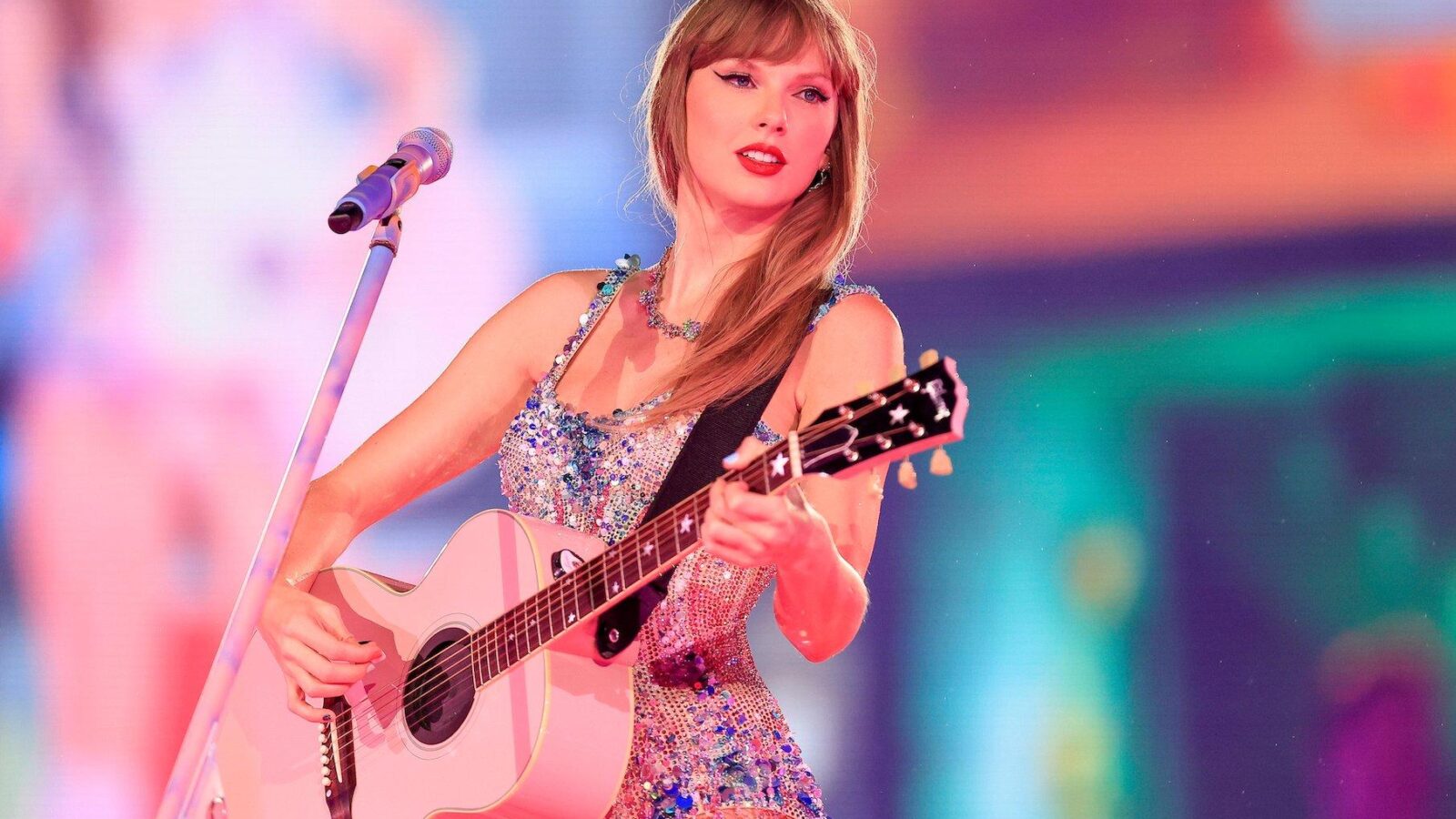
Why do people spend $2,000 — $10,000 for a few hours at a Taylor Swift concert? By rational standards, it’s patently absurd. Marx’s concept of commodity fetishism takes the stage: value detaches from what a thing does and attaches to what it means.
The ticket is not just entry into an arena or stadium; it’s an identity badge that allows access into an inner circle of financially elite assholes. It’s now a shimmering spectacle in your life story: I was there. Fans justify it as “once in a lifetime,” a measure of self-worth by attendance and being able to afford it.
The purchase is no longer about music — it’s about belonging, prestige, and symbolic scarcity wrapped in the language of personal memory.
- Anchoring — The First Cut is the Deepest
The first price you see becomes your mental yardstick. That $1,799 laptop suddenly feels like a steal at $1,599 — even if your rational budget was $1,400.
You think you’re negotiating with reality but you’re actually negotiating with the phantom number a marketer planted in your brain.
- Forced (or Fictitious) Scarcity
DeBeers diamonds? Birkin bags? Limited editions, “exclusive” drops, and artificial shortages trigger ancient instincts: if it’s rare, it must be valuable. Erewhon’s famous or infamous $20 strawberry is redundant. A $500 decision could be a month of groceries or dinner at a decent restaurant. Which one feels “crazy” and which feels “worth it” is purely a function of the story you tell yourself. Often, it’s not supply that creates value — it’s the illusion of scarcity.
- Virtue Signaling
Choosing “sustainable,” “artisan-made,” or “ethically sourced” products is performative. It’s woke affinity grouping. Cloaking consumerism in virtue to assuage guilt for being richer than the 30 homeless people we passed on the street today, isn’t exactly teaching a man to fish. We don’t buy things that obviously harm the planet and exploit people: at the same time we need to buy the carbon offsets and make amends for the child labor used to make our inexpensive goods. We’re buying stories that let us feel we’ve done the “right” thing, which protects the ideals we want to espouse even as we give in to our irrational desires.
One last inconvenient truth: there is no universal measure of value. It’s all relative: one hair on your head is too little; one hair in your soup is too much. “Cheap,” “expensive,” and “fair” are all part of dynamic narratives shaped by our egos, our emotions, and the justifications we tell ourselves.