

Photo via Pexels
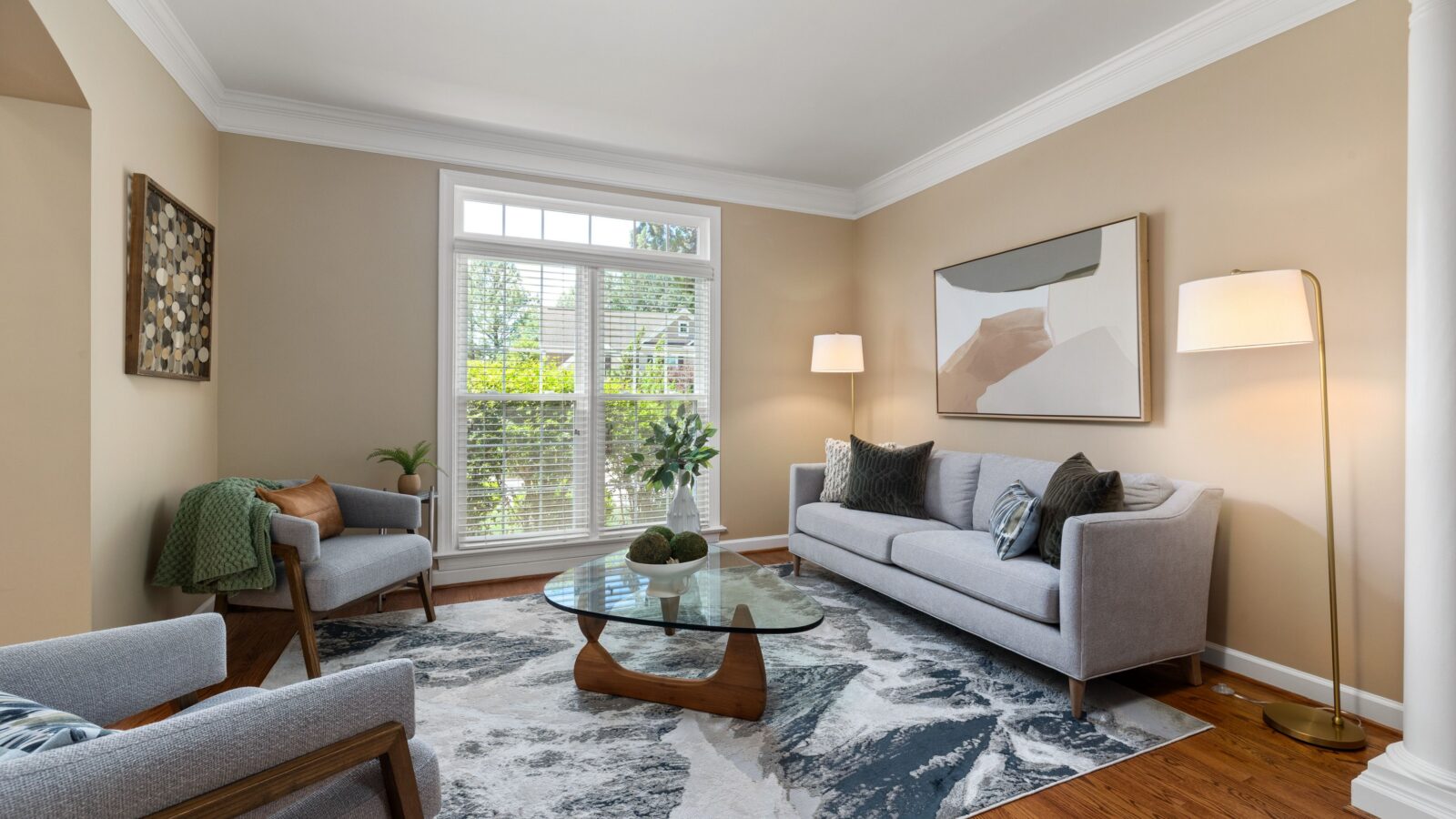
Busy parents juggling work and wellness, remote professionals spending long hours indoors, and renters trying to make a small space feel livable often share the same challenge: the home meant to recharge them quietly adds stress. Cluttered flow, harsh lighting, stale air, and constant noise can wear down physical and mental health, even when routines and self-care are solid. Home renovation for well-being doesn’t require a perfect makeover; it starts with noticing how a space supports rest, movement, focus, and calm. With healthy home design, wellness-oriented remodeling, and holistic home improvements, everyday spaces can become a more restorative living environment.
Understanding Healthy Home Design Basics
Healthy home design is the idea that your space can actively support your body and brain, not just look nice. A safe and healthy home pays attention to light, air movement, and how easily you can move through rooms. It also uses calming elements, like softer colors and less visual noise, to help your mood settle.
This matters because your environment shapes your baseline all day long. Low light can leave you foggy, while stale air can make you feel drained and irritable. Research shows light intensities outside can reach illuminances up to 100,000 lx, which helps explain why brighter daylight can feel so energizing.
Picture a typical weekday: you wake up in a dim bedroom, work in a cramped corner, and unwind in a busy-feeling living room. Small upgrades like brighter morning light, better airflow, and clearer pathways can make the day feel lighter and more manageable. With the basics clear, it helps to assess filters, ducts, airflow, and temperature swings affecting comfort.
Upgrade HVAC for Cleaner Air and Steadier Comfort
Once you understand how light, airflow, and layout shape how you feel at home, it’s easier to see why your HVAC system can make or break day-to-day comfort. Upgrading HVAC can noticeably lift indoor air quality by filtering out more dust and allergens, while also keeping humidity in a healthier range, less of that sticky, heavy air that can leave you feeling drained. A well-performing system also holds temperature steadier, so you’re not riding the roller coaster of hot and cold swings that can disrupt sleep and concentration.
If you’re assessing what to improve, pay attention to filter performance, duct condition, overall airflow, and any rooms that never seem to match the thermostat. And if the fix involves ordering components, quality matters: reputable suppliers help ensure replacement parts are durable and compatible with your system, this spells it out. From there, you can decide which health-first upgrades deserve top priority in your renovation plan.
Plan → Prioritize → Budget → Schedule → Review
This workflow turns “healthier home” from a vague goal into a steady decision-making habit. It helps you choose well-being focused remodeling choices, avoid budget surprises, and keep project timeline management calm and realistic. Repeat it for each room or project so your renovations stay aligned with how you want to feel day to day.
| Stage | Action | Goal |
| Notice | Track discomfort triggers for one week | Clear list of health and comfort pain points |
| Define | Pick 1 to 2 well-being outcomes to target | Simple north star for every decision |
| Prioritize | Rank projects by impact, cost, and disruption | Cost-effective healthy upgrades first |
| Budget | Set a cap, add 10 to 15% buffer, price basics | Spending plan you can sustain without stress |
| Schedule | Sequence work by dependencies and downtime windows | Fewer delays and less daily-life disruption |
| Review | Check results, adjust, then plan the next loop | Continuous improvements that compound |
Each stage feeds the next: noticing gives you real data, defining keeps you focused, and prioritizing protects your energy. With a budget and schedule in place, you can finish strong, then review so your next decision is easier and more confident.
Use Calming, Practical Upgrades You Can Start Now
Small, well-chosen upgrades can make your home feel calmer without turning your life upside down. Use your Plan → Prioritize → Budget → Schedule → Review workflow to pick one high-impact change, price it out, and give it a realistic time slot.
- Swap to light-enhancing window treatments: Replace heavy drapes with sheer or semi-sheer fabrics to brighten rooms while keeping privacy. Aim to keep the top of the window clear (or use a simple rod placed higher) so light can travel deeper into the space. The “why” is simple: more daylight often makes a room feel bigger, safer, and easier to relax in.
- Build a 10-minute “reset zone” with clutter-busting storage: Pick one pain point, entryway, kitchen counter, or bedside table, and add storage that matches what actually lands there (hooks for bags, a tray for keys, a lidded basket for mail). Give yourself a rule: if it doesn’t have a home, it doesn’t get to live on a flat surface. This is an easy “prioritize” win because it reduces daily friction and makes cleaning faster.
- Upgrade ventilation where you feel it most: Start with the bathroom and kitchen since moisture and odors build up fast. Clean or replace exhaust fan covers and filters, open windows for 5–10 minutes after showers/cooking, and use door undercuts or a small gap for better airflow. If your budget allows, schedule a quieter, higher-capacity fan install, this is a comfort upgrade you’ll notice every day.
- Cut noise with layered, targeted fixes: Identify the sound type: outside traffic, echo inside the room, or door/hallway noise. Seal gaps with weatherstripping, add a door sweep, and use a thick area rug or rug pad to reduce footfall and echo. For bedrooms, consider heavier curtains or a fabric headboard panel behind the bed to soften sharp reflections.
- Bring in natural materials for a calmer “baseline”: Choose one surface you touch daily, handles, bedding, bath mat, desk top, and swap in wood, cotton, linen, wool, or stone textures where practical. These materials tend to feel warmer and less “clinical” than glossy plastic or metal-heavy spaces. To keep it budget-friendly, you can phase it: one room per month, one tactile upgrade at a time.
- Create a dedicated wellness space, even if it’s just a corner: Define a small zone (as little as 3′ x 5′) and give it a single purpose: stretching, meditation, reading, or breathwork. Add a cue that signals “this is for me”, a mat, a lamp with warm light, and a basket that holds everything so setup takes under 60 seconds. Treat it like any other project: schedule it, keep the scope tight, and review whether you’re actually using it after two weeks.
Commit to One Health-Boosting Renovation Habit for 30 Days
It’s easy to feel stuck between wanting a home that supports your wellbeing and fearing the cost, mess, or decision fatigue. The steadier path is a reflective home improvement mindset: focus on empowering home design choices, mental health and space planning, and creating restorative home environments one small shift at a time. Over time, that approach delivers long-term health benefits of renovations, better sleep, calmer nerves, and smoother daily routines that make healthy living feel more natural. Design your space to reduce stress, and your habits will follow.