

We live in a culture obsessed with “similacra,” appearances, facades, the “right” look, 6-pack abs… a highly curated persona to be beamed out on social media from cool cafes, restaurants, beaches, hotels and other destination locations. Nowhere is this more apparent than in sunny and superficial California. From billboards to Instagram, the pressure to be beautiful and project that you’re “living your best life” is oppressive.
What if, in our quests to be celebrated for our glitzy and glamorous outer selves, we are undermining our deepest desire — to be loved? Is this cleavage between our facades and our authentic selves the engine of a giant resentment factory???
Human beings living in my slice of planet earth spend an extraordinary amount of time and energy — physical, mental, emotional, and financial — nay, even spiritual energy — attempting to look good to others. (And I won’t even mention people trying to look good through virtue signaling here.) Billions are annually invested in beauty, fitness, and self-improvement industries. We sculpt, inject, filter, and posture — all in the hope of gaining acceptance and admiration. Ironically, the more we succeed in “looking good,” the more likely we are to feel unappreciated for our authentic selves.
This vicious cycle is the heart of the American resentment factory: we construct appealing facades and then feel hurt, angry, depressed or empty when people objectify us for the simulacra of ourselves that we display. We want to be loved for our whole and complex being but we usually hide many aspects of ourselves fearing they will make us less lovable in a highly-competitive society that places on primacy on plastic-fantastic skin and style.
Here are some contemporary hypocrisies that we must be aware of:
We want to be physically attractive, but not look fake or contrived.
Our egos want to be admired, but our hearts seek genuine connection.
We strive to impress, but ache for people to empathize with us.
Caught in these contradictory and conflicting impulses, we are primed for resentment. Our culture rewards outward “success” and conformity and punishes perceived weakness. We internalize the message that our worth is measured by how we appear, not who we are. As a result, we often conceal our true struggles and idiosyncrasies, ironically making it impossible for others to love the “real” us, which we deem unfit for public consumption.
Obviously all of this has been exacerbated by social media. It’s a virtual stage where we continuously present our highlight reels while hiding disappointment, insecurity and loneliness. Each “like” can simultaneously give us a dopamine hit and deepen the sense that we are only appreciated for our shimmering smiles, not for our whole selves.
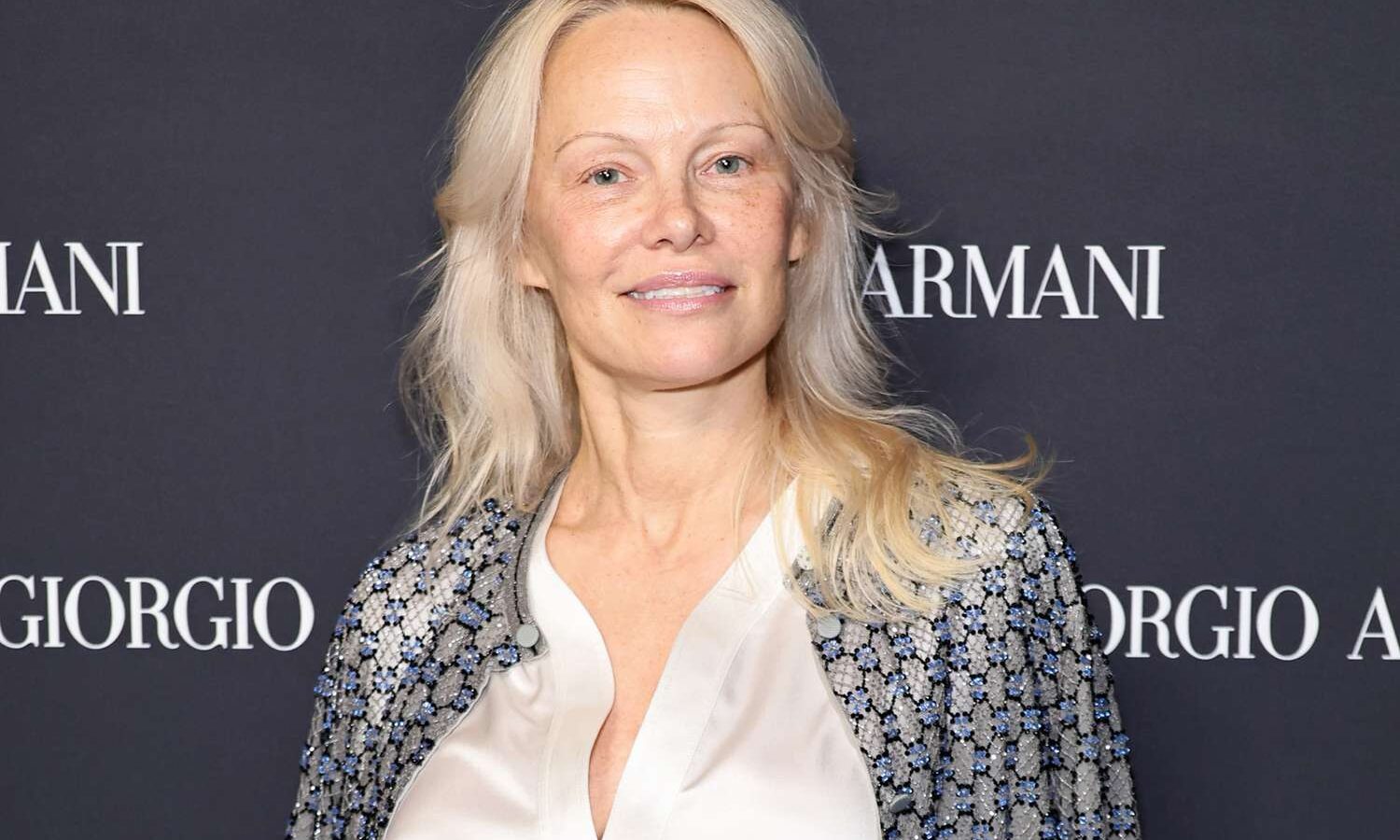
We post for validation, then resent being objectified for superficial beauty. Pamela Anderson discussing why she no longer wears make-up is an example of this.
Toiling in a resentment factory isn’t only psychologically draining, it’s also destroying the bonds that secured our society for hundreds of years. Chronic resentment leads to cynicism, distrust, and dissatisfaction. It poisons personal relationships with envy and jealousy, undermines intimacy, and eviscerates self-esteem. Many people end up feeling both exposed and invisible, on constant display like an animal in a zoo, but never truly seen.
The only antidote to this resentment is radical authenticity. This doesn’t mean baring your soul to everyone and running around naked and afraid; it means noticing when your quest to “look good” is motivated by ego-gratification and fear of rejection rather than love and self-expression. It means choosing to connect authentically with people instead of seducing them.
If America is a giant resentment factory, it’s fueled by our own insecurities and desperate craving to be loved. We also have the capacity to change the culture by modeling authenticity. When we drop our facades, own our imperfections and let others see our humanity, we not only stop the cycle of resentment — we invite real connection.
So the next time you catch yourself resenting someone for objectifying you, ask yourself, “What am I putting out there? Am I selling sexy because sex sells? But at what price? At what cost?”
True love — of self and others — begins the moment we exit the resentment factory and let ourselves be authentically seen — warts and all. Which is why I began “How To Survive Your Childhood Now That You’re An Adult: A Path to Authenticity and Awakening” with the quote by André Gide: “It is better to be hated for what you are than to be loved for what you are not”.