

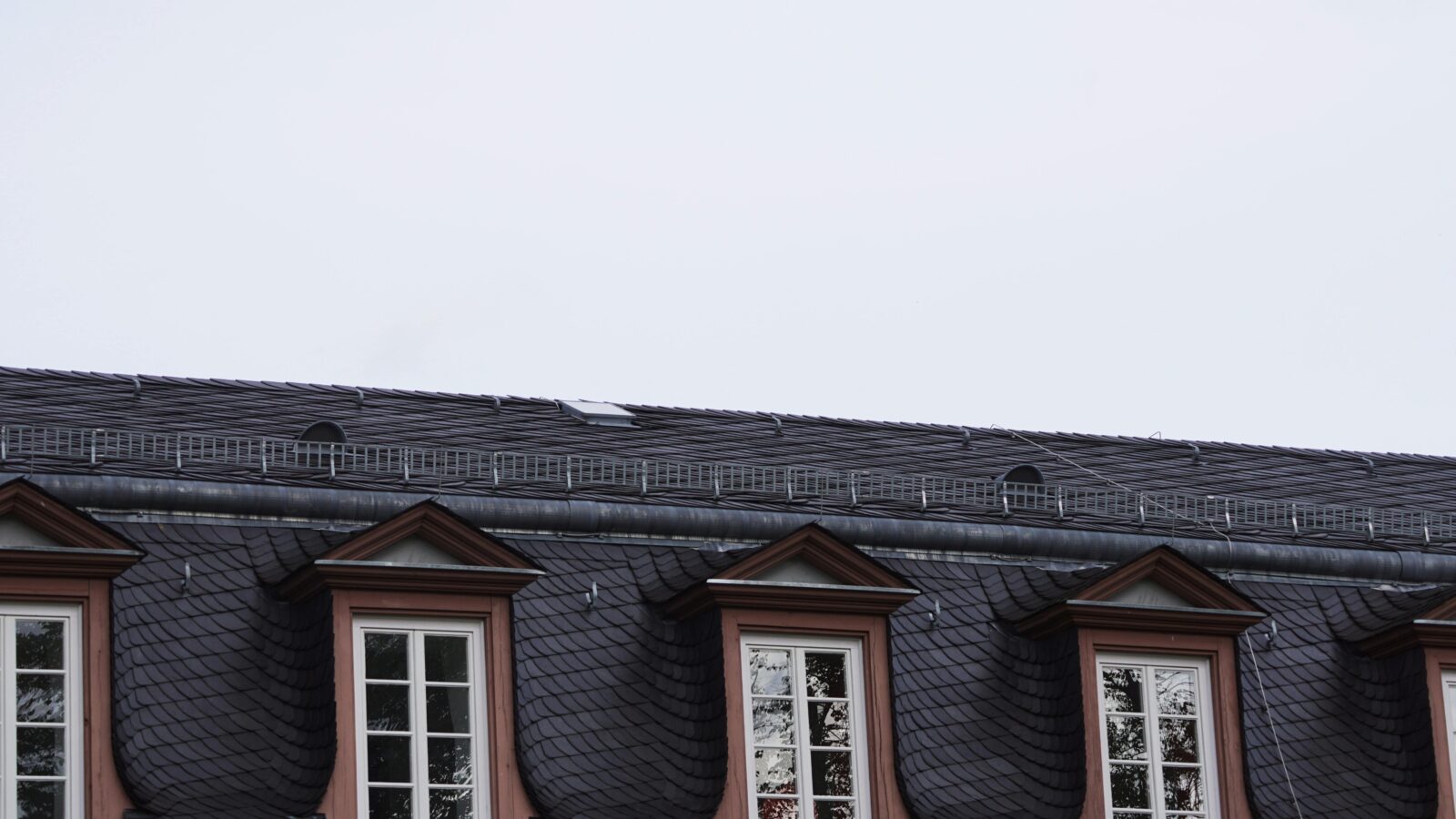
The weather does not need to be extreme to cause serious roof damage. In fact, the most destructive effects come from ordinary conditions repeating day after day. Sun, wind, rain, and temperature changes work together quietly, wearing down materials until the roof can no longer protect the home properly. By the time people think about calling a Residential roofing contractor New York, the damage has usually been forming for years without obvious warning signs.
The slow nature of weather-related wear makes it easy to underestimate how much stress a roof absorbs.
Sunlight Is a Constant Source of Damage
Sun exposure is one of the most underestimated threats to roof longevity. Ultraviolet rays break down roofing materials gradually, drying them out and reducing flexibility.
Shingles become brittle over time, making them less capable of handling temperature changes and wind pressure. This process does not happen evenly. Roof sections that receive full sun age faster than shaded areas, creating uneven wear patterns.
Because fading looks cosmetic, many homeowners overlook the deeper structural impact sunlight causes.
Temperature Swings Create Daily Stress
Roofs expand and contract with temperature changes. Hot days cause materials to expand. Cool nights cause them to contract. This cycle repeats constantly.
Over time, fasteners loosen, seals weaken, and joints begin to separate. These changes happen slowly and silently, without obvious surface damage.
In climates with wide seasonal swings, this stress accelerates aging and weakens the roof’s overall integrity.
Rain Does More Than Test Waterproofing
Rainwater does not just test whether a roof leaks. It applies pressure to every seam, overlap, and joint. Over time, even small imperfections allow moisture to work its way in.
Light rain may not cause visible problems. Repeated exposure, however, gradually degrades protective layers. Moisture that enters in tiny amounts weakens wood and insulation long before it becomes noticeable indoors.
This is why water damage often surprises homeowners once it finally appears.
Wind Applies Pressure Even on Calm Days
Wind damage is often associated with storms, but everyday wind causes wear as well. Constant airflow lifts shingle edges slightly, loosens fasteners, and stresses seams.
Over time, this repeated movement weakens the roof’s surface. Shingles that appear secure may already be compromised.
When stronger winds eventually arrive, they expose damage that has been building quietly for years.
Snow and Ice Add Weight and Moisture
In colder seasons, snow adds weight that roofs must support for extended periods. As snow melts and refreezes, water finds its way into small gaps.
Ice expansion widens cracks and forces materials apart. When temperatures rise again, those gaps remain larger than before, allowing more moisture to enter.
This freeze thaw cycle slowly accelerates roof deterioration without obvious signs.
Humidity Affects Roofs From Below
Weather affects roofs from underneath as well. High humidity increases moisture levels in attics, especially when ventilation is limited.
Moist air weakens wood and insulation. It also affects how roofing materials respond to temperature changes. Over time, this internal stress shortens roof lifespan significantly.
Because attic conditions are rarely monitored, this damage often goes unnoticed.
Weather Effects Accumulate Over Time
No single weather event usually causes roof failure. Damage builds through repetition. Each sunny day dries materials a little more. Each rain event introduces small amounts of moisture. Each temperature swing loosens components slightly.
The roof absorbs this stress quietly until it reaches a point where performance drops sharply. When symptoms finally appear, the underlying damage has already accumulated extensively.
This pattern explains why people often feel roof problems appear suddenly.
Seasonal Changes Reveal Existing Weaknesses
Weather shifts expose problems that already exist. Cold temperatures highlight cracks. Heavy rain reveals poor drainage. Heat exposes ventilation issues.
The season itself is not the cause. It simply uncovers weaknesses that have been forming slowly.
When homeowners contact a Residential roofing contractor New York after seasonal changes, the issues discovered usually predate the weather event.
Why Damage Is Easy to Miss
Weather related damage does not announce itself. It does not create loud noises or visible destruction in its early stages. It works gradually, beneath surfaces and inside materials.
Without regular attention, there is no reason to suspect anything is wrong. Comfort changes are subtle. Visual signs are minimal.
By the time damage becomes obvious, the roof has already lost much of its protective capacity.
Long Term Exposure Reduces Roof Resilience
As materials age under constant weather stress, their ability to recover decreases. New roofs can absorb minor damage and stabilize. Older roofs cannot.
Small issues that once would have remained contained now spread faster. Weather that once caused no harm now accelerates deterioration.
This reduced resilience explains why older roofs decline rapidly after a certain point.
Awareness Changes How Weather Is Viewed
Weather is not just something that happens occasionally. It is a daily force acting on the roof continuously.
Recognizing this helps homeowners understand why roof damage does not need storms to occur. Ordinary weather is enough, given time.
By the time a Residential roofing contractor New York becomes involved, the roof has often been weathered far beyond what appearances suggest.