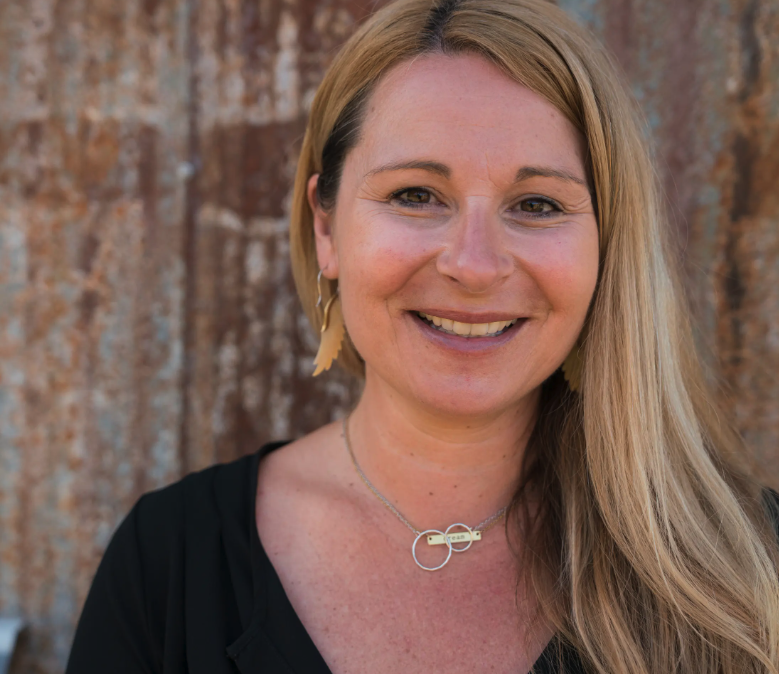
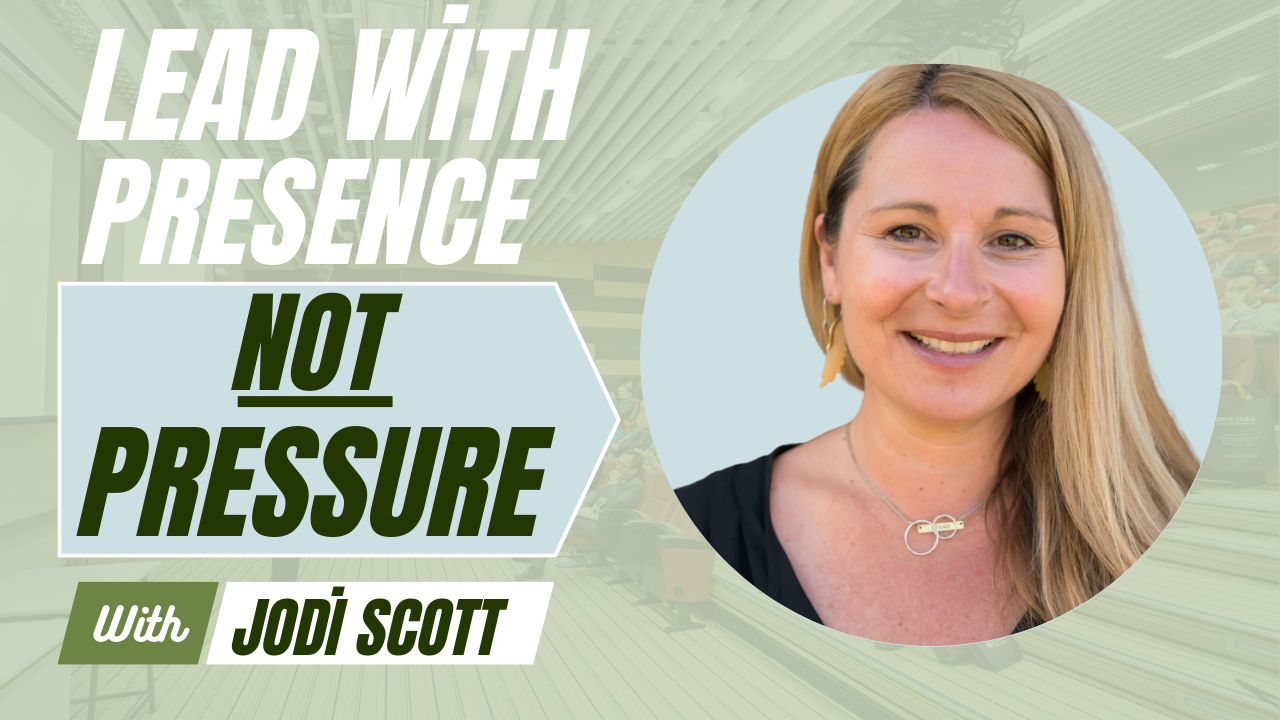
Strength isn’t about pushing harder… It’s about pausing long enough to get present, so you can move forward with clarity instead of fear.
– Jodi Scott
In business, it’s easy to mistake constant motion for strength—until life forces a pause and asks for something deeper. In this interview, The Advisor’s Stacey Chillemi sits down with Jodi Scott, CEO and co-founder of Green Goo, to explore what it really means to lead with presence instead of pressure. Jodi shares how building a plant-based first-aid company with her mom and sister challenged industry assumptions, and how the most difficult season of her career reshaped her definition of resilience.
From rapid growth and retail disruption to rebuilding after an unexpected collapse, Jodi opens up about the practices that helped her get grounded—micro-meditations, breath, movement, nature, and a simple daily framework she calls SHAMAN. Along the way, she offers practical, real-world leadership insights for anyone navigating uncertainty, managing stress, or trying to build a healthier culture without losing momentum. If you’re in a “mid-storm” season—or simply want to lead with more clarity and calm—this conversation will meet you right where you are.
Thank you so much for joining us! Our readers would love to get to know you a bit better. Can you tell us a bit about your backstory?
Thank you for having me—it’s truly great to be here. I’m Jodi Scott, the CEO and co-founder of Green Goo by Spry Life, and I built this company with my mom and my sister. Our work has always been rooted in health, well-being, and the belief that the body knows how to heal when it’s properly supported. Green Goo became the place where purpose, plant-based traditions, and real-world efficacy could live together. From the beginning, this has been about helping people feel better in a way that aligns with how they want to live.
What mission did you and your family set out to build with Green Goo?
Our mission was simple yet bold: to reinvent first aid. We saw people becoming more intentional about organic food and natural personal care, yet their first-aid cabinets told a very different story. Even the most conscious consumers made exceptions when it came to urgency and pain. We wanted to close that gap and prove that first aid could be both incredibly effective and aligned with a cleaner, plant-based lifestyle. That belief still guides every decision we make.
What did you notice in people’s first-aid cabinets that made you say this needed to change?
What stood out was how quickly people abandoned their natural values when they were told traditional chemical products were the only option. Fear and discomfort drive fast decisions, and most people were never offered an alternative that felt trustworthy. The idea that efficacy and clean ingredients couldn’t coexist was deeply ingrained. We saw an opportunity to challenge that narrative and create something that didn’t require compromise. That moment was the spark behind Green Goo.
What were conventional consumers asking for, especially those dealing with chronic issues?
Many conventional consumers weren’t focused on ingredient lists at all—they just wanted relief. People dealing with chronic skin conditions were frustrated by products that came with strict timelines and warnings. Being told to stop using something after a week, even if symptoms continued, left people feeling stuck and inconvenienced. They wanted solutions that worked better and were more practical for everyday life. That desire for dependable relief was something we took very seriously.
What was your promise when you entered the OTC space?
We promised that performance would come first. Our goal was to create products that truly worked, and then elevate them further by making them sustainable and plant-based. We weren’t interested in creating something that sounded good but didn’t deliver. We wanted people to feel the difference and trust the process. That commitment to efficacy is what allowed us to disrupt a very established industry.
In the early years, what did building Green Goo feel like day-to-day?
The first decade was intense and fast-moving. Plant-based efficacy wasn’t widely accepted in the OTC space, so we were constantly proving ourselves. I was traveling three weeks out of every month, and we grew from zero doors to 150,000 points of distribution in under five years. That pace required living in a constant state of action. At the time, it felt necessary—but it was also exhausting.
How did you define resilience during that first chapter?
Resilience meant grit. It meant pushing forward no matter what and believing that slowing down was a luxury. Personal care and reflection were never top priorities—they felt secondary to growth. That mindset helped us build something meaningful, but it also came at a cost. I didn’t yet understand how important self-awareness would become to true leadership.
What happened when COVID hit, and retail shut down?
Almost overnight, 97 percent of our business disappeared because it was tied to retail. Thankfully, we had just begun investing in our website, and our online sales grew dramatically. Suddenly, direct-to-consumer became a lifeline. People could get the products they needed quickly, and consumer behavior shifted permanently. That moment revealed both the fragility and the resilience of our business.
What led you to seek a financial partner?
Competing in the OTC space means competing with some of the largest companies in the world. We realized we couldn’t weather another major disruption without additional financial support. Alignment mattered deeply to us—we didn’t want to partner with companies rooted in chemical-heavy products. Eventually, we found what appeared to be a values-aligned international partner with a plant-based focus. On paper, it felt like the right next step.
What happened when that partnership suddenly fell apart?
Just weeks into the partnership, everything unraveled. The primary source of funding disappeared, reputations were damaged, and the future of Green Goo was suddenly at risk. We had less than 24 hours to let go of our entire team, including my mom and sister. In that moment, we lost our roles, our security, and what felt like our purpose. It was one of the most difficult experiences of my life.
What kept pulling you forward during that time?
Our customers never leave our minds. We have continued to hear from people who relied on our products and couldn’t find alternatives that worked. At the same time, my family and I realized how deeply we needed the products ourselves. In a moment of unexpected laughter, we remembered that Green Goo started in our kitchen. That realization reignited our resolve to fight for the company and bring it back.
What grounded you in the first 24 hours after everything collapsed?
We had a standing morning meeting, and even though I didn’t know what to say, I opened the call. Team members who had just been terminated joined anyway and asked how they could help. Their presence was overwhelming and deeply emotional. It reminded me that leadership isn’t just about strategy—it’s about human connection. That moment forced me to find steadiness from within.
How did learning presence change the way you moved forward?
I was reminded that presence doesn’t cost anything. Simple practices like feeling your feet on the ground, watching the sunrise, and pausing before engaging with the day helped reset my nervous system. I learned that micro moments of awareness could be just as powerful as long meditation sessions. Presence became something I trained, like a muscle. It allowed me to respond instead of react.
What did your micro-meditation practice look like?
I set an alarm every three hours and stopped for two to five minutes. Sometimes I focused on my breath, sometimes on sound or sensation. Over time, it became a kind of neurological training. These short pauses helped restore clarity during intense stress. They gave me the bandwidth to make thoughtful decisions again.
How did your definition of strength evolve?
I no longer see strength as endless pushing. Strength now means knowing when to pause, when to listen, and when to get present. That shift has made me more productive and far more effective as a leader. It has also changed the energy of my team. We operate with intention instead of urgency.
What does leading with presence look like in a real meeting?
It looks like slowing down just enough to notice hesitation. I encourage my team to feel how decisions land in their bodies, not just their minds. When someone senses misalignment, they’re invited to speak up without fear. That vulnerability strengthens trust and improves outcomes. It creates confidence instead of rushed agreement.
When fear shows up, what’s your fastest reset?
Breath is always the first step. Sometimes one deep breath is enough to bring me back. Other times, movement is essential—a short walk outside helps me reconnect with my body. Nature plays a big role in grounding me. I also love walking meetings because they eliminate distractions and deepen focus.
What simple framework helps you stay aligned day-to-day?
We use an acronym called SHAMAN: sleep, hydration, antioxidants, mindset, avoid, and nutrition. It’s a holistic check-in that supports presence on multiple levels. When one area is off, it affects everything else. SHAMAN keeps decision-making grounded and practical. It’s a simple way to stay aligned.
What did buying the company back teach you about grit versus grace?
It taught me that grit without grace is unsustainable. You still have to show up, but how you show up matters. Grace allows you to lead from your best self instead of survival mode. That shift changed everything—from culture to clarity to personal wellbeing. It’s a lesson I carry forward every day.
For listeners who want concrete steps, what five actions can they take this week?
Start by setting an alarm every three hours and pause for two minutes. Use the SHAMAN framework as a daily guide. Begin each morning with your feet on the ground, natural light, and a moment of gratitude. Spend time in nature, even briefly, to reset your system. And remember that presence is already within reach—you just have to practice it.
Can you tell us about the products you create?
We make plant-based first aid and skincare products using a process that starts with whole plants, not pre-made extracts. The oils we create are unique and highly concentrated, which is why the products work so well. Our portable first aid covers cuts, scrapes, bites, stings, and more, and it’s safe for kids and pets. Our skin repair, dry skin, and pain relief products are designed to support healing and overall well-being. We believe skin health is deeply connected to how people feel.
How can our readers further follow your work online?
You can find our products at greengoo.com and on Amazon. We’re active on Facebook, Instagram, and TikTok, and I’m personally on LinkedIn. I genuinely love connecting with our community and hearing people’s stories. The journey of rebuilding this company has been made meaningful because of that support.
Thank you so much, Jodi. It’s been an absolute honor hearing your story and learning from your experience.
Thank you, Stacey. This conversation has been a true gift, and I’m grateful for the opportunity to share it with you.