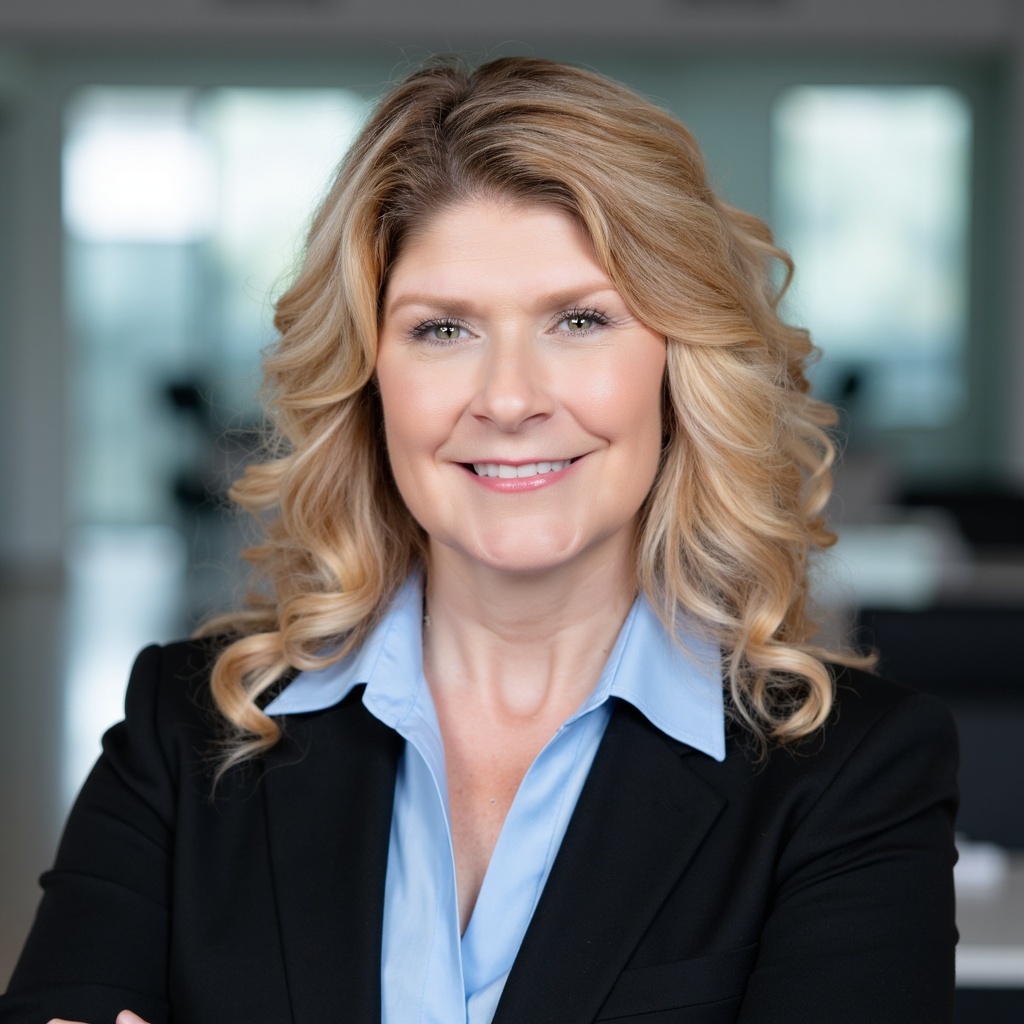
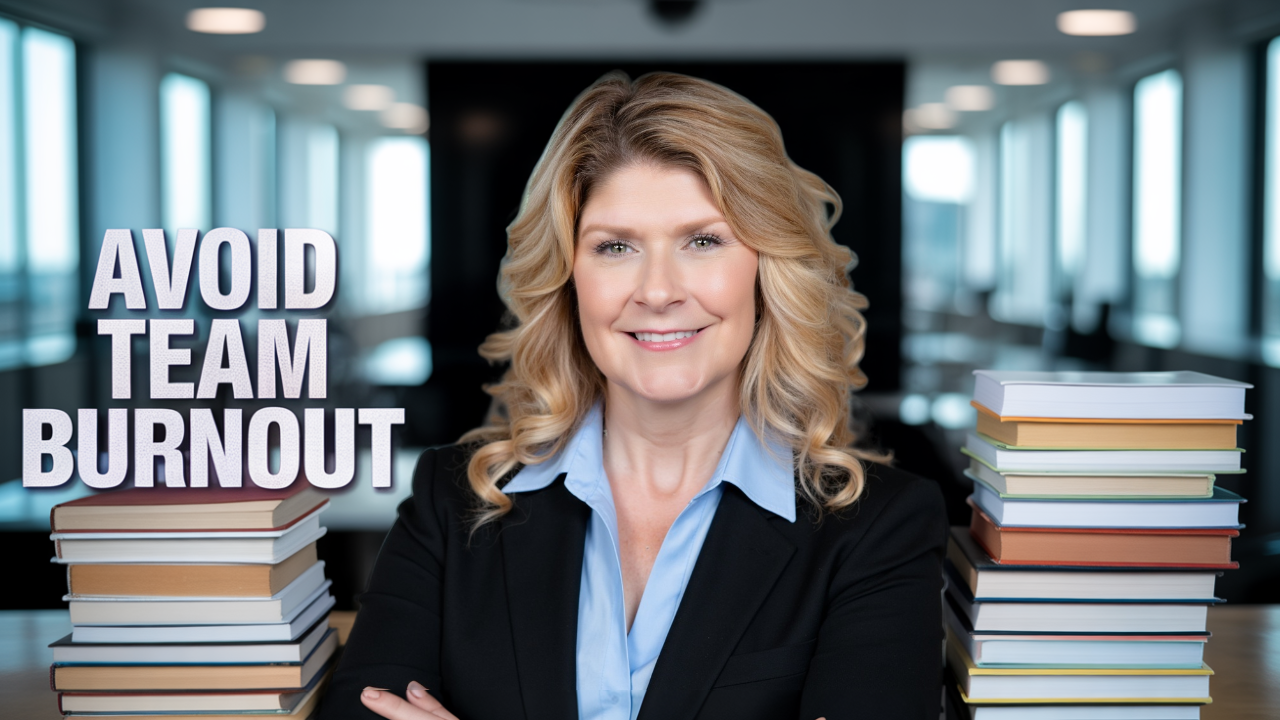
When you care for yourself first, you enhance your ability to care for others.
– Dr. Rhonda Parmer
In today’s fast-paced world, leaders are often expected to deliver results while maintaining morale, fostering innovation, and ensuring the well-being of their teams. Balancing all of these demands can be overwhelming, leading many to feel stretched too thin or stuck in a cycle of constant problem-solving without real progress. Dr. Rhonda Parmer knows this struggle well. With over three decades in public education, culminating in her role as an Associate Superintendent, she has dedicated her career to guiding leaders toward sustainable success without sacrificing the human element. Her approach is rooted in the belief that confidence, clarity, and genuine connection are the cornerstones of effective leadership.
Now an executive coach, Dr. Parmer has distilled her years of experience into a proven methodology called the EASE Framework: a system designed to help leaders engage their teams, align strengths with goals, simplify processes, and empower people to take ownership. Drawing from her diverse background, which even includes race car driving and water skiing, she brings a unique energy and perspective to her work. In this interview with Stacey Chillemi, Dr. Parmer shares the insights, strategies, and real-life stories that have shaped her framework, offering practical tools any leader can apply to transform their team and organization.
Thank you so much for joining us! Our readers would love to get to know you a bit better. Can you tell us a bit about your backstory?
Thank you so much for having me, Stacey. I’ve spent 31 years in public education, starting as a teacher, then serving as an assistant principal, principal, and finally an Associate Superintendent. Over the years, I developed a passion for helping leaders grow; not just in skills, but in mindset, confidence, and ability to inspire others. When I retired from education, I transitioned into executive coaching, bringing those same principles into the business and nonprofit world. Outside of my professional work, I’m also a race car driver and water skier, and I find joy in seeking out adventure and new challenges. That mix of structure, discipline, and play is exactly what I aim to help my clients cultivate in their own leadership and lives.
What was the “aha” moment that shifted you from running school districts to mentoring leaders across industries?
It really began when I was a principal and was asked to mentor brand-new principals. I already loved teaching and working directly with students and teachers, but coaching leaders at my own level was a completely different experience — and I discovered I loved it just as much. I noticed a clear pattern across struggling organizations: the real issue wasn’t always resources or skill gaps; it was confidence and courage. Leaders needed someone to believe in them before they could fully believe in themselves. I realized that small mindset shifts could create massive changes in performance, not just for the leader but for the entire organization. That’s what planted the seeds for what would later become the EASE Framework.
You developed the EASE Framework. Can you walk us through what EASE stands for and why it’s in that order?
EASE stands for Engage, Align, Simplify, and Empower; and there’s a reason it flows in that sequence. Engage comes first because ownership drives commitment. When people feel like they’re part of the solution from the start, they’re invested in making it work. Align is about matching your vision, values, and strengths with your goals so everyone is working in the right role and toward the same mission. Simplify follows because complicated systems lead to burnout, wasted time, and miscommunication — streamlining processes makes everything predictable and cohesive. Finally, empower means giving people clarity and decision-making authority so they can take action without being micromanaged. The order matters because it builds a foundation of trust and clarity before handing over autonomy.
Leaders often freeze at execution. Which part of EASE helps them move forward quickly?
The Engage step is often where leaders find their momentum. Once I help them assess their own strengths and the strengths of their team, they choose the area they want to tackle first. This choice creates a sense of ownership right from the start, and it removes that paralysis of “Where do I begin?” I provide them with a straightforward, two-page framework for any task, from budgeting to creating improvement plans, so they have structure without being overwhelmed. We set clear deadlines and determine how I can hold them accountable, whether that’s through check-ins, reminders, or follow-up meetings. That blend of clarity, choice, and accountability keeps execution from stalling.
You’ve worked with beginning, mid-level, and senior leaders. How does your approach change for each?
With beginning leaders, the focus is on identifying the most urgent challenges and finding quick wins that build confidence. Sometimes that means listening to the team’s frustrations, then empowering them to lead the changes they’re most passionate about. For mid-level leaders, it’s often about creating boundaries and protecting their time; I teach them my “blocks, clocks, and socks” method to make sure they’re focusing on their most important work while maintaining personal balance. Senior leaders, on the other hand, are typically thinking about succession planning. With them, I focus on developing a strong leadership bench, training others to step up, and ensuring the organization thrives long after they’re gone.
What quick win gets skeptical team members leaning in?
A powerful starting point is guided self-reflection. I have leaders and their teams complete assessments or 360 reviews so we can uncover strengths and see where people’s roles might be out of alignment. It’s eye-opening when someone realizes they’re struggling not because they’re unqualified, but because their talents are better suited to a different role. That shift from “I’m failing” to “I’m in the wrong spot” can completely change a person’s engagement level. When leaders make even one small change based on those insights, skeptical team members often start leaning in because they can see that the process actually works.
How does EASE balance performance with well-being?
Well-being is built into the Simplify stage. By creating clear, predictable processes, leaders and their teams are freed from the chaos and stress of constantly putting out fires. This allows them to focus their energy on strategic thinking, innovation, and connection instead of survival mode. I also work with leaders to create wellness programs, recognize achievements, and foster a culture where taking care of yourself is seen as part of the job. When leaders and teams are healthy, they perform better — and they do it in a sustainable way.
New leaders struggle with delegation. How does EASE help?
Delegation isn’t about dumping work; it’s about developing people. I teach leaders to think in terms of the “Four D’s”: what only they can do, what can be scheduled, what can be handed to someone ready for it, and what can be taught to grow someone’s capabilities. When leaders delegate effectively, they’re not just freeing their own time… they’re increasing their team’s skills and confidence. I remind them that slower is often faster: taking the time to teach someone now means you won’t have to do that task yourself again later. And it’s amazing how often a team member will find a better, more efficient way to handle it.
Beyond the bottom line, what KPIs show EASE is working?
One of the best indicators is consistency in team engagement. I have clients start weekly leadership meetings using the EASE template, where they share wins, discuss where they’re stuck, and set commitments for the week ahead. Over time, this leads to higher task completion rates, stronger relationships, and increased retention. Another KPI is attendance and time-off patterns; when people are engaged and feel valued, they tend to use time off intentionally rather than as an escape from burnout. These are the kinds of cultural shifts that signal the framework is working.
How do you adapt EASE for vastly different industries?
The framework is people-focused, so it’s adaptable to any organization. Whether I’m working with a school, a bank, a nonprofit, or a faith-based organization, the process starts with the same questions: How do we engage your people? How do we align strengths with goals? Then we customize language, metrics, and processes to fit the industry. The surprising thing is how similar the challenges are across sectors; at the end of the day, it’s about people believing in themselves and in each other.
You’re a certified DISC consultant. How does this fit into EASE without turning into labels?
DISC is a powerful tool for understanding behavior and communication styles, and I integrate it into the Engage step. But I’m very clear with leaders: this is not about putting people in boxes. It’s about increasing self-awareness and learning how to work with different styles. I have each person read their full report and reflect on it before we discuss it as a team. The insights can open the door to deeper trust and understanding, but I also coach leaders on how to handle it if tensions arise, keeping the conversation productive rather than personal.
Before leaders inspire others, how should they apply EASE to themselves?
It starts with self-reflection and self-awareness. Leaders need to know their own strengths, share their stories, and be willing to learn from others. Vulnerability is key — when a leader opens up about why they do what they do, it builds trust and inspires their team. I also encourage leaders to stay curious; if you’re ever in a room where you feel like you’re the smartest person there, it’s time to find a new room. Growth never stops, and every person you meet can teach you something.
You also write children’s books. How do they tie into leadership?
My children’s series, Buster’s Tales, follows my husband’s childhood dog through adventures that each contain a leadership lesson. They’re designed to bring joy while modeling values like responsibility, teamwork, and perseverance. Each book ends with a leadership takeaway, a Bible verse, and activities that work for both kids and adults. I even use excerpts with my adult clients to illustrate principles in a fresh, relatable way. Sometimes a simple story about a dog can make a leadership concept click in a way a corporate case study never could.
What services do you currently offer?
I offer programs like the Five-Day Power Shift for leaders who want to quickly move from feeling stuck to accelerating their team’s performance. My Confidence Accelerator and 90-Day Power Shift Accelerator dive deeper, combining assessments, coaching, and team development. I also work one-on-one with clients to identify their leadership stage, clarify their mission, and create alignment throughout their organization. Every service is designed to bring clarity, strengthen culture, and help leaders achieve results without burning themselves or their teams out.
From today’s conversation, what’s the one thing you want readers to remember?
Take care of yourself first, because you can’t lead effectively if you’re running on empty. Serve your team, and they will serve you in return. Great leadership isn’t about doing everything yourself… it’s about believing in people until they believe in themselves. When you empower others to succeed, you create a ripple effect that transforms entire organizations.
How can our readers further follow your work online?
The best place to start is my website, rhondaparmer.com; Parmer rhymes with “farmer” but starts with a P. You can also connect with me on LinkedIn, Facebook, Instagram (@rhondaparmer), and X (@TheRhondaParmer).
Rhonda, this has been such an inspiring and eye-opening conversation. Thank you for sharing your framework, your stories, and your passion for empowering leaders.
Thank you, Stacey. It’s been an absolute joy to be here, and I’m so grateful for the chance to share these ideas with your audience.