

At some point, every founder hits the same invisible wall.
The business is growing. The team is expanding. By every external measure, things are working. But internally? You’re exhausted, stretched thin, and quietly terrified that the moment you step back, something will fall apart.
That fear is the natural byproduct of building something from nothing. You were the decision maker, the quality check, the person who knew every detail because you had to. But the habits that helped you survive the early days can quietly become the habits that limit your next chapter.
Scaling a company means scaling yourself, too. And that’s the part nobody warns you about.
The Control Trap
Founders don’t hold on because they’re stubborn. They hold on because they care. Every process, every client relationship, every hire — you built those. Loosening your grip on them feels less like delegation and more like abandonment.
But there’s a real cost to staying too close to execution for too long. Decision fatigue sets in. Your best people stop bringing you ideas because they’ve learned you’ll redo their work anyway. And you stop functioning as a leader because you’re too busy functioning as a doer.
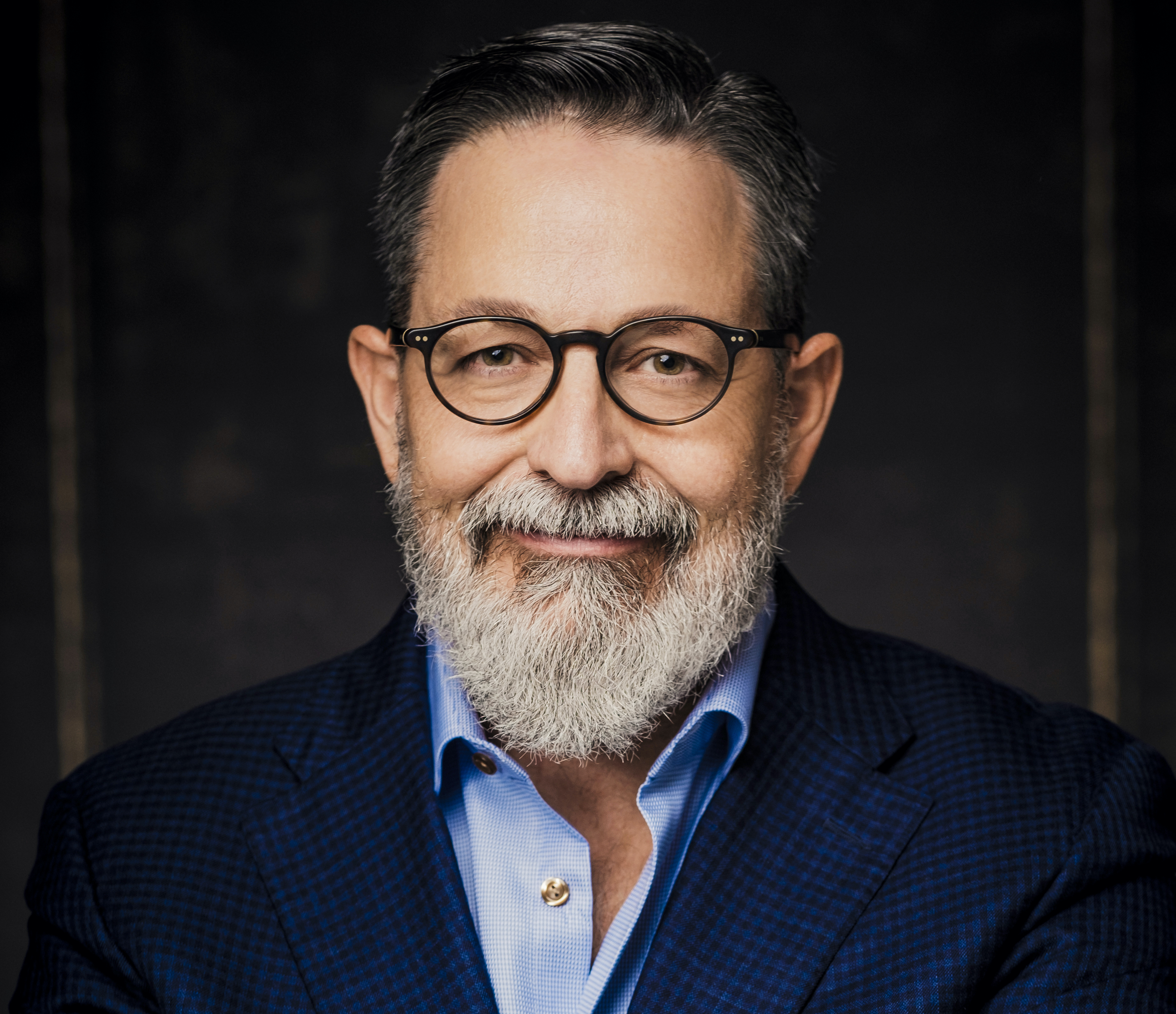
Matt Troha, vice president of AnswerHero, a call answering service that has navigated its own growth curve, knows this tension firsthand.
“As we continued to grow, we had to shift from being less involved in day-to-day execution to building a team and trusting them to own their work,” Troha said. “The hardest part was resisting the urge to step in, but that trust is what ultimately allowed us to grow.”
That last line is worth sitting with. The trust is the growth strategy, not a soft, feel-good addition to it.
What Delegation Actually Requires
Letting go doesn’t mean disappearing. It means doing the harder, less visible work of setting people up to succeed without you in the room.
That starts with clarity. Vague direction produces vague results, and vague results give founders every reason to take back control. When expectations are specific — when your team knows not just what to do but why it matters and how success gets measured — ownership becomes possible.
Troha put it simply: “We delegate by setting clear expectations and reinforcing a culture built on ownership and a constant drive to improve.”
Culture doesn’t happen by accident. It’s the accumulation of every decision you make about what gets rewarded, what gets corrected, and what gets ignored. Founders who scale sustainably tend to be the ones who invest in that culture deliberately, long before they feel ready to step back.
Redefining What Your Job Actually Is
One of the subtler shifts that comes with growing a business is realizing your job description has changed and accepting it.
In the early days, your value was execution. You shipped things, solved problems, wore every hat. But as a company matures, your highest value moves upstream: setting direction, building the right team, making fewer but more consequential decisions.
That transition doesn’t happen overnight, and it doesn’t always feel like progress. Stepping out of the daily flow can feel like losing relevance. But founders who make the shift successfully tend to describe the same realization: The business doesn’t need you to do everything. It needs you to make sure the right people can.
That’s a different kind of leadership, and honestly, a harder one. It asks you to find meaning in the outcomes your team creates, not just the work you do yourself.
Your Well-Being Is Part of the Strategy
Burnout doesn’t announce itself. It builds slowly, in the gap between what you’re giving and what you’re able to replenish.
Founders who stay too deep in execution for too long often pay for it personally before they ever see the business impact. Sleep and relationships suffer. The creative thinking that made you effective in the first place gets crowded out by an endless list of tasks that someone else could handle. Research from Fortune found that founders who struggled to maintain work-life boundaries were nearly three times more likely to experience high burnout than those who protected them, 67% versus 23%.
Sustainable leadership means treating your own capacity as a resource worth protecting, because a depleted founder makes worse decisions, misses bigger opportunities, and models exactly the wrong behavior for the team they’re trying to build.
Letting go, when done with intention, isn’t a weakness. It’s what makes the next stage of growth possible — for your company, and for you.