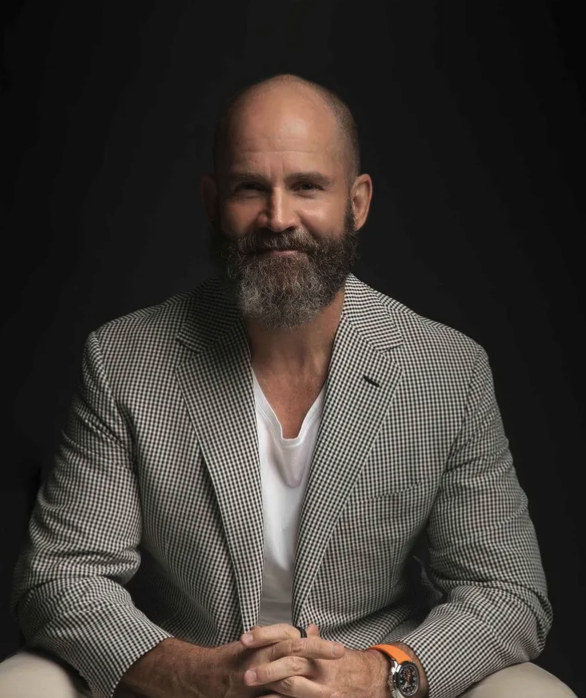
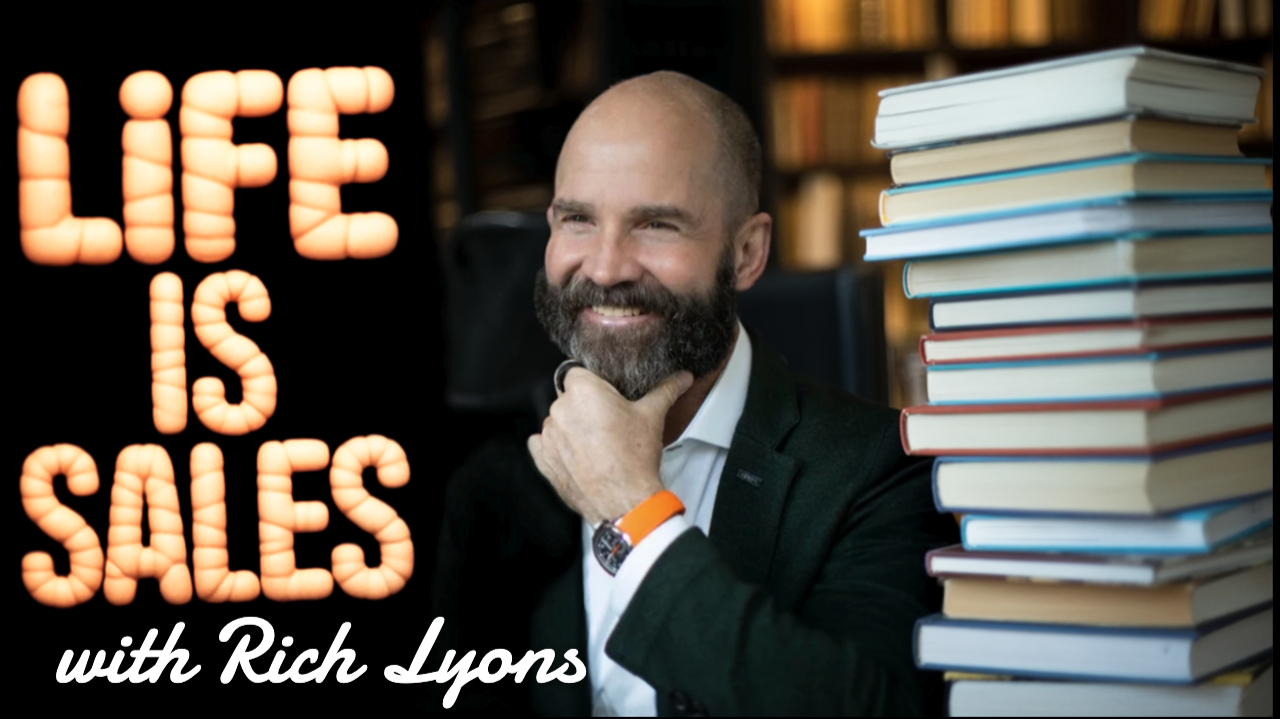
For many people, the word sales still carries a heavy charge—pressure, persuasion, and the uneasy feeling of being pushed toward a decision. But in a recent conversation on The Advisor with Stacey Chillemi, coach and leadership advisor Rich Lyons offered a reframing that feels both practical and quietly radical: sales, at its best, is simply the act of serving—of helping others see what’s possible and choose it for themselves.
Lyons’ perspective is shaped by a career that spans founding and selling a digital consulting firm, advising leaders, and teaching sales as a human skill rather than a transactional one. What emerged from the conversation wasn’t a set of tactics for closing deals, but a way of thinking about influence as something we practice every day—often without realizing it.
“Life is sales,” Lyons explained, not because everything is a pitch, but because we are constantly exchanging belief, confidence, and direction. Parents do it when they help children face a difficult day. Leaders do it when they hold a vision for a team during uncertainty. Friends do it when they remind each other of their capacity in moments of doubt.
From Awareness to Choice
A central theme in Lyons’ work is the idea that awareness alone isn’t enough. “Awareness without choice is trivia,” he said—a phrase that landed as both simple and sobering.
Most of us are reasonably aware of what we feel: stress, frustration, fear, excitement. But without a conscious decision about how to respond, those feelings can quietly run the show. Lyons described moments when he noticed himself entering meetings with tension that didn’t belong to the moment at all—residue from an earlier conversation or unmet expectation.
The shift comes from naming what’s happening internally and then choosing behavior aligned with purpose, rather than reaction. That choice, he noted, often needs to be made repeatedly. Awareness opens the door; choice is what moves us through it.
Selling Without Selling
Lyons challenges the idea that influence requires force. In his view, the most effective “sales” moments are grounded in curiosity and listening. Noticing a detail—a book on a shelf, a photo on a desk—can open a genuine conversation. When trust is built first, solutions land differently.
Equally important, he emphasized knowing when not to sell. If you can’t help someone, introducing them to someone who can is still an act of service—and one that builds credibility over time.
This service-first approach extends to metrics as well. Rather than fixating on outcomes alone, Lyons advocates tracking what’s actually controllable: personalized outreach, meaningful conversations, follow-ups that honor context. When results lag, these inputs provide clarity instead of self-blame.
Micro-Choices That Shape Momentum
One of the most practical insights from the conversation was Lyons’ focus on micro-choices—the small, often invisible decisions that shape momentum over time. Choosing to pause instead of react. Choosing to have a difficult conversation calmly. Choosing to follow up with intention rather than avoidance.
He described a simple rule for emotional processing: give yourself a few minutes to vent, then decide whether to act or let it go. The point isn’t suppression; it’s containment—holding emotional energy without letting it derail the moment.
In leadership and in life, he noted, decisiveness doesn’t require volume. Quiet clarity, paired with consistent action, often carries more weight than forceful persuasion.
Potential as Unused Capacity
Lyons offered a definition of potential that reframes underperformance without judgment: potential is simply unused capacity. Like an electrical circuit, energy flows where resistance is lowest. When attention is scattered across distractions and obligations that don’t align with purpose, capacity leaks away.
The work, then, isn’t about adding more effort, but about reducing resistance—removing what drains energy so it can be directed toward what matters most.
A Different Measure of Progress
Rather than chasing motivation, Lyons emphasized consistency. Small routines, tracked honestly, compound over time. Progress becomes less about mood and more about identity—who you choose to be, regardless of how you feel that day.
Across business, relationships, and personal growth, the message was consistent: influence rooted in service creates sustainable momentum. When awareness leads to choice, and choice is reinforced by simple systems, selling your life forward stops being a performance—and becomes a practice.
As Lyons put it, integrity has a way of showing up in the numbers eventually. The deeper work is choosing it first.