

What if the way we think about money is the very thing getting in the way of spending it well?
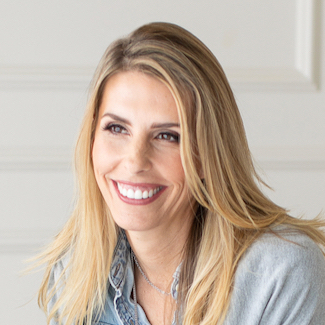
Morgan Housel is the New York Times Bestselling author of The Psychology of Money, The Art of Spending Money, and Same As Ever. His books have sold over 11 million copies and have been translated into more than 60 languages. Where his earlier work examined how we think and feel about wealth, his latest turns to the spending side of the equation: not how much we spend, but why, and whether those choices are actually making our lives better.
For the full interview, listen to our Evolving with Gratitude podcast episode here. Also available on your favorite podcast platform.
Why Spending Is Art, Not Science
A lot of financial advice fails people. Not because it’s wrong, but because it was never meant for them.
“A lot of bad financial problems in the world happen when you are following advice that is good for somebody else, but not for you,” Morgan says. The problem is treating money like a science, where there is “one right answer for everybody” regardless of your age, your history, or your season of life.
But people are not equations. “It’s an art because you have to figure out what works for you. Art is subjective. It’s different from person to person. It’s different from generation to generation. It’ll change throughout your own life.”
He offers a simple analogy: “If you thought about it like your taste in food, it would be ridiculous to say the formula for food is Mexican food is good, Italian food is not.” Spending is just like that: deeply personal, impossible to reduce to a formula.
Tool or Yardstick?
Every dollar we spend, Morgan argues, is doing one of two things. “It’s either utility or status. It’s either, is this a tool to actually feed your soul and live a better life, or is it a yardstick of status to measure yourself against others by?”
The desire to signal is human and inevitable. Morgan is clear about that. But he is equally clear about its limits: “I think we overestimate the happiness that we’re gonna get from status.”
The more important question is who we are actually trying to impress. “The kind of attention that I think really feeds people… is from your spouse, your children, your very close set of friends.” That circle is probably no more than a dozen people, and what they admire us for tends not to be status items.
Who do I want attention from and what are those people gonna give me attention for?
—Morgan Housel
Don’t Chase Happiness. Chase Contentment.
Even when we know the difference between utility and status, there is a subtler trap: chasing the wrong emotion.
“The emotion that a lot of us are trying to chase in life is happiness, but happiness is always a fleeting emotion.” Like laughter at a joke, it arrives and disappears. No purchase holds it for long.
Morgan shared a story that landed hard. On a family trip to Maui, standing on a balcony overlooking the water, he caught himself thinking about how nice it would be to come back next year. “You are here right now and all you can think about is coming back next year,” he reminded himself.
If we cannot be content where we are, more will never be enough. “That’s what I wanna get to in life. I wanna be content with what I have. Yes, I want nice things, but I wanna be content with those things.”
The emotion that you actually want to chase is not happiness, it’s contentment.
—Morgan Housel
What You’re Really Buying: Independence
If there is one idea Morgan would shout from the rooftops, it is this:
“I don’t really view it as saving money. I view it as purchasing independence. If I save a hundred dollars, I view it that as I just purchased a hundred dollars independence token.”
The benefit is not delayed. Having those independence tokens means waking up today with more freedom and more options. “I can do the work that I want. I can stop when I want. I can retire when I want.” That is not just a financial strategy. It is the definition of a rich life.
One question worth sitting with: Is what we are spending on right now buying us more freedom, or less?
In Bold Gratitude,
Lainie
Connect with and learn from Morgan Housel:
Website: morganhousel.com
Newsletter sign-up: morganhousel.substack.com/about
Books: The Art of Spending Money: Simple Choices for a Richer Life; The Psychology of Money
LinkedIn