“I spent decades believing my exhaustion was just the price of success, until I realized I was carrying a survival story that never belonged to me—and awareness was the moment everything finally began to change.”
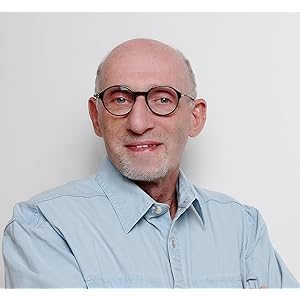
Burnout is often framed as a modern epidemic caused by overwork, poor boundaries, or an always-on culture. But what if exhaustion runs deeper than deadlines and demands? In this powerful conversation, Stacey Chillemi sits down with author and memoirist Willie Handler to explore a lesser-known, deeply personal source of chronic stress: generational trauma. Drawing from his lived experience as the son of Holocaust survivors, Willie reveals how unprocessed trauma can quietly shape emotional patterns, work habits, health, and identity—often without our awareness.
Through honest reflection and hard-won insight, Willie shares how decades of relentless drive, anxiety, and overachievement were rooted not in ambition, but in inherited survival instincts. His memoir, Out From the Shadows, becomes both a personal reckoning and a guidepost for others who feel exhausted without knowing why. This interview invites readers to look beyond surface-level burnout, offering a compassionate and eye-opening perspective on how awareness, healing, and self-permission can finally break cycles passed down for generations.
Thank you so much for joining us! Our readers would love to get to know you a bit better. Can you tell us a bit about your backstory?
Thank you, Stacey. My story is really shaped by my parents’ lives—both of them were Holocaust survivors, and my father in particular endured years in concentration camps as forced labor. Growing up, I didn’t have language for how that kind of history lives on inside a family, but I felt it. My parents were loving, but they were also consumed by survival—working constantly, trying to build stability, carrying a weight that was never fully spoken. I spent decades walking around with a sense of pressure and anxiety that felt “normal” to me, until I finally realized it wasn’t just my personality—it was something I was carrying.
How would you describe generational or intergenerational trauma in a way people can easily understand?
The simplest way I can explain it is this: a parent or grandparent lives through something truly traumatic, they survive, and that trauma changes them. It can alter their biology and their emotional patterns, and it gets passed down. Even if you weren’t there, it becomes part of you without your permission and without your awareness. People hear that and think, “How could something from World War II affect me?”—but it can, because the impact doesn’t end when the event ends. You can grow up reacting to the world through a survival lens without ever realizing why.
How can inherited trauma lead to burnout?
For me, it connected directly to my father’s survival strategy. In the camps, his work ethic wasn’t just a personality trait—it was what kept him alive, because the weaker workers were selected out and killed. That kind of terror and intensity doesn’t just disappear; it becomes embedded. What I inherited was this internal belief that I had to work extremely hard or something bad would happen. And when you live like that for years, it wears you down—your mind, your body, your sleep, your relationships. It’s not just “being busy.” It’s living as if your safety depends on constant output.
What did that look like for you in your work life?
It looked like never turning down a challenge, ever. If someone needed something, I was the person who raised my hand because I felt like I had to prove myself—constantly. I was always worried about my job, even when there was no rational reason to be worried. The irony is I was receiving awards and recognition while still walking around afraid I’d be fired. I wasn’t trying to prove anything to other people; I was trying to quiet something inside myself, and it doesn’t quiet easily.
What happens internally when you’re living in that kind of pressure for so long?
You get overstressed, exhausted, and you stop recovering. Sleep becomes harder, your body stays keyed up, and you start running on adrenaline instead of real energy. And then your health begins to pay the price—blood pressure, cholesterol, all of it. The body can handle short-term stress, but long-term stress is a different animal. It’s like your system is stuck in emergency mode and never gets the message that it’s safe again.
What are some subtle signs that burnout might be more than just “too much work”?
I’d say irritability is a big one—being short-tempered, snapping more easily, feeling like you have no patience left. You can also have trouble focusing, trouble thinking clearly, and a constant sense of exhaustion that doesn’t match what you’re doing. What’s tricky is none of these signs automatically point to trauma, especially if the trauma is inherited. You just think you’re tired, or stressed, or “that’s life.” But there’s a difference between being tired and feeling like you’re being driven by something you can’t turn off.
You also talked about work-life balance—yet still burning out. How does that happen?
That’s the trap I fell into. I believed in work-life balance, so I worked my butt off at work—and then I worked my butt off at home too. I did everything: family responsibilities, community volunteering, constant activity. I told myself it was healthy because I had “both sides” of life covered, but neither side had actual rest. It was total overdrive dressed up as balance, and that’s how a lot of people live without realizing it.
How does growing up with a parent who lived through trauma shape perfectionism and responsibility?
In my case, it wasn’t that my father modeled perfectionism—he actually wasn’t that involved emotionally, because he was a workaholic and often came home drained and irritable. But inside my own mind, I built a rule: if I don’t do things perfectly, I’m at risk. It’s not logical, but trauma rarely is. And that kind of internal rule affects everything—your output, your quality standards, the way you judge yourself, and the way you feel when you’re not doing “enough.” You become driven in ways that don’t match the reality of your life.
You’ve also described a need to work hard but avoid being seen. Where does that come from?
That’s one of the more complicated pieces for me. Part of surviving a terrifying environment is working hard enough to stay alive, but also not being noticed too much, because attention can be dangerous. So you end up with this strange combination: you produce, you overproduce, but you don’t want the spotlight. In my work life, I did so much—but I didn’t want to be in the limelight. And that’s part of why my memoir is titled Out From the Shadows, because healing required me to stop hiding and start stepping forward.
Why do so many people push themselves past the breaking point without understanding what’s underneath?
A lot of people—especially men—are trained not to talk about feelings. Instead of saying, “I’m overwhelmed” or “I’m exhausted,” they shut it down and keep going. They block the emotions, they deny the symptoms, and after a while they don’t even recognize what’s happening to them. Then one day they’re in a doctor’s office and the numbers don’t look good—blood pressure, cholesterol, warning signs everywhere. Your body keeps the score, whether you acknowledge it or not.
How does stress affect hormones and energy over time?
Stress suppresses hormone production, and the longer the stress lasts, the longer things stay shut down. Your body is designed to prioritize survival in danger, so it reallocates resources. But chronic stress isn’t a short emergency—it becomes your baseline. For men, testosterone can drop significantly, and you really feel that. You might be 40, but feel like you’re 70, because your body is depleted and your system has been running on fumes.
What was the moment you realized, “This isn’t just me—this is inherited”?
It wasn’t a single moment in a doctor’s office. It was more like I started crashing emotionally, and I knew something had to change. I sought out a therapist who could help me, and it was through that safe space—opening up, unpacking patterns—that the pieces came together. I realized I had intergenerational trauma, chronic stress, high anxiety, and suddenly my physical symptoms made sense too. It’s like you finally get a map to a maze you’ve been trapped in your whole life. Once you understand why you’re doing what you’re doing, you actually have a chance to change it.
What happens when someone doesn’t recognize these patterns?
They keep repeating them—and often they blame the job, the boss, the circumstances. They switch jobs and think it will fix everything, but nothing changes because the source isn’t external. It’s coming from within. If you don’t see that, it’s like living in a house of horrors—banging into walls, looking for an exit, and never realizing you’re the one who has to change the way you move through the house. Awareness is what turns the lights on.
How did writing Out From the Shadows shift your understanding of your own emotional landscape?
Writing the memoir was a big part of my healing, because it forced me to look closely at my life and ask hard questions. I call it an investigative memoir because it required soul searching and research—it wasn’t just storytelling. I had to describe what my intergenerational trauma looked like in real life, and that’s where readers often connect with it. Many people tell me they recognize themselves in the patterns I describe. And even now, I’m still learning—this isn’t a one-and-done process. The more you learn, the more you can adjust and live differently.
Is healing more about removing stress, or understanding where it came from?
In a way, it’s both. Stress is stress—your body experiences it the same way regardless of the source. But understanding the “why” matters because it changes how you respond. Therapy helped me identify what was driving my behavior, and that allowed me to start making different choices. It’s not your boss doing this to you. It’s what you’re doing to yourself—and once you recognize that, you can slow down, set a healthier pace, and still contribute without trying to destroy yourself.
What tools have been most helpful for you personally?
Therapy has been huge for me, no question. I tend to overthink, and I would leave sessions processing everything—what I learned, why I react the way I do, and what I’m going to change. That reflection is essential, because if you never stop to examine your behavior, you’ll just keep doing what you’ve always done. I had a conversation with my therapist recently about how I still take on too much, and she asked me a simple question: “What would really happen if you said no?” Rationally, I know nothing terrible would happen—but emotionally, that old survival fear still tries to argue otherwise.
Have you actually practiced saying no in real life?
Yes—and that’s been a big step. Just recently, someone reached out wanting to interview me for an article, and I said no. I told them I’m taking time off from those kinds of commitments and that they can reach out again in the new year. There was a time when I wouldn’t have been able to do that. But saying no is a form of reclaiming yourself—your energy, your health, your life.
How do you think about prioritizing career without losing yourself in it?
People confuse themselves with their career, and that’s a mistake. Your career is in you—it’s not the thing that owns you. When you think you’re prioritizing your career by overworking, you’re often doing the opposite of prioritizing yourself. The goal is to make your career work while still feeling good about who you are and how you live. That takes rethinking, and sometimes it means learning to delegate, or if you can’t delegate, learning to say no.
Why was delegating and asking for help so difficult for you?
Because I grew up learning to handle everything alone. My parents were working constantly and weren’t there emotionally, and I made decisions early without support. As a result, I never learned how to ask for help—and I also didn’t trust easily, which I think I inherited from my father. In a work setting, I’d look at a task and think, “I can do it better, faster, so I’ll just do it.” And I did—until I realized I was carrying an entire department’s worth of pressure on my own shoulders. When I left that job and they replaced me, the new person hired more staff immediately, and that told me everything.
What gives you hope about the next generation healing generational trauma?
I’ve interviewed people with intergenerational trauma from ages 22 to 78, so it spans generations. But I do think younger generations—millennials especially—are more in touch with their emotions and more open to examining their lives. Some older people aren’t interested in changing, even when they’re suffering, and that’s unfortunate. But I believe it’s never too late to heal. I’m 72, and I still believe that. You can live the rest of your life healthier and happier, and that matters.
What do you hope people take away from your work and your memoir?
I’ve had a good life, and I’ve had success, and I have a family I love. The book is a legacy, and I’m proud of it. But I also know life could have been lighter—healthier—if I had understood these patterns earlier. What I want now is to help others see what’s driving them, so they can be successful and happy and healthy. Success isn’t mutually exclusive with well-being, but you have to choose it. And sometimes the first choice is simply looking at your family history with honesty and asking what you’ve been carrying.
If someone feels exhausted and doesn’t know why, what would you tell them?
I’d tell them to speak to their healthcare provider and be blunt and honest about what they’re feeling. Don’t minimize it, and don’t try to tough it out alone. A healthcare provider can help connect you with someone—like a therapist—who can help you understand what’s really happening. The point is to start learning about yourself, because that’s where change begins. You don’t have to stay stuck in that cycle.
How can our readers further follow your work online?
My memoir is available on Amazon, and it’s titled Out From the Shadows. I’m also active on social media, and I share a lot of writing and reflection there. My website is williehandler.com, and I also write on Substack—if you search for my name on Substack, you’ll find essays I’ve written on many topics, including trauma. I welcome people to subscribe, and I send a monthly newsletter with updates, interviews, and information about online and in-person presentations.
Thank you so much for being here and sharing your story in such a real, grounded way.
Thank you, Stacey. I truly appreciate you having me on and creating space for a conversation like this. It was a pleasure speaking with you, and I’m grateful for the chance to share what I’ve learned.