
At some point, we all have to overcome our childhood in order to get on with our lives. It is, I believe, the most important journey we can take — and the one that will most shape who we become.
A dear friend once shared his childhood hurts with me — a long and painful list. When I asked how he had moved through all of it, he said something I’ve never forgotten: “You’re not responsible for what happens to you as a child. But you are responsible to heal it as an adult.”
That sentence changed something in me. Because so many of us are still waiting for someone else — a parent, a partner, the world — to make it right. But the healing is ours to do. And it is absolutely possible.
When we look back on childhood, many of us find a mix: sweet memories alongside ones that carry hurt, pain, or trauma. Whatever kind of childhood we had, at some point in our adult lives we must find the courage to examine it honestly — to see how it has shaped us, learn from it, forgive what needs forgiving, and move through it. That moving through is crucial. Not just for our well-being, but for our full maturation as human beings.
There is no such thing as a perfect parent. Even the most loving parents carry their own conditioning, their own wounds, their own unfinished stories. Understanding what our parents went through — what made them who they were — is one of the most powerful things we can do. It opens our hearts. It makes forgiveness possible. It replaces blame with compassion.
My own parents loved me deeply. And they were deeply flawed — as all humans are.
My father was a brilliant man: an economist, a journalist, a powerful presence. He was also a man who had been captured by the Germans during the occupation of Athens, placed in a concentration camp at twenty-five, and held for eighteen months. He survived. But he carried the unbearable wound of that cruelty for the rest of his life. My mother was brilliant in her own right — a woman of indomitable spirit who served with the Red Cross during the war. When they found each other after all of that, they fell madly in love.
But my father, having so relished his freedom after imprisonment, was deeply reluctant to be confined by marriage. He felt trapped. He acted out. Affairs, erratic behavior, gambling. When my mother could no longer endure it, she left. And when she did, I felt like the light went out.
I was overwhelmed with sadness. I missed my father terribly and could feel his pain. I felt my mother’s heartache too. I was powerless — a child longing to bring them back together, wishing I could heal what I could not heal.
But their hurt wasn’t mine to heal. What I needed to heal was my own unanswered question: how could a love so enormous go so wrong and cause so much pain?
It took years. But eventually I came to understand something that set me free: they never stopped loving each other. As my father survived the camps, and my mother survived his infidelities, I survived bearing the weight of their pain. And love — beneath all of it — never actually left.
Before my father passed, I witnessed him take my mother’s hands, tears streaming down his face, and ask her forgiveness. Perhaps they had to go through all of that tumult to arrive at that one glorious moment of opening. It brought healing to all of us.
Whatever your childhood looked like — parents who were wonderful but set an impossible standard, a sibling who got more attention, a mother who was depressed, a father who was absent or cruel, a home that felt unsafe — you have a choice about what you do with it now.
You can use it as an explanation for why things go wrong. Or you can, as Carl Jung invites us, choose what you want to become.
What if everything that happened in your childhood was perfectly designed to help you grow, evolve, and learn? Believing that — truly believing it — takes us out of victimhood and gives us back our power. It doesn’t minimize what happened. It transforms what it means.
Your parents are two of your most valuable teachers, no matter who they were or what they did. The day you can see that — the day you begin to choose what to learn from them rather than what to blame them for — is the day something profound shifts. Healing begins. And you discover that love doesn’t just survive. It triumphs.
Four Practices to Try This Week
1. Make two lists. Write down everything you’re grateful for that your mother and father gave you. Then write down everything you wished you’d received but didn’t. Look at both lists with understanding and compassion. See if there is a hidden blessing beneath the difficulty.
2. Write the letters. Connect with the child inside you. If there is hurt, disappointment, or unexpressed love still living there, write a letter to your mother and your father. Then write a letter to yourself — from your own higher perspective, as if you were the loving parent of that little boy or girl. Give yourself the compassion you may not have received.
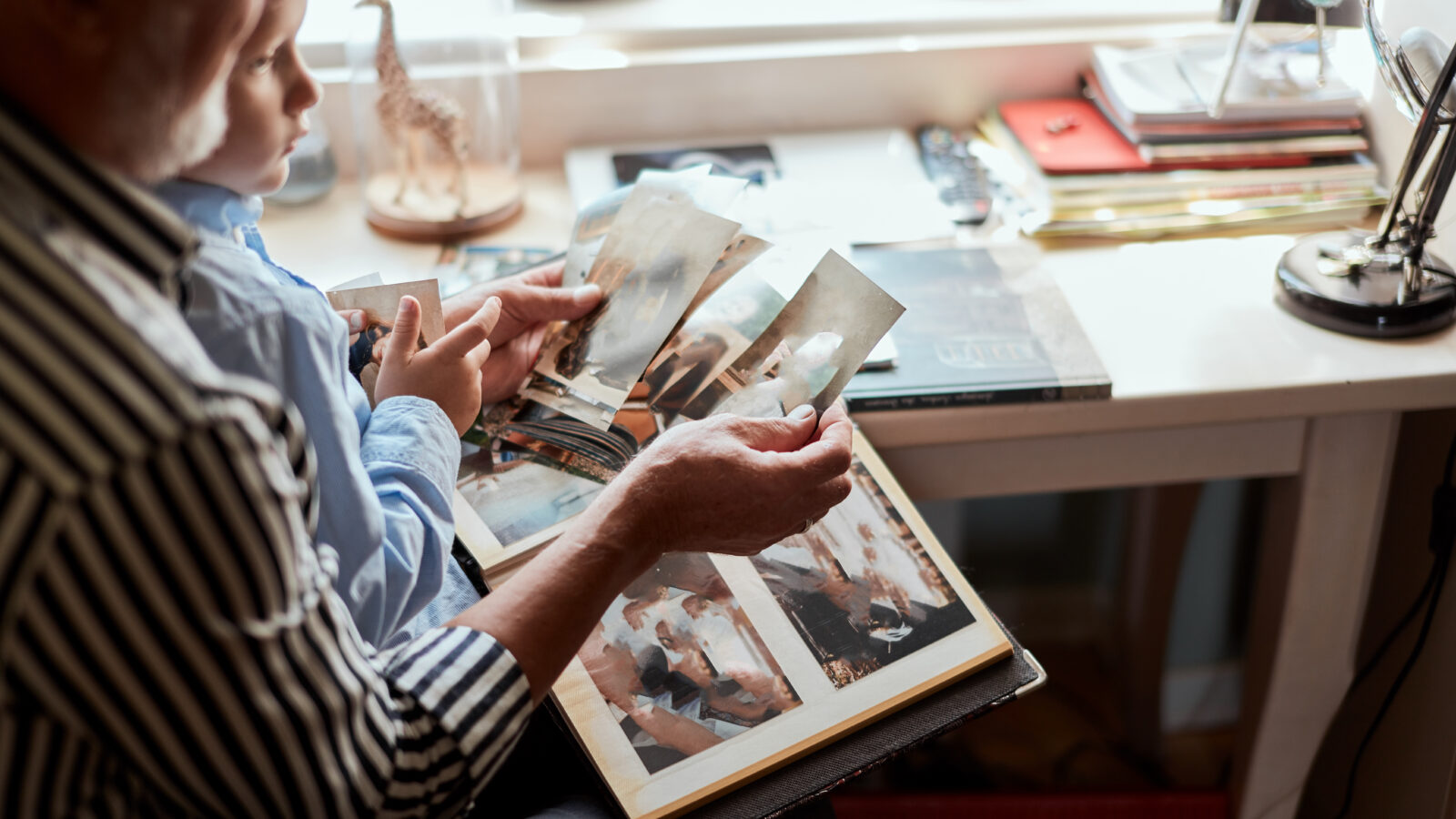
3. Find the photographs. Find a picture of yourself as a child, and a picture of your parents. For the next month, send loving thoughts to yourself and to them daily. This is one of the most powerful ways I know to begin healing the inner family.
4. If you were lucky. If you had loving, wonderful parents and want to honor that — give them the greatest gift of all: your time and full presence. Not a text, not flowers (though those are lovely too). Quality time. Moments you will both carry forever.
You are not what happened to you. You are not the sadness you carried as a child, or the wound that was never named, or the love that came in incomplete forms.
You are what you choose to become. And the choosing — the courageous, tender, daily choosing — begins the moment you decide that your childhood is something to learn from, not something to be imprisoned by.
Give yourself permission to let go. To forgive. To love. The freedom waiting on the other side of that is more beautiful than you can imagine from here.
Agapi Stassinopoulos is a best-selling author and speaker. This post is adapted from Chapter 11 of her book Wake Up to the Joy of You (Harmony Books).