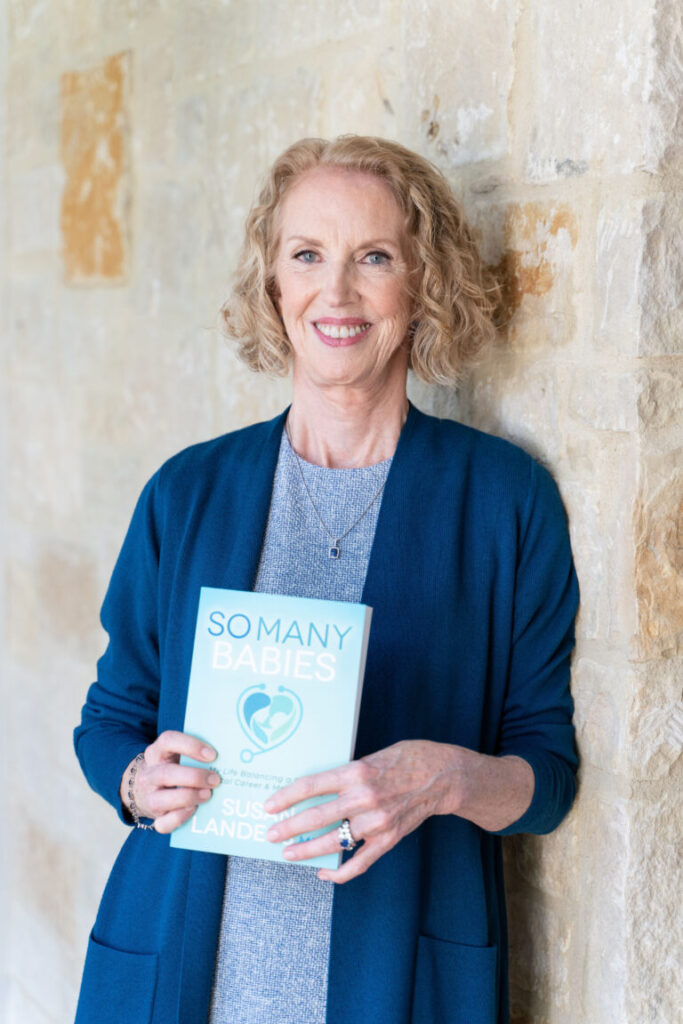

“RSV is serious, but parents are far from powerless. With the right information and today’s preventive tools, we can protect even our most vulnerable infants—and give families the confidence and calm they desperately need during those early, fragile months.”
— Dr. Susan Landers
RSV in Infants: What Every Parent Needs to Know—and How New Prevention Options Are Changing the Story
Respiratory Syncytial Virus, more commonly known as RSV, has become one of the most serious and emotionally charged health concerns for parents of newborns. While RSV is often little more than a cold for adults and older children, it can be life-threatening for infants—especially those under six months of age or born prematurely.
Each year, RSV sends thousands of babies to the hospital, often progressing rapidly from mild congestion to severe breathing distress. For parents, the uncertainty can be terrifying: Is this just a cold, or something more? When should you worry? And how can you protect a newborn whose immune system is still developing?
According to neonatologist Dr. Susan Landers, MD—who spent more than 30 years caring for critically ill and premature infants in the NICU—the most important shift happening right now is not fear, but prevention.
Why RSV Is So Dangerous for Babies
RSV is a highly contagious respiratory virus that infects nearly all children by age two. The danger lies in how infants’ bodies respond.
“Babies have very small airways and immature lungs,” Dr. Landers explains. “When RSV moves into the lower respiratory tract, it can cause bronchiolitis or viral pneumonia. A virus that barely slows down an older sibling can overwhelm a baby in a matter of hours.”
Because infants can’t cough effectively, regulate their breathing well, or maintain hydration when breathing rapidly, RSV can quickly become a medical emergency.
Early Symptoms Can Look Deceptively Mild
RSV often begins like an ordinary cold:
- Runny nose
- Congestion
- Mild fever
- Fussiness
- Reduced feeding
What distinguishes RSV is how quickly symptoms can escalate. Parents should watch closely for warning signs that indicate the infection has moved into the lungs:
- Rapid or labored breathing
- Grunting with each breath
- Rib retractions (skin pulling in between the ribs or above the collarbone)
- Wheezing
- Poor feeding or refusal to eat
- Unusual sleepiness or decreased responsiveness
- Bluish color around lips or tongue (a medical emergency)
“When breathing becomes the work of the body, feeding stops,” Dr. Landers says. “That’s often when babies need hospital care.”
Why Premature Babies Face a Higher Risk
Premature infants remain especially vulnerable even after leaving the NICU. Many have underdeveloped lungs or residual respiratory issues that limit their ability to compensate during infection.
“For preemies, RSV can mean oxygen support, feeding tubes, or even mechanical ventilation,” Dr. Landers notes. “Their margin for safety is much smaller.”
That said, full-term babies—especially under six months—can also become very sick, which is why RSV prevention now extends beyond high-risk infants.
When to Call the Doctor—and When to Go to the ER
Parents should contact their pediatrician if symptoms are mild but concerning. However, emergency care is needed immediately if a baby:
- Struggles to breathe
- Stops feeding
- Turns blue around the lips or tongue
- Has pauses in breathing
- Appears lethargic or unusually difficult to wake
“Trust your instincts,” Dr. Landers emphasizes. “It’s always better to be evaluated early.”
RSV Treatment Focuses on Support—Not Cures
There is no medication that cures RSV once a baby is infected. Hospital treatment focuses on supportive care:
- IV fluids or tube feedings
- Supplemental oxygen
- Respiratory support in severe cases
“For parents, watching your baby struggle to breathe is one of the most frightening experiences imaginable,” Dr. Landers says. “That’s why prevention is so powerful.”
A Breakthrough in RSV Prevention: Nirsevimab (Beyfortus)
One of the most important advances in infant health is nirsevimab, marketed as Beyfortus.
This monoclonal antibody provides immediate, long-lasting protection against RSV with a single injection that covers the entire RSV season.
- Recommended for all infants under 8 months during the RSV season
- Especially critical for premature and high-risk infants
- Reduces RSV hospitalizations by approximately 80%
“This is a game-changer,” Dr. Landers says. “For the first time, we can prevent severe RSV in most babies—not just treat it after the fact.”
Maternal RSV Vaccination: Protection Before Birth
Another major advancement is Abrysvo, the RSV vaccine given to pregnant women between 32 and 36 weeks during RSV season.
The vaccine allows mothers to pass protective antibodies to their babies before birth, shielding infants during their most vulnerable first months of life.
“It protects both mother and baby,” Dr. Landers explains. “Babies are born with antibodies already in place.”
Breastfeeding Adds an Extra Layer of Defense
Breast milk provides immune protection, including antibodies that help reduce the severity of respiratory infections. While not a replacement for medical prevention, breastfeeding offers meaningful support to an infant’s developing immune system.
RSV Is a Family Illness—Not Just a Baby’s
RSV often enters households through older siblings or adults who feel only mildly ill. During RSV season (typically October through March), families should:
- Wash hands frequently
- Limit exposure to sick visitors
- Avoid crowded indoor spaces when possible
- Be especially cautious with newborns
“Adults may feel fine,” Dr. Landers says, “but they can still pass RSV to a baby who becomes dangerously ill.”
Prevention Is Power
Dr. Landers has seen RSV from every angle—as a physician, a mother, and now a grandmother. She believes today’s parents are more empowered than ever.
“RSV is serious,” she says, “but parents are not powerless anymore. We finally have tools that save babies from suffering and families from fear.”
A Final Message for Parents
If there is one message Dr. Landers wants every parent to hear, it’s this:
“Ask questions. Use the protection that’s available. And take care of yourself, too—because your well-being is part of your baby’s health.”