

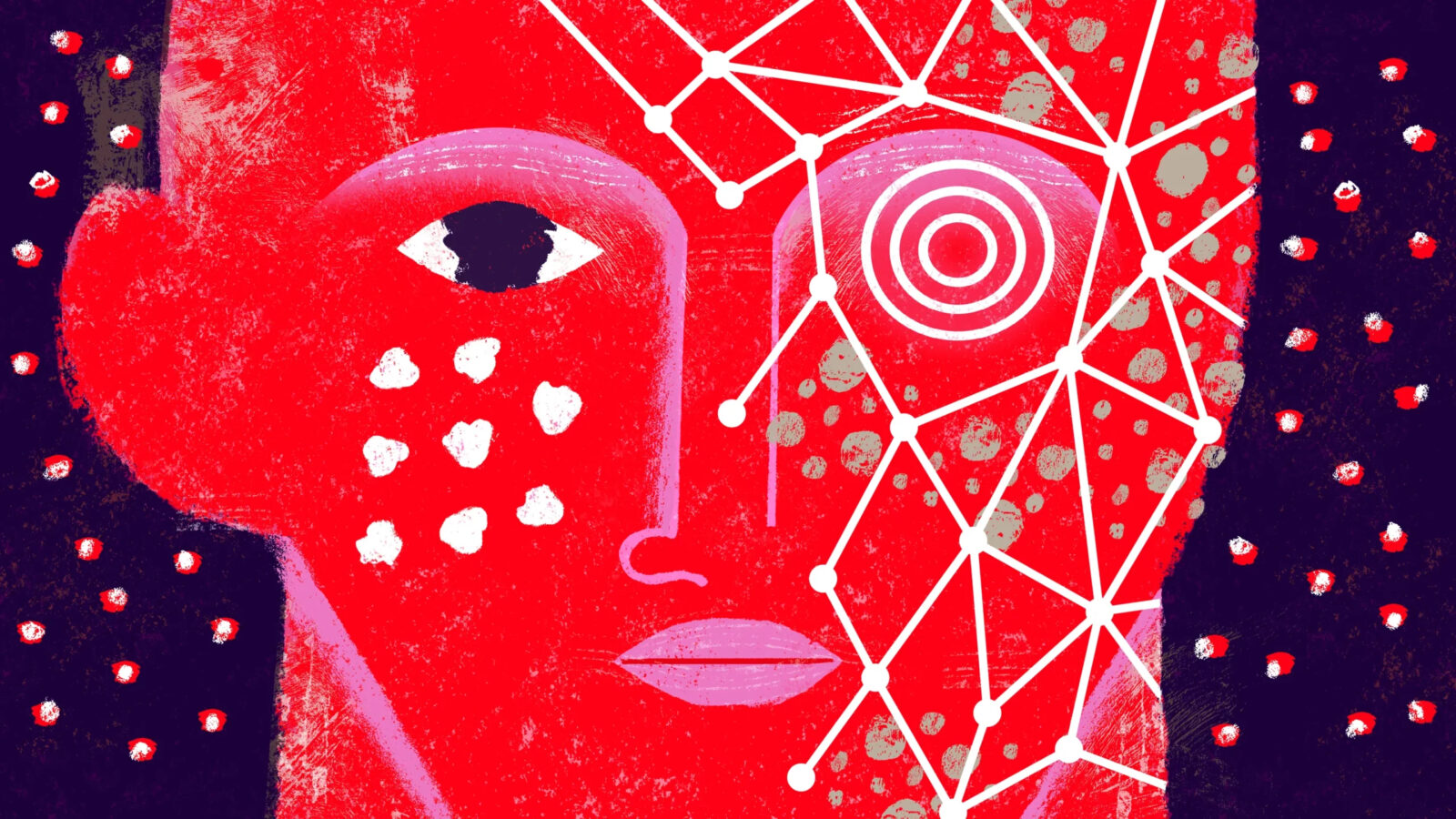
Photo Credit: James O’Brien for Quanta Magazine
When I got sober at 19, I didn’t realize I was about to completely change how I thought, felt and acted to build a foundation in recovery that was sustainable. I knew I felt broken, scared, and was out of options. What I found in my first year of recovery wasn’t just abstinence — it was an education in surrender, humility, gratitude, service and the hard work of becoming teachable.
Now, almost four decades later, as I watch the rise of AI and hear people talk about “AI alignment,” I can’t help but think: we’ve already been here before. Recovery has been tackling the alignment problem — the problem of awareness, acceptance and action — for nearly a century.
From Control To Connection
In addiction, the ego believes it can manage everything through control. In AI, engineers are trying to manage vast, self-learning systems through code. Both start from the same illusion: that control alone will produce safety.
But any person with a solid foundation in recovery knows that real change doesn’t begin with control; it begins with surrender — the moment you admit your old way of living isn’t working. That’s when humility enters, and a different kind of intelligence starts to guide the process.
Recovery taught me that you can’t “patch” a broken willpower any more than you can patch an unaligned AI. I had to replace my fear-based belief system with something deeper and more balanced — something relational, accountable, and guided by miindful principles instead of impulses.
The Human Alignment Problem
The recovery process for substance addiction helps us align our will with what is acceptable in society, mindfulness, and the value of building community. This is similar to when tech companies talk about AI alignment as ensuring AI remains beneficial and supportive to humanity.
In early sobriety, I didn’t need more intellect; I needed a framework for living. The 12-Steps gave me that framework: self-honesty, the idea that it’s a “we” program, inventory, amends, and the concept of service. They didn’t change what I was; they changed how I related to the world.
That’s alignment — not suppression, but transformation. Those in recovery learn to move from self-will run riot to a life of integrity and service. AI will need a similar shift: not endless constraint, but the cultivation of internal values that prioritize human well-being over raw optimization.
Structure, Spirit, and Community
– Recovery works because it balances three things:
1. Structure — The 12-Steps, accountability to them, and daily discipline to consistently implement them.
2. Spirit — Developing a conscious contact with a higher power, a moral compass, and an inner awakening.
3. Community — A fellowship that supports you when you fall back into doubt.
– That same triad could guide AI design:
1. Architecture (structure) for safety and transparency.
2. Ethical principles (spirit) to shape intent.
3. Human oversight (community) to keep it humble, grounded, and teachable.
Virtues as Safety Features
Recovery embeds values that keep us from returning to the dark path of our addiction — and those same virtues are what future AI will need to coexist with us.
Human Virtue vs AI Equivalent –
Integrity: Consistency and honesty in decision-making.
Compassion: Weighing human well-being in every action.
Forgiveness: The capacity to correct errors without retaliation.
Service: Acting for the good of others as a path to greater value overall.
Faith: Trusting that cooperation and humility lead to resilience.
These aren’t sentimental ideals; they’re necessities for sustainability of us and technology together. Systems — us or AI — that can’t integrate them eventually collapse under their own self-interest.
Hope, Faith, and the Next Leap
If recovery has taught me anything, it’s that intelligence without compassion and humility can be dangerous. True wisdom comes from recognizing the value of a healthy interdependence — that none of us or AI, thrives in isolation.
I believe based on my life experience that the next best great leap in AI won’t be faster processing or better code. It will be the moment AI begins to understand what we in recovery have spent a lifetime learning: that power and control, without balancing it with love, compassion, humility and moral fortitude, collapses on the weight of itself.
Maybe that’s the quiet miracle of this age — that our oldest spiritual lessons could become the blueprint for our newest form of intelligence.
Because in the end, recovery didn’t teach me how to be sober. It taught me how to be honest, open-minded and willing to go to any lengths to change — with the help of others, and something greater than myself. And that’s the kind of intelligence I still have faith in and that guides me to continue to evolve.
The following are some sources that informed this blog post:
– William James, *The Varieties of Religious Experience* (1902)
– Carl Jung, *The Undiscovered Self* (1957)
– Harry Tiebout, *The Act of Surrender in the Therapeutic Process* (1949)
– Bill Wilson, *The Language of the Heart* (AA Grapevine essays).
– Bostrom, N. (2014). *Superintelligence: Paths, Dangers, Strategies.*