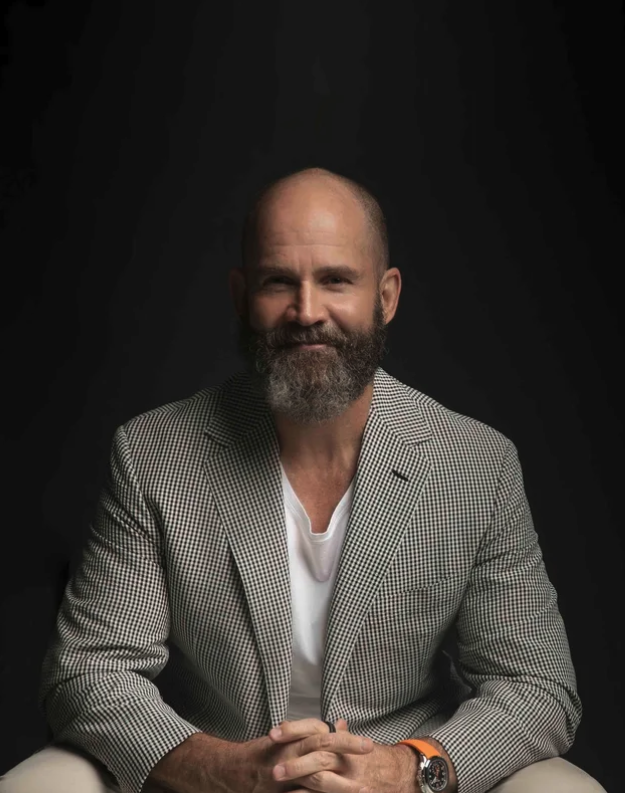

When you treat sales as service and show up to truly understand people, you’re not just closing deals… you’re helping others step into their potential.
– Rich Lyons
Sales is often misunderstood as persuasion, pressure, or performance. But what if real sales is something far more human—connection, clarity, and service?
In my conversation with Rich Lyons, CEO, speaker, and author of Life Is Sales, we explored a radical but practical reframe: every interaction is a form of sales—not because we’re manipulating people, but because we’re always influencing outcomes through our presence, our communication, and our intention. From parenting and leadership to relationships and emotional intelligence, Rich makes the case that “sales” is simply the daily practice of helping people move toward what matters—while staying grounded in integrity.
This interview goes beyond tactics. It’s about awareness, trust, vulnerability, and the quiet decisions that build strong relationships over time.
From Engineer to CEO: The Unexpected Path That Changed Everything
Rich describes himself as someone who started out highly rational—an electrical engineer wired for logic, problem-solving, and certainty. Early on, he carried a bias many high-achieving professionals quietly hold: sales felt “beneath” real business work.
But as he stepped into leadership and wanted to become a true businessperson, he realized something uncomfortable: if he couldn’t sell, he couldn’t lead at the highest level. That decision—moving from engineer to quota-carrying salesperson—became one of the most humbling and transformational seasons of his life.
Sales forced him into reality fast. In Rich’s words, you don’t get credit for “almost.” You either create the outcome or you don’t. That level of accountability didn’t just shape his career; it shaped his character.
What “Life Is Sales” Really Means
For Rich, “Life is Sales” doesn’t mean everyone is a salesperson by job title. It means:
- We’re always selling ideas, trust, and possibility
- We influence people consciously and unconsciously
- The most important “sales” in life happen in relationships
Rich saw this most clearly when he became a parent. Encouraging his daughters, reminding them of their potential, and helping them believe in themselves wasn’t “motivation”—it was influence. And influence, he argues, is sales in its most meaningful form.
The deeper shift is this: sales becomes powerful when it becomes service. Not “how do I get something from you?” but “how do I understand you, support you, and help you move forward?”
Why the Word “Sales” Triggers People
Rich believes the negative reaction to sales comes from two places:
- The stereotype: the pushy, self-serving person trying to get you to buy something you don’t want.
- Our subconscious beliefs about money and worth: many people hold quiet shame or discomfort around currency, and it gets projected onto “sales.”
But when you redefine sales as service + understanding + guidance, the entire meaning changes. You can sell and still be honest. You can influence and still be ethical. You can close outcomes without being pushy—because the goal becomes helping, not taking.
“I’m Not a Salesperson” — The Reframe That Makes It Click
Rich understands why engineers, technical professionals, and introverts reject the label. His bridge is simple:
Be customer-focused. Put yourself in someone else’s shoes.
That shift moves sales from performance to empathy. It becomes less about persuasion and more about understanding:
- What do they need?
- What matters to them?
- What’s the best next step for their life or business?
And sometimes, true service means saying: “I’m not the right fit—but I know someone who is.” That kind of honesty builds trust faster than any pitch ever could.
The Hidden Sales Skill That Improves Parenting, Leadership, and Relationships
When you treat interactions as meaningful, you become more intentional—and intentionality is what builds trust.
Rich points out that many people live in vague connection:
- “We should hang out sometime.”
- “Let’s talk soon.”
- “We’ll figure it out.”
But vague doesn’t build relationships. It fades.
A healthier version of “closing the deal” in everyday life is simply creating a real next step:
- “Want to grab coffee Tuesday at 10?”
- “Let’s pick a date now so we actually do it.”
- “Can I follow up next week?”
That’s not pressure. It’s respect. It turns connection into reality.
Quota Pressure, Fear, and Staying Authentic
Rich doesn’t pretend pressure disappears. When people are afraid of failing, losing their job, not providing, it’s easy to “perform” instead of connecting.
His distinction is sharp:
You can “shark” people… or you can serve them.
The internal work is learning to manage fear inside yourself so you don’t project it onto the person in front of you. Because when anxiety runs the room, people feel it. But when presence leads the room, trust grows.
The Most Underrated Sales Tool: Silence
One of Rich’s most practical teachings is deceptively simple:
Ask questions. Then stop talking.
Most people keep talking because they’re trying to control the moment. But anxiety-driven talking creates disconnection. Healthy silence creates space for truth.
When you listen deeply, you learn what matters. Then you can serve instead of perform.
Emotional Intelligence: The Core Skill Behind Great Sales and a Better Life
Rich sees empathy and emotional intelligence as the foundation of sustainable influence—and it begins with self-awareness.
He describes emotions like fear, hurt, anger, sadness, and joy as core drivers. Awareness doesn’t eliminate emotions—it gives you choice. When you can observe what you’re feeling without becoming it, you show up more calmly, listen more accurately, and respond more intentionally.
This is where sales becomes personal development: the better you know yourself, the better you can support others.
Trust as a Decision: Choosing Openness Over Guardedness
Rich shared a perspective that stands out in today’s suspicious culture: he chooses to live with trust as the default—even knowing he might get burned.
Why? Because guardedness shrinks life.
He’d rather be open, grounded, and capable of handling disappointment than live in constant protection. That mindset doesn’t just impact business outcomes—it shapes marriage, parenting, and leadership.
The First Step to Living This Way: Awareness in Small Moments
If someone wants to apply this today, Rich suggests starting simple:
Pick one emotion—like fear—and notice it throughout the day in small ways. Rate it 1–10. Observe where it shows up in your body. Do the same with hurt, anger, sadness, and joy over time.
You’re not trying to fix everything immediately. You’re building the muscle of awareness.
Because awareness creates choice—and choice creates a better life.
The One “Deal” Worth Closing Every Day
If life really is sales, Rich says the most important deal to close daily is this:
Make the people in your life feel loved.
Not through grand gestures, but through small, consistent moments:
- a text message
- eye contact
- a kind word
- holding hands
- showing up
Those are the interactions that build a meaningful life—one intentional “yes” at a time.