

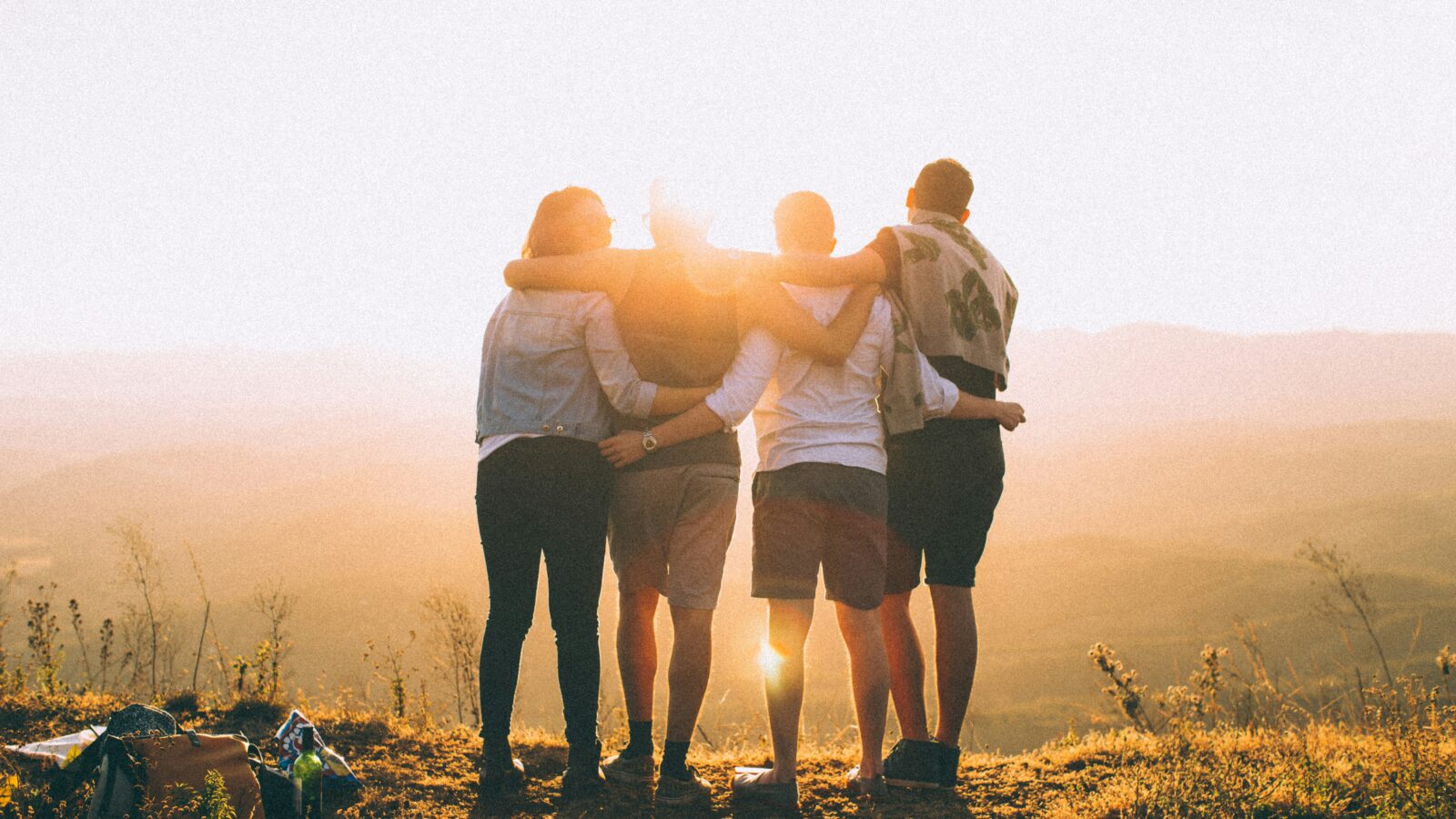
The Joy of Being Seen
Remember when social gatherings were just… social? You could spark a random conversation, walk away lighter, maybe even with a new perspective. In our post-pandemic life, we need more of those moments—no agendas, no screens, just human connection.
These days, even casual chats can feel like navigating a maze. Our reflex? Reaching for our phones like digital blankets—for comfort, distraction, or escape. But how often do those screens actually leave us feeling more connected?
Most of us rarely use our phones to call anymore. They’re mini-portals for late-night scrolling, texts, and endless feeds that interrupt sleep, erode real interaction, and disconnect us from fully being present in our relationships and daily experiences. Some people even flinch when the phone rings unexpectedly. Somewhere along the way, we rewired ourselves to avoid awkwardness—and lost the art of spontaneous connection.
Back in my so-called “dinosaur era,” people showed up unannounced, and you were usually happy about it. Now I check the doorbell camera first, only to find sales pitches or cookie sellers.
The irony? The very devices meant to connect us often leave us lonelier than ever.
Post-Pandemic Loneliness
The loneliness epidemic is hitting young people especially hard. Today’s teens are the most “connected” generation online, yet many report feeling deeply isolated. Some are even turning to AI chatbots for advice and companionship, a trend raising serious mental health concerns. (Business Insider, 2025)
Polls show Gen Z and millennial men reporting record-high loneliness (Economic Times, 2025). Troubling stories continue to surface—AI chatbots linked to teen suicides, eating disorders, and self-harm (USA Today, TIME, Washington Post).
“As the technology rapidly gets more sophisticated, teenagers and experts worry about AI’s potential to redefine human relationships and exacerbate crises of loneliness and youth mental health.” — AP News
Research confirms the pattern: pandemic-driven isolation fueled smartphone addiction, which in turn heightened loneliness and anxiety. A recent 2025 PNAS Nexus experiment found that blocking mobile internet for just two weeks significantly reduced device use and boosted well-being.
Even small breaks from screens can make a big difference.
Phone addiction isn’t just a behavioral hiccup—it hits emotionally too. A 2025 study found that college students hooked on their phones reported higher negative emotions and lower life satisfaction. Another 2024 study in Scientific Reports shows that depression, anxiety, and low self-esteem all predict heavier phone dependence.
True disconnection isn’t just about phone screens. A growing body of research shows that Western cultural individualism, “workism,” shrinking friend groups, and the loss of casual communal spaces all fuel loneliness, as mentioned in The Friendship Recession. Personality traits like introversion and declining mental health can amplify social isolation, a trend intensified post-pandemic. As a Time Magazine piece points out, rebuilding connection can be fostered in “third places”—those casual, in-person hangouts where people connect informally—and through social prescribing initiatives, which prioritize human interaction.
Our devices aren’t just tools —they quietly set the tone for our mood, self-worth, well-being, and even how connected we feel.
Why Social Health Matters
Humans are wired for connection. The Harvard Gazette notes that the strongest predictor of happiness and longevity isn’t wealth or success—it’s the quality of our relationships.
Screens can’t replicate the neurochemical magic of real interaction. Oxytocin, dopamine, serotonin—those feel-good chemicals surge when we connect face-to-face. Scrolling just doesn’t compare.
Social Prescribing: A Different Kind of Prescription
Enter social prescribing—where doctors recommend community, culture, or hobbies instead of just pills. Think art classes, gardening groups, or volunteering.
A 2025 study in BMC Primary Care showed that cultural activities in social prescribing reduced isolation and boosted well-being. From pottery workshops to book clubs, these experiences spark conversation, creativity, and connection.
Health isn’t only about the body—it’s about community and being seen.
What Gen Z Can Teach Us
Some Gen Zers are flipping the script by ditching smartphones for flip phones; it’s not nostalgia—it’s intentional. Less distraction, better sleep, lower anxiety (NBC Washington, The Guardian) and more presence in their lives.
The lesson? Being intentional with technology creates greater awareness of prioritizing well-being, while making stronger, real-world connections.
Reclaiming Real Connection
We need more tech-free spaces. Imagine potlucks where phones stay in a basket by the door, or art-and-conversation nights that feel like mini-getaways. Even Surgeon General Dr. Vivek Murthy has suggested shared meals, such as potluck dinners, as a powerful tool to build social connection and combat the loneliness epidemic (The New York Times 2024)
These small shifts give us the space to notice each other again.
4 Ways to Reclaim Your Social Health
- Practice “Tech Pauses.” During meals, coffee breaks, or chats—put the phone down. Pick up a hobby or attend events that require you to be fully present.
- Schedule Face-to-Face Time. Even a quick walk with a neighbor or coffee with a friend strengthens well-being. Feeling anxious about saying yes? Flip it—go anyway.
- Try a Mini Digital Detox. Block social media for a few hours—or a weekend—and notice how your mood shifts.
- Engage in Social Prescribing. Volunteer, join a hobby group, or try something new like a pottery class, or even learn to ride a Can-Am 3-Wheel motorcycle, like I did in 2022; it is a prescription with zero side effects – except for endless smiles and great adventures.
Moving Forward
We don’t need to ghost the modern world, but we do need to use tech intentionally and make room for genuine connection.
When we prioritize social health—especially through initiatives like social prescribing—we do more than survive post-pandemic life. We thrive.
And maybe, just maybe, we’ll remember the joy of truly being seen.
photo credit: Helena Lopes-Unsplash
Janeane Bernstein, EdD, is a journalist, author, and mental health advocate on a mission to tackle loneliness and help people reconnect—offline. She founded the Outside the Box Institute, a nonprofit driving research, education, and advocacy around isolation, and Outside the Box Series, a student-focused initiative with panels, workshops, and creative programs that spark connection, compassion, and creativity.
She’s the author of Better Humans – What the Mental Health Pandemic Teaches Us About Humanity and
Get the Funk Out! ^&*% Happens, What to Do Next!, offering hope, practical strategies, and a human perspective on navigating life’s challenges. A member of NAMI Westside Los Angeles, Women in Film, and the Academy of Television Arts & Sciences, Bernstein also follows her own “social prescription:” riding her Can-Am 3-Wheel motorcycle across Southern California, finding connection and joy along the way.