

After any kind of medical trauma, one of the first questions a patient inevitably asks me is “When will I feel like myself again?” To answer it I rely on my being a doctor first and a cardiologist second. After all, after a cardiac event people want assurances not only about heart health, but also about their health in general—physical, mental, spiritual. And as a doctor, I am concerned with the overall well-being of the person in front of me. My goal is to treat the person, not the body. And that means focusing on far more than the status of a single organ, no matter how essential that organ is to survival.
In my twenty-plus years as a doctor, I have noticed that something is missing in patient care: addressing mental health when we talk about physical health. The two are inextricably linked. I cannot tell you how many times I have entered an exam room to talk about heart failure or coronary artery disease and ended up talking about someone’s state of mind before we get to their symptoms of shortness of breath or chest pain, or how I instinctually take note of the levels of hope and despair in someone’s voice as much as their blood pressure or heart rate.
Believing you’re able to meet the challenge of something as traumatic as massive heart surgery—trauma akin to that of a physical assault, a natural disaster, or a terrorist attack—is as essential to survival as any number measured by science. Our ability to respond and recover from trauma has mental components, along with physical ones. Medical interventions and even serious diagnoses, too, are forms of trauma—which is not readily recognized—and for many patients a healthcare event can haunt or psychologically paralyze them. This is just one way that the connection between mind and body is not being appropriately addressed.
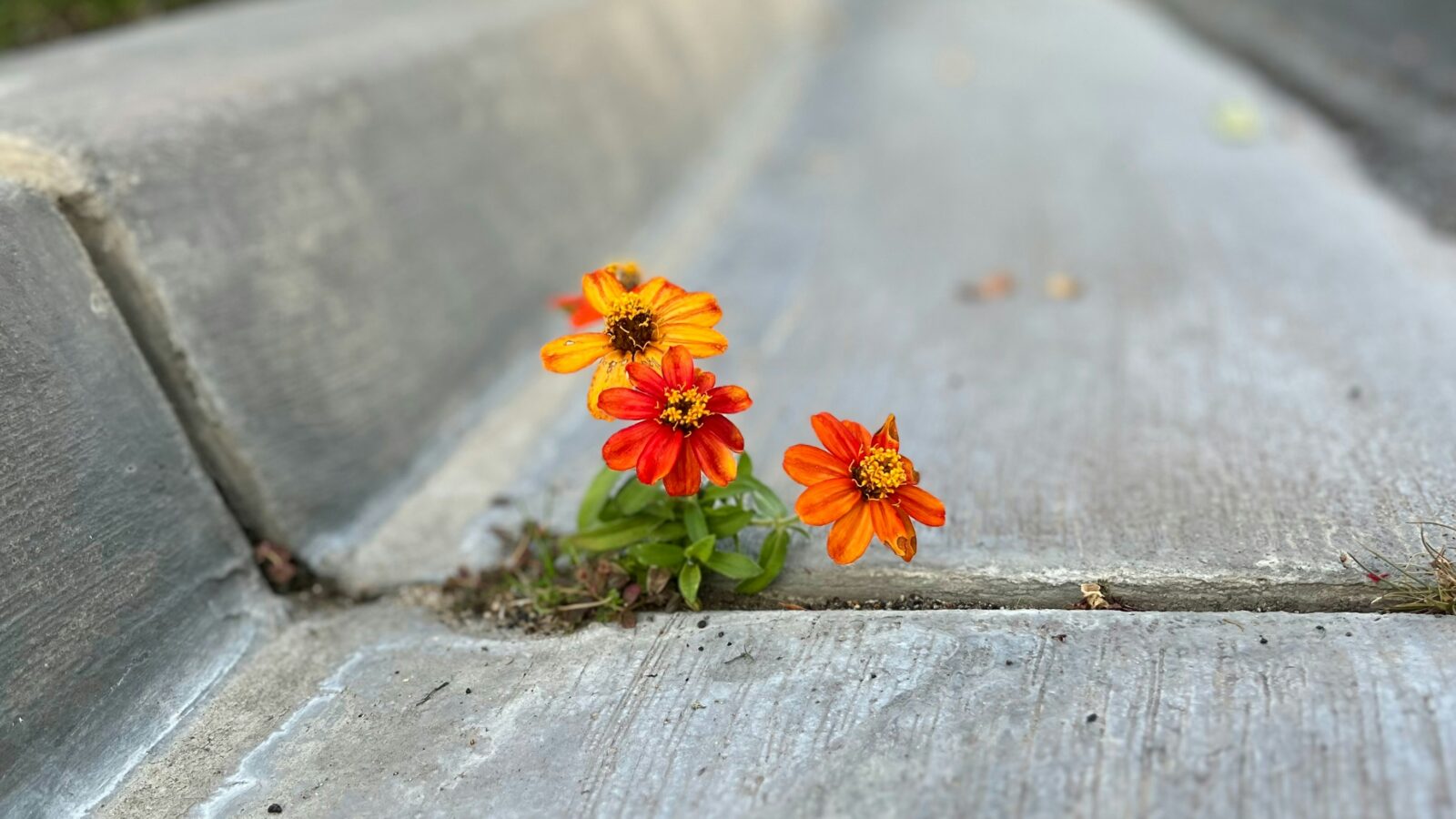
So when people ask, “When will I feel like myself again?” I answer them candidly, and I talk about their whole selves, not just their hearts. I tell them, you may not feel like your same self again. You may well feel differently, perhaps permanently—like a new version of yourself, and that’s not necessarily bad. You are starting a new chapter in a life that will be meaningful and happy, and perhaps even healthier than before. Again, it may be necessary to set a new baseline, with new expectations about what life will be like going forward. As we emerge from the challenges of life like the angel from the marble, we may look a bit different from what we previously imagined.
The mind is essential to supporting—and enhancing—the body’s resilience. I’ve come to believe, based on my experience, the experiences of my patients, and my many conversations with experts in the field of resilience, that these two types of resilience—one physical, the other psychological—are intertwined. When we cultivate both—our body’s resilience and our mind’s and spirit’s resilience—we position ourselves both to prevent the onset of illness or disease, and to restore our health when faced with either.
Based on my work as a doctor, a journalist, and a medical professional who has read widely in psychology and about health outcomes, I can confidently say that while there is a growing body of research on resilience, no one is putting all these elements together.
Psychological resilience is not a fixed trait that we’re born with, such as the color of our eyes. It’s a set of skills that every one of us has the capacity to develop throughout our lives. It’s what allows us to meet challenges, from staying calm when we’re being insulted or demeaned to preparing for massive heart surgery. Life is predictably unpredictable; every one of us will face failure, loss, and uncertainty in our lives, every one of us will suffer in ways big and small. But how we meet these events matters.
Physical resilience is our body’s ability to overcome injury or disease. Factors such as age, genetics, and underlying medical conditions can hamper or support our body’s ability to recover from accidents or illness. But physical resilience, too, is not fixed. It can be improved or degraded based on our lifestyle (exercise preferences, sleep habits, eating choices)—and it is also deeply connected to our mindset: Whether we have hope or despair about the future, for instance, will affect how we meet the events I describe above.
For instance, there is evidence that a positive mindset can enhance immune responses, suggesting that optimism can buffer the body from the harmful effects of stress, which can impact physical health and recovery. A study on teenagers who regularly exercised found a connection between physical activity and psychological resilience. Exercising regularly can improve mental well-being for all of us, and for these teenagers, it also decreased their social sensitivity, which can in turn enhance resilience and the ability to cope with challenges.
After practicing medicine for two decades and exploring these topics through my experiences with patients, through researching and writing, and through speaking with groups from the American College of Cardiology and the American Heart Association to the viewers of the morning news, I am more convinced than ever about the importance of and connection between psychological and physical resilience. While thankfully there is a growing body of research, there are still several missing pieces to put in place to solve the puzzle of how the two fit together. I am on the front lines of exciting developments that will help to complete that puzzle.
Adapted from THE HEALING POWER OF RESILIENCE: A NEW PRESCRIPTION FOR HEALTH AND WELL-BEING. Copyright © 2026, Tara Narula, MD. Reproduced by permission of Simon Element, an imprint of Simon & Schuster. All rights reserved.