

Can you share your origin story and how your upbringing shaped the person and artist you are today?
My name is Trae Pierce, and music has been part of my life for as long as I can remember. When I was seven, my parents divorced, and I was raised up in music by my mother and grandmother, two women who had a huge influence on my musical journey. My mom kept a piano in the house, and by the age of five she was already guiding me through my first notes.
Growing up around friends in my neighborhood who were musicians sparked something in me. At seven, I picked up the guitar, curious to explore more sounds. But by nine, I made the switch to the bass, and that’s when everything clicked. The bass became my voice, my passion, and the instrument I truly connected with.
From that point on, I dedicated myself to mastering it, laying the foundation for the musician I would become.
What sparked your passion for music, and how did that early inspiration shape the path you’re on today?
My journey into the music industry really began when I was about 14 years old. Through my mother, I met a professional musician who was connected to one of the gospel groups I was working with at the time. I made the conscious decision to leave home and head to New York, and he became a mentor to me on the road. He taught me the ropes of the music business and inspired me to think bigger about what was possible in the industry.
Over time, I had the opportunity to perform with legendary artists like James Brown, Dr. Hook, and the Ohio Players. That’s really when I began playing on major stages and growing as an artist. I later became the second lead singer to Sugarfoot and also served as a narrator, which helped build my confidence as a performer and leader.
That experience eventually inspired me to start my own band, Trae Pierce and the T-Stones, when I was in my 30s. My son, Rae Pierce, wasn’t an original member when I formed the group, but a few years later, the band began gaining real momentum. During that time, I was also performing with the Ohio Players and The Blind Boys of Alabama.
While collaborating with The Blind Boys of Alabama, I had the opportunity to record with some incredible artists, including Phil Collins. We were signed to Real World Records, Peter Gabriel’s label, which took us on tour and opened the door for even more collaborations. Through those projects, I was fortunate to be part of several Grammy-winning recordings produced by legends like George Clinton and others.
Eventually, Trae Pierce and the T-Stones headed out to California when my son, Rae Pierce, began collaborating with Flo Rida. Rae later joined the band, and Flo Rida was briefly part of the group before launching his own career after we helped produce a record and secure his record deal. At the time, I was balancing multiple roles as a musician, bandleader, and producer while Rae was about 25 years old and coming into his own as an artist.
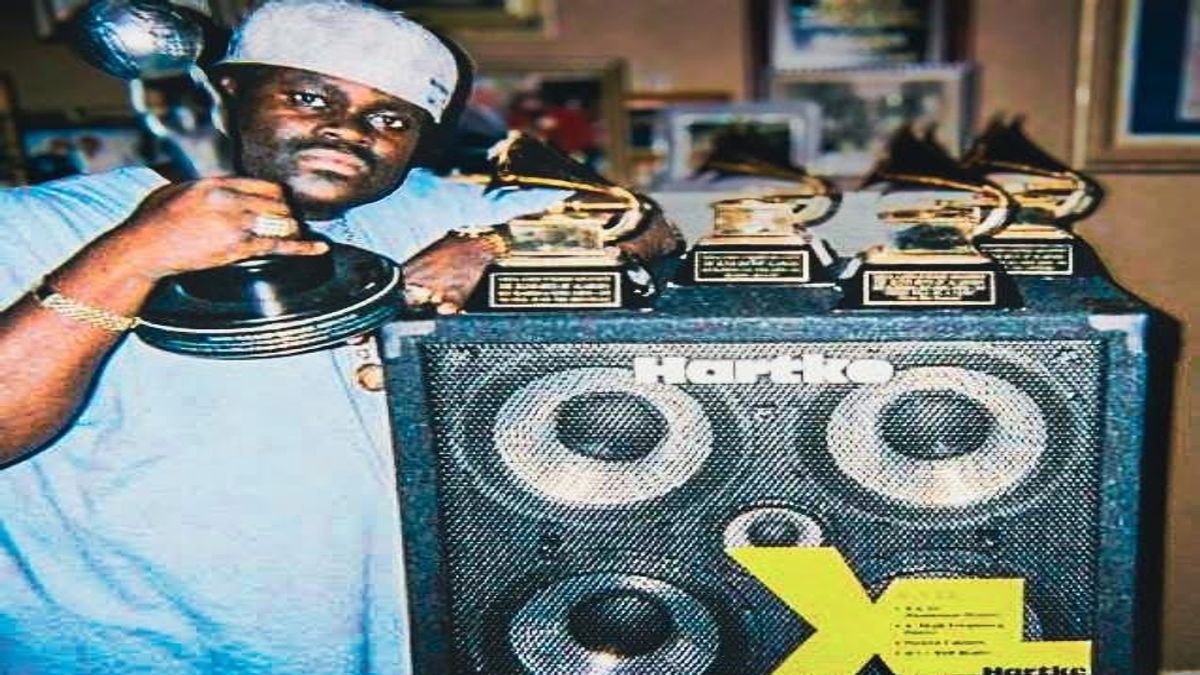
Today, I still perform and collaborate with The Blind Boys of Alabama, and I was honored to receive my fifth Grammy two years ago. It’s been an incredible journey, and I’m grateful for the experiences and collaborations that have shaped my career.
What’s one unforgettable experience from your journey in music that still resonates with you?
One of the most embarrassing moments of my career actually happened when I was just 14 and still learning what life on the road was all about. At one stop, I got distracted talking to a girl while the band was loading up. My team kept telling me to hurry and get on the bus, so I rushed out, and completely forgot my bass guitar.
We got all the way to the next gig before I realized what I’d done. I was mortified. I ended up going to a pawn shop and buying another guitar just so I could make it through the show.
But the story gets even funnier, about six months later, I ran into that same girl again… and somehow managed to forget my guitar again. To this day, it’s still one of the most embarrassing moments of my music career, but it’s also a reminder of how young and green I was back then, learning the ropes of the road.
What’s one of the greatest lessons you’ve learned throughout your journey, and how has it shaped who you are today?
One of the greatest lessons I’ve learned in my career is to listen more than I speak, especially when I’m around someone who has more experience or knowledge about a subject than I do. Staying open and learning from others has been one of the most valuable tools in both my growth as a musician and as a person.
Who has been a key influence or mentor in your journey, and how did they help shape your path?
I’ve been fortunate to have several people and groups who played a major role in helping me get to where I am today. It really started when I was about 14 years old with a mentor named Bill Allen. He was a professional musician, and when I decided to head to New York, he took me under his wing and showed me what life on the road and in the music, industry was really about.
Even earlier than that, though, I began performing with a gospel group when I was just 9 years old. That experience helped me get comfortable on stage and laid the foundation for everything that came later.
A huge amount of credit also goes to The Blind Boys of Alabama and the Ohio Players. Working with them taught me so much about musicianship, professionalism, and performing at the highest level. Those experiences truly helped shape my career and played a big part in getting me to where I am today.
What projects are you currently working on that excite and inspire you the most?
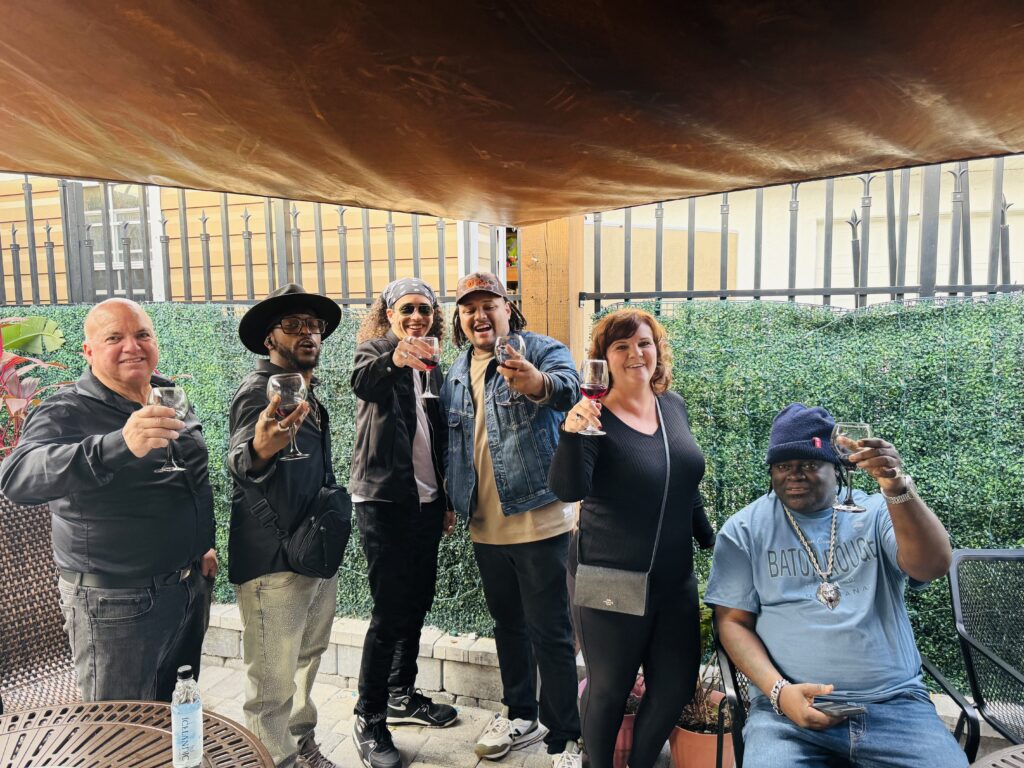
The inspiration behind “B.O.P. Girl” came from my collaboration with Dawn Burnett, the founder of Burnt Out Party Girl Wine. What really drove the project was Dawn’s passion for giving back and supporting abuse survivors through her brand. That mission, combined with her integrity and her love for hip-hop music, made the collaboration feel authentic and meaningful, and it became the creative force behind the song. Plus, I have a love for good wine.
Why is diversity in music, film, and television so important, and how does it shape culture and connection in today’s world?
I believe diversity in music is incredibly important. No matter the platform, whether it’s music, film, or television, art has the power to touch and transform someone’s soul. Everyone connects with creativity in their own unique way, and having a variety of sounds and voices ensures that more people can see themselves and their experiences reflected in it.
Can you share one of the biggest adversities you’ve faced and how you navigated and overcame it?
In 2014, we were involved in a serious accident on I-95 when another vehicle hit our tour bus, which flipped over and sent us into oncoming traffic. It was a life-changing moment. I ended up spending 32 days in the hospital, and for 15 of those days, I wasn’t even fully aware of what was happening. My injuries were so severe, including broken ribs, a broken shoulder, punctured lungs, and much more. I couldn’t even walk, and doctors told me I might never walk or perform again.
For two years I was essentially grounded while I worked to recover. There were moments when the pain and frustration were overwhelming. But my mother prayed over me constantly, and my family and my girlfriend at the time stood by me and lifted me up when I needed it most.
One day, something shifted in my mindset. I realized how fortunate I was to still be here. My son had been in the front of the bus and suffered a broken shoulder blade; it could have been so much worse for all of us.
That experience gave me a new perspective on life. I truly believe I’m here for a purpose. Developing an attitude of gratitude helped carry me through, and today I feel even more committed to helping people, spreading love, and sharing good music with the world.

What are five of the most powerful lessons you’ve learned throughout your journey?
1 . Listen more and talk less
2 . Never take life for granted, it can all change in a blink
3 . Dream big because big possibilities are around the corner
4 . Stay humble
5 . Always be in a learning position no matter how much you know
Can you walk us through your creative process and how you approach songwriting and collaboration with other artists?
When Dawn Burnett first shared the idea behind B.O.P. Girl and showed me the label, it instantly took me back to that era. It made me want to hear what music from that time would sound like today. I knew I had to create the rhythm before the melody, which led me to really study that era alongside what’s trending now. I’d check the Billboard Top 100 and see what current artists are doing, imagining how they might approach this song. Dawn wanted it to feel modern, and since I always like to incorporate a hip-hop element, which happens to be her favorite style, it became a natural part of the track. From there, I brought in my son, Rae Pierce, and the three of us collaborated closely on the lyrics, blending past inspiration with today’s sound.
What do you believe sets your music apart, and how do you create meaningful connections with your audience?
I think it’s more than just the music; people are drawn to the energy I bring on stage. My personality, my heart, my everyday self go into everything I do, and people connect with that. Music isn’t something I do; it’s who I am. When I perform, you hear my soul in every note. I’m not just singing the song, I am the song. As a result, people relate to me, and I relate to them.
How do you prioritize self-care while balancing the demands of a busy performance schedule and your personal life?
I honestly don’t have a life outside of music. If I’m not making or performing it, I’m exhausted and just crash. Performing is what truly brings me to life. I know people say you should take vacations to recharge, but for me, music is my recharge; I live for it.
If you could inspire a movement to create the greatest positive impact, what would it focus on and why?
I love teaching kids’ music, not just the notes and rhythms, but also inspiring them to embrace the process with humility and dedication. Giving back has always been important to me, too. Growing up, my mother would see someone hungry and go home to prepare a plate of food for them. That taught me the value of helping others. Most people experiencing homelessness are humble and genuinely grateful, and I love supporting those who show that appreciation. My accident fueled my passion to help others.
Is there someone you would love to share a conversation with over breakfast or lunch, and what draws you to that person?
Prince was a huge inspiration for me growing up; his ability to play multiple instruments and be so multifaceted shaped how I approach music. I met him, though we never had the chance to have lunch, and that opportunity has passed.
Flava Flav, on the other hand, I have had lunch with, and he’s one of the most humble, generous people you’ll ever meet. He’s the kind of person who would literally give you the shirt off his back. We’ve been friends for over 25 years, and honestly, he’s one of the kindest people I’ve ever known.
How can readers stay connected with you and follow your work online?
Instagram: https://www.instagram.com/tstonelive/?hl=en
Facebook: https://www.facebook.com/TraePierceandtheTStones
Website: https://tstonelive.com/
Thank you for sharing your journey, insights, and perspective with us. Your story is a powerful reminder of resilience, purpose, and the importance of staying true to one’s voice through both challenges and triumphs. As you continue to evolve personally and professionally, your commitment to authenticity, growth, and impact serves as an inspiration to others who are navigating their own paths.
About the Interviewee
Trae Pierce is a Grammy Award–winning bassist, producer, songwriter, and musical director whose career spans multiple genres, including gospel, rock, soul, funk, and hip-hop. As the founder of Trae Pierce & The T-Stone Band, Pierce has built a reputation as one of the most versatile and respected musicians in the industry.
A five-time Grammy Award winner, three-time Dove Award winner, and NAACP Image Awards recipient, Pierce’s contributions to music have also earned him induction into the Alabama Hall of Fame. His distinctive playing style led to a signature series bass guitar endorsement with D’Alegria, with custom instruments designed to reflect his powerful sound and musical influence.
Throughout his career, Pierce has collaborated with and produced for an extraordinary range of legendary artists. His recording credits include work with icons such as The Blind Boys of Alabama, George Clinton, Anthony Hamilton, Mavis Staples, Ben Harper, Phil Collins, Peter Gabriel, Lou Reed, and Randy Travis. Pierce has also produced and collaborated with artists across R&B and hip-hop, including Jodeci, Angie Stone, Flo Rida, and Bizzy Bone of Bone Thugs-n-Harmony.
As a touring bassist and musical director, Pierce has performed on stages around the world with artists including James Brown, Robert Plant, Emmylou Harris, Susan Tedeschi, and Bobby Rush. His long-standing work with The Blind Boys of Alabama has brought him to some of the world’s most prestigious stages and television programs.
Pierce’s musicianship has also crossed into film and television. He appeared as himself in the film The Fighting Temptations, starring Cuba Gooding Jr. and Beyoncé, and contributed to the soundtrack for Brother Bear. His television appearances include performances on The Tonight Show with Jay Leno, Late Show with David Letterman, Conan, and Live with Regis and Kelly, among many others.
In addition to performing and producing, Pierce is passionate about mentorship and music education, inspiring the next generation of musicians through workshops and community outreach. Known for his deep groove, dynamic stage presence, and collaborative spirit, Trae Pierce continues to leave an enduring impact on the global music landscape.