

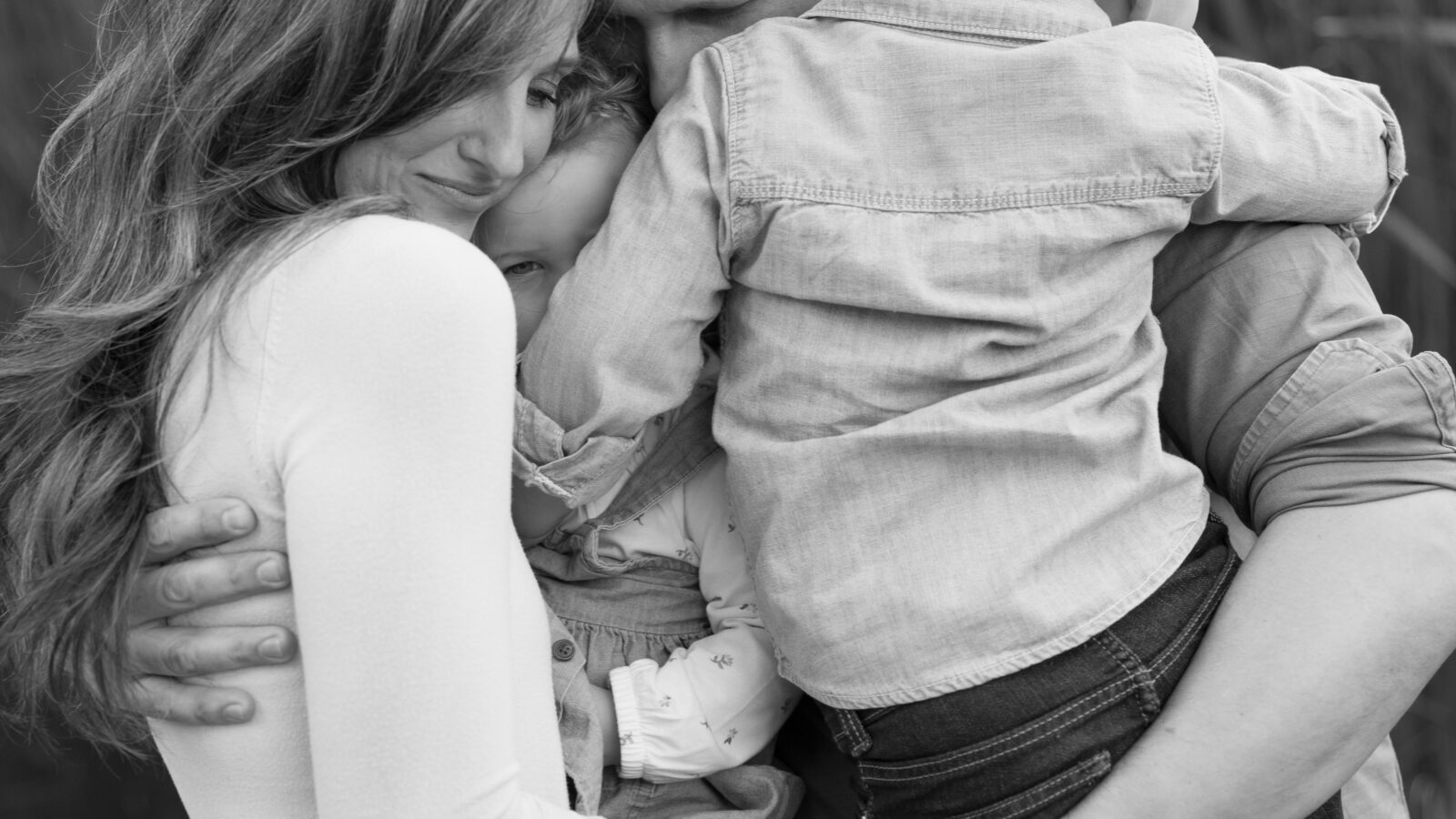
Today is my Flip Day.
Seven years ago, I was diagnosed with breast cancer.
And this year, more than any year before, I keep finding myself looking at my kids and thinking the thought I least want to say out loud: what if I’m not here to watch them grow up?
That is the emotion sitting closest to the surface for me this year.
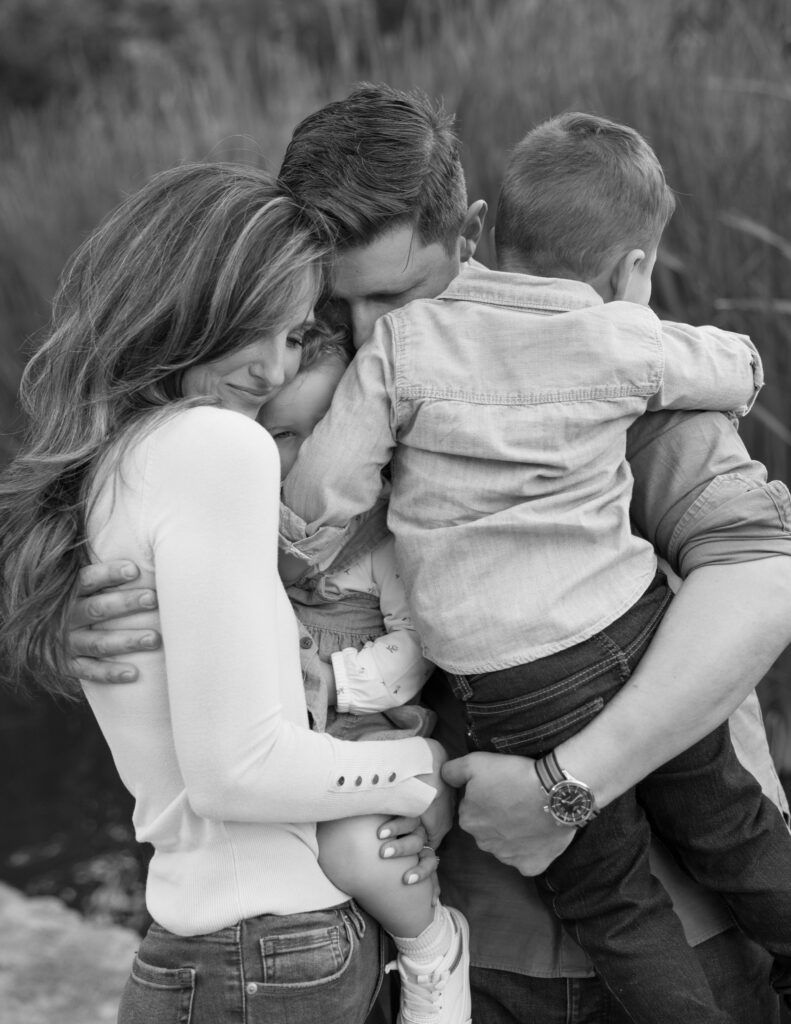
Not because I’m any less grateful. Not because I don’t know how lucky I am to be seven years out. But because seven years later, I have so much more to lose.
Seven years ago, I was trying to survive. Now I am trying to stay. I am trying to stay for the life I fought so hard to have. For the husband I love. For the children who now fill my world. For the ordinary, beautiful life that felt impossibly far away when I was first diagnosed.
Back then, I used to picture a future where I was in love with Ian and we had a family together. I imagined the normal things, the meaningful things, the things that feel almost holy when your world has been split open by cancer.
And now, here we are. We built the life I used to dream about from the other side of fear. I have this beautiful family with the person I love most. I have children who fill my days and give shape to my future. I have had meaningful milestones in my career. I am surrounded by amazing family and friends. I am soaking it all in with a depth of appreciation I know I would not have had before cancer.
That gratitude is real. Deeply real.
But so is the fear.
That is what feels so strange about this year.
Seven years is a long time. It is also a weird time. Five years is a big milestone. Ten years is an obvious one. Truthfully, all of them matter. But seven sits right in the middle. Not the beginning. Not the big round-number landmark. Just right there in the middle.
And figuratively, that is exactly how I feel. In the middle of gratitude and fear. In the middle of relief and uncertainty. In the middle of feeling so lucky to be here and so terrified of what could still happen.
A huge part of why this year feels especially loaded is that this is my final year on Tamoxifen.
For the last seven years (with the exception of the months when I was pregnant), I have taken one small pill every single day. If you had told me seven years ago that I’d grow almost sentimental about a medication, I would have laughed. But here we are. That little pill has been one of the greatest contradictions of my survivorship; the thing I’ve simultaneously resented and relied on more than almost anything else.
The science is clear on what it’s done for me: it more than halved my risk of recurrence. That’s not a small number. That’s the number I whispered to myself on the hard days. That’s the number that made it worth every side effect.
And there have been side effects. Oh, have there been side effects.
Every symptom of menopause you can name, I have had it. Joint pain that made me feel seventy on my worst mornings. Mood swings that came out of nowhere. Dryness. A libido that mostly went on sabbatical for years. And the hot flashes. THE HOT FLASHES. There are no words. I have stood in front of open refrigerators at 2am like it was a religious experience. I have flung off blankets with the urgency of someone escaping a burning building. I have sweated through things I will not describe in polite company.
I will not miss the hot flashes.
But this is my final year on Tamoxifen and that reality comes with its own emotional weather system.
The reason I’m ending the regimen isn’t because I’ve completed some triumphant finish line. It’s because for my specific case, the risks of continuing now outweigh the benefits of staying on it. And those risks are real: an elevated risk of endometrial cancer. An increased risk of blood clots, including deep vein thrombosis and pulmonary embolism. The possibility of stroke. These aren’t hypothetical footnotes. They are the reason my oncologist and I made this call together, carefully.
So I’ll be thrilled (genuinely thrilled) to not wake up drenched in sweat for the first time in years.
And I will be terrified, also for the first time in years, to face the world without that safety net.
I don’t quite know how to hold both of those things at once. But I’m learning.
Then layer on everything happening in the world around cancer care right now (funding cuts, instability, more and more young people being diagnosed) and it is hard not to absorb some of that anxiety too. Hard not to feel the personal and the systemic colliding in one already tender place.
I think that is also why I feel so protective of what Flip Day actually means.
Some people think my Flip Day is about turning pain into positivity.
They are wrong.
My Flip Day has never been about pretending something painful became uplifting. It has never been about taking one of the worst days of my life and sanding it down into something shiny, simple, and inspirational. I’m not here to perform gratitude or wrap a diagnosis in a bow and tell you it was a blessing in disguise. That’s not what this is.
My Flip Day has always been about taking a day of pain and turning it into purpose.
That is different.
Purpose is raw. It leaves room for what is real. It leaves room for fear and gratitude to coexist. For grief and joy. For relief and anger. For love and uncertainty. Purpose does not ask me to clean this up. It requires me to look the hard thing directly in the face and decide to do something with it anyway.
This year, more than any other year, I am feeling the full weight of that.
Because now, when I think about recurrence, I think about my kids.
I think about their faces. Their voices. The people they are becoming. I think about how badly I want to be here for all of it — the big milestones, yes, but also the tiny moments. The school pickups. The bedtime conversations. The random stories at the dinner table. The ordinary days that are never really ordinary once you understand how much can be taken from you.
I would be lying if I said I am not absolutely terrified of recurrence and not being here for them.
That fear doesn’t go away at five years. It doesn’t go away at seven. I’m not sure it ever goes away entirely.
And maybe part of why that fear feels so sharp is because in our family, it is not theoretical. My husband lost his mom to cancer when he was 8 years old. He knows what that loss feels like from the inside. Which means when I look at our kids and think about not being here to watch them grow up, I’m not just imagining a fear. I’m brushing up against one that has already shaped the person I love most.
And facing that fear in the same year that I’m stepping off the medication that has been my primary protection against recurrence. That is a significant mental and emotional load. I’m not going to minimize it by calling it a mindset challenge or a growth opportunity. It’s just hard. It’s hard and real and I’m sitting with it.
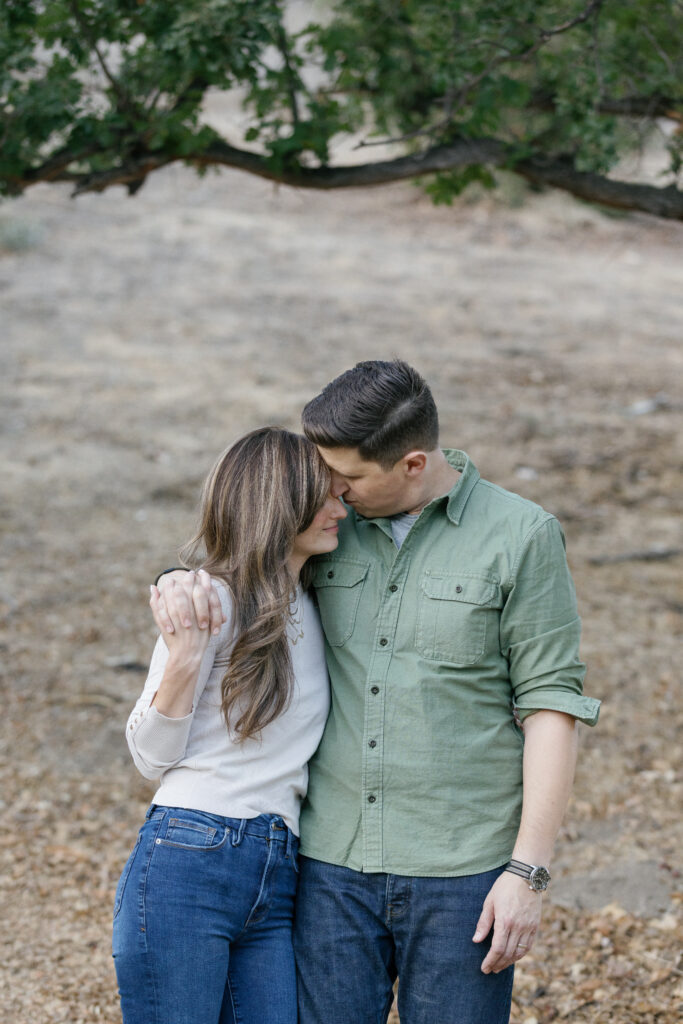
So this year, Flip Day does not feel neat.
It does not feel like a tidy milestone with a tidy message.
It feels honest.
It feels like standing in the middle of many truths at once. The blessing of being seven years out. The weirdness of being seven years out. The joy of the life I have. The fear of what could happen. The relief of being done with Tamoxifen. The terror of being done with Tamoxifen. The gratitude. The anxiety. All of it.
Maybe that is what this year is asking me to tell the truth about. That survivorship is not clean. That milestones are not always triumphant. That you can be deeply grateful and deeply afraid in the exact same moment. That purpose is not about erasing pain. It is about refusing to waste it.
Seven years is not five. It’s not ten. It’s the middle: the unglamorous, complicated, sometimes anxious middle.
But I am here. In the life I dreamed about. With the people I love. Doing work that matters.
And today, like every March 7th, I will take that fact (the diagnosis, the fear, the gratitude, the grief, the contradictions, all of it) and I will flip it into something. Not because I am beyond the fear. Because purpose is what I reach for when fear is still sitting right beside me.