You can make incredible changes to your body within 6 to 8 weeks.

– Justine Bassani

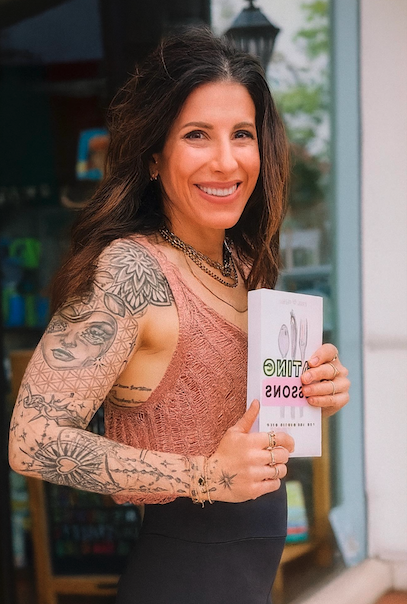
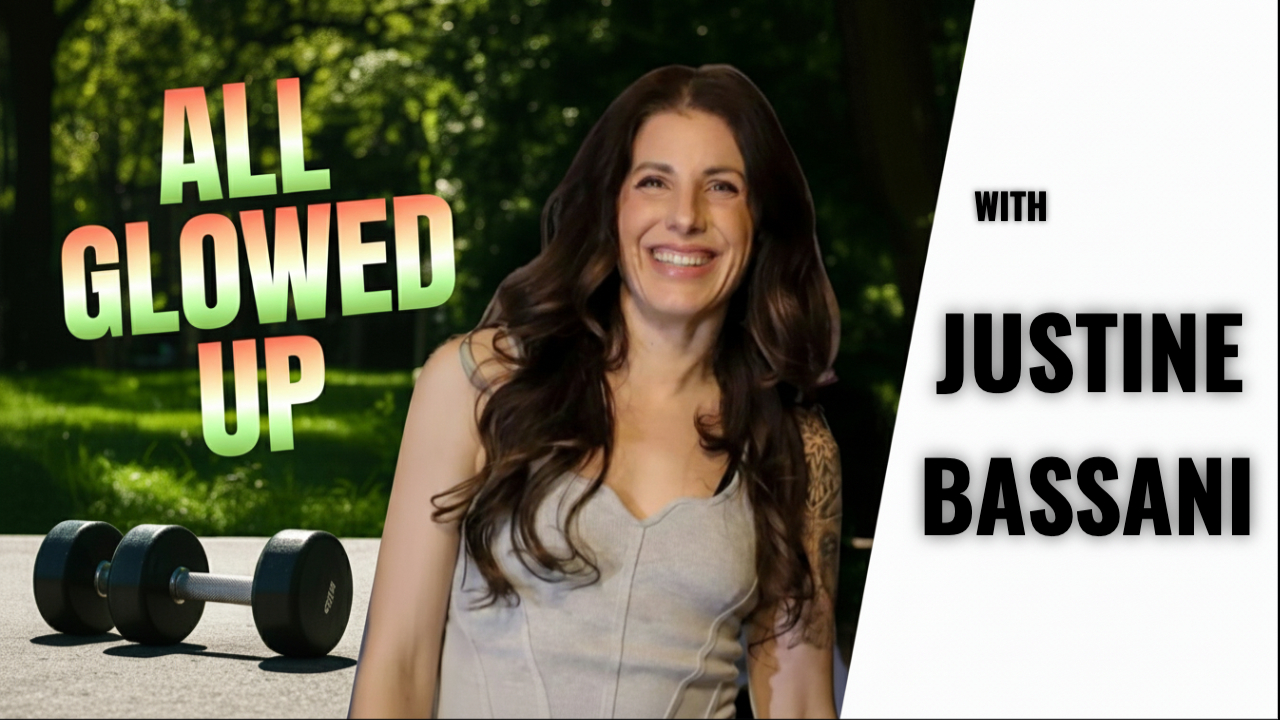
If your cravings feel louder than your goals, this conversation is for you. In this conversation for The Advisor, we sit down with Justine Bassani: a bartender by night (who doesn’t drink), the creator of All Glowed Up, and the author of Eating Lessons—a clear, story‑driven guide to what we put in our bodies and the emotional shifts that help change our habits.

Expect a grounded, compassionate unpacking of emotional versus physical hunger; how diet culture and extreme fasting backfire; simple “upgrade the craving” swaps (smoothies, whole‑food ice cream, date‑sweetened chocolate); and everyday practices like journaling and back‑to‑basics self‑care. Justine also previews her Crave Well app—which maps cravings to their key nutrients and points you toward practical options, including local delivery—and shares how steady, fuel‑first eating helped her rebuild strength, mood, and clarity.


Thank you so much for joining us! Our readers would love to get to know you a bit better. Can you tell us a bit about your backstory?

I’m excited to be here. By night, I’m a bartender who doesn’t drink, and by day I pour my energy into All Glowed Up, where I share the mindset and meal strategies that actually helped me change my own relationship with food. I wrote Eating Lessons to give people a clear, story‑driven guide to what we put in our bodies and how to make emotional shifts that stick, not just for a month but for a lifestyle. My work blends plant‑forward nutrition, mindful eating, and shadow‑work journaling with simple plate‑building… because when you support your nervous system and your routines, consistency stops feeling like punishment and starts feeling like care.

In plain terms, how is emotional eating different from hunger?

Emotional eating is a feeling‑chasing loop, not a fuel request. Our sense of smell wires early memories—birthday cake, pizza parties—so certain foods carry a “you’re loved” signal, and we chase that signal even when our bodies are asking for something else. Comfort foods also light up “happy” chemistry, which can make the pattern feel even more true in the moment. When we pause and ask, “Am I eating for nutrition or for a feeling?” we begin to choose foods that feed the body first, and cravings start to change. I talk about this in my “recovering foodie” chapter; simply noticing the foods you reach for when sad, stressed, or celebrating reveals patterns you can gently flip by adding what your body actually needs.

How does diet culture feed the shame–craving loop?

Most trends reduce to calorie restriction dressed up in new language. The scale drops at first, then stalls, energy tanks, and frustration spikes because you’re under‑fueled. Add hard workouts on top and you burn muscle, lower your daily burn, and end up smaller but not stronger… with looser skin and a body that doesn’t perform like you hoped. The antidote is understanding why food goes on your plate and building fuel‑first, nervous‑system‑friendly habits you can live with. When meals have a purpose beyond the scale, the shame–craving loop loses its grip.

We say, “I’ll never be like my parents,” yet old patterns show up around food. Why?

Family rituals are powerful teachers; times, foods, and celebrations become a blueprint. I’m grateful that my mom modeled a different path early: health‑food stores, backyard organic baby food, and vegetarian staples were normal in our house. Today it’s easier than ever to recreate familiar flavors with smarter ingredients, there’s even vegan mayo made with avocado oil, so you can honor the memory without repeating the metabolism hit. When you nourish first and mirror the taste second, your cravings begin to follow the nutrition instead of the nostalgia.

What do you say to people tempted by “miracle” diets, especially fasting?

Fasting is the most damaging quick fix I see because people push themselves toward extreme deprivation to chase promised benefits. To force the body into the state they’re after, you’d need to go days without food—meanwhile your brain and muscles still need fuel to function at work and in life. When results don’t last, it’s easy to blame genetics or think your body is “broken,” but most of us simply inherited unhelpful habits. There’s no shame in rewriting that script: feed yourself consistently, respect your biology, and let energy and mood—not just the scale—be your progress markers.

What feedback from Eating Lessons surprised you most?

Many women, often the ones cooking for their families, told me the book changed their perspective. That was my goal: open enough doors that you give yourself permission to try something different without turning food into a fight. Progress is a daily recommitment, and slipping is part of learning; pure intentions and the next choice are what matter. I’m also building tools that support real‑time decisions, because in the moment you’re craving, a nudge toward what your body needs can keep momentum gentle and steady.

How did you turn bar-side conversations into a book?

After earning certifications in nutrition and personal training during COVID, I kept hearing the same questions at work. I tracked patterns—cheese came up constantly—so I’d jot notes on casein, dairy hormones, and why those textures feel addictive, then write after my shift. Eventually I switched to mornings: research the night before, 1,000 words before the gym, minimum 5,000 a week. Over four years that process became more than 100,000 edited words, and each chapter blends story, history, and modern context so the science lands like a conversation, not a lecture.

What practical moves help interrupt an emotional-eating spiral?

Upgrade the craving, don’t fight it. Make smoothies or whole‑food “ice cream,” and enjoy date‑sweetened chocolate on purpose… ceremonially, every day. Scheduling pleasure in its purest form quiets the urge to binge because you’re not in a tug‑of‑war with yourself. If life is packed, try a week of prepared meals from services like Factor, Daily Harvest, or Thistle; the trial discounts help, but the real win is time back so you can focus on self‑care while the food shows up ready.

You mentioned a digital tool. What are you building?

Crave Well is my way of making support as quick as a craving. You type what you want, the app identifies the top three nutrients in that food, and it offers three choices with similar nutrient profiles you can actually get—right down to local delivery. I trained myself to connect cravings with nutrients (raisins or lentils = often iron), and turning that into a simple flow helps your body feel satisfied instead of tricked. When you feed the need, cravings usually quiet because you’re finally full in the way your cells were asking for.

You juggle full-time work and entrepreneurship. How do you balance the hustle with deep emotional work?

When life pulls in two directions, self‑care becomes the anchor. My shadow‑work journaling asks, “What did you do today to fill yourself back up?” and I treat that like an appointment. It takes about 30 repetitions to wire a habit, so I protect the basics that help me show up tomorrow—and I avoid “breaks” that steal tomorrow’s energy. If friends are truly in your corner, they’ll bring a smoothie to the club and cheer for your choices; you can do more good in the world after you put your oxygen mask on first.

When you’re low, what does self-care REALLY look like?

Start with the basics: shower, brush and floss, clip your nails, moisturize. This isn’t vanity… it’s how you feel in your skin, and those small acts can lift you onto the first rung. When depression hits, simple, doable care creates just enough energy to try the next supportive thing. Think of it like a ladder (hello, Maslow): once the base is steadier, food and movement choices get easier to reach for.

What mindset shift moved you from dieting to lasting well-being?

I once tried to fit an industry mold—working in film as a stand‑in and body double—and it wrecked my mood and energy. The real pivot was quitting alcohol and fueling my muscles with steady meals, six times a day, before I got hungry. That steadied my brain, crushed the binge cycle, and brought strength back fast; with a trainer, I saw visible changes within a few months. Scheduling food every couple of hours flipped the script from “wait as long as you can” to “fuel so you can live,” and everything felt saner.

How can partners and friends support someone struggling with emotional eating?

Lead with love, not control. Share resources such as books or podcasts, and if needed, encourage professional support because there may be deeper layers like abandonment, fear, or trauma underneath. Join them: start a challenge together, stock the house for success, and make TV‑time swaps like popcorn and grapes so the ritual stays but the aftermath changes. Many people eat secretly; bringing compassion and accountability into the light is often the first real relief.

What misconceptions about “healthy eating” keep people stuck?

Fruit fear is a big one. Fruit delivers fiber and steady energy, but people avoid it and end up grabbing ultra‑processed “fruit‑flavored” fixes that spark late‑night runs. A simple filter helps: if it grows from the ground or on a tree, it’s closer to what your body recognizes; most of your restriction belongs on the middle aisles. When you stop banning real fruit, the brain stops hunting for gummy substitutes, and cravings calm down.

Share one small habit that led to a big breakthrough.

Joining the gym and showing up daily changed everything. I texted a bartender friend, asked what gym he went to, drove there, and signed up that day even though I was terrified of how I looked. I refused to hide under heavy layers; I faced the mirror, lifted through frustration, and watched my shape and confidence shift. The post‑workout chemistry and breathwork gave me the feeling I used to chase with a drink… only cleaner and longer‑lasting.

What keeps progress steady between the big “aha” moments?

Write it down. Track how you feel, what you ate and loved, the mood you were in, and the dreams for next week. A few months later that record becomes evidence that you’re changing… especially on the days you forget how far you’ve come. You’ll also be able to answer, “When did I start that habit?” with receipts, which keeps your momentum honest and personal.

Timeline check: when do you expect the app to be available?

I built it myself—using a code tool with two bots and my own intelligence—and I’m deep in bug fixes. Trusted testers are confirming log‑in/log‑out and tracking so the behind‑the‑scenes is solid. I’m aiming to release within a month, and 100% by the end of the year. It’s close, and I can’t wait to put it in people’s hands for those exact “what do I eat right now?” moments.

How can our readers further follow your work online?

I’m active on Instagram and YouTube. My website is We All Glowed Up, where you’ll also find self-care merch. The Crave Well app will include a direct way to connect as soon as it’s live.

Thank you for sharing your heart and your tools with us… this was so powerful.

Thank you for having me. I’m grateful to be here, excited for what’s ahead, and I can’t wait to come back.

Justine Bassani is a bartender by night in New Canaan, Connecticut, at Tequila Mockingbird (who doesn’t drink), the creator of All Glowed Up, and the author of Eating Lessons. Certified in nutrition and personal training, she turns everyday questions into practical, story‑driven guidance on emotional versus physical hunger, nutrient‑led plate building, and simple “upgrade the craving” swaps. She’s building Crave Well, an app that maps cravings to the nutrients your body needs and even surfaces local delivery options, and she connects with her community through We All Glowed Up as well as Instagram and YouTube.

Author(s)

  • A renowned 20 Times Best-Selling Author, Speaker, Coach & Podcaster

    The Advisor With Stacey Chillemi

    Introducing an extraordinary individual, a renowned speaker, an esteemed coach, a captivating podcaster, and a remarkable 20-time best-selling author! With such an impressive record of accomplishments, it comes as no surprise that she has been recognized as one of the Top 10 Entrepreneurs of 2023 by Apple News and featured in a prominent story on Grit Daily. But that's not all! This dynamic individual has garnered attention across major media outlets, including ABC, NBC, CBS, Psychology Today, Insider, Business Insider, and Yahoo News, accumulating an astonishing 17 million views! Furthermore, she has graced the stage of the Dr. Oz Show not once but five times, collaborated with influential figures like Ariana Huffington, and made captivating appearances on numerous TV shows, news segments, podcasts, and radio programs. Originally launching her career at NBC, where she contributed to Dateline, News 4, and The Morning Show, this inspiring professional redirected her boundless talents and capabilities toward becoming a full-time speaker and writer. With an unwavering passion for empowering both men and women to conquer their challenges and rise to the pinnacle of success, our speaker, coach, podcaster, and author invites you to unearth your true potential. Embrace the opportunity to be motivated by Stacey Chillemi's invaluable insights and strategies for living life on your own terms. Join this esteemed speaker today and allow yourself to be inspired to take that first transformative step toward lasting success! Welcome to a world of possibilities where you can thrive with Stacey Chillemi as your guide.