

Focus on the present, because today’s work is the key for your future success.
– Hassan Moaminah
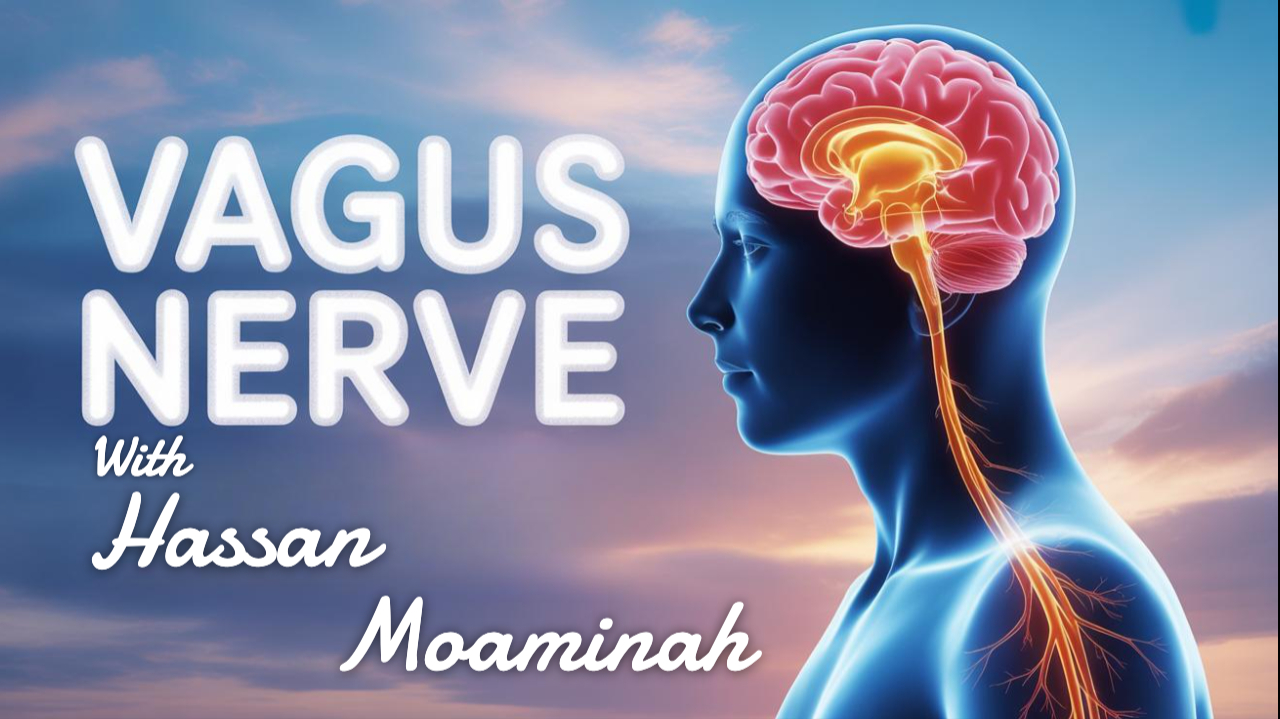
Patience, balance, and honest effort: that’s the spirit Hassan Moaminah brings to The Advisor. Joining us from Saudi Arabia after a brief off‑season pause, he shares a natural approach to training: slow growth like a tree, steady hormones, and results that last. The conversation also explores the vagus nerve; how stress, sleep, fuel, and breath shape digestion, focus, and the way we carry ourselves through the day.
Throughout this interview with Stacey Chillemi, Hassan connects practical tools—breathing patterns, humming, stretching breaks, and smart carbohydrate timing—with a wider mindset of forgiveness and faith. From magnesium‑rich foods, coconut water, and hearty soups to childhood food memories and a reminder that some days are weak and others strong, he frames wellness as both simple and human. He also introduces a new training app (with a free access code, Garuda) to start your journey.
Thank you so much for joining us! Our readers would love to get to know you a bit better. Can you tell us a bit about your backstory?”
I took a short rest recently because it was the off-season, and that pause taught me a lot about patience. In April, I prepared for my first natural bodybuilding competition, and the progress came slowly and honestly. Over more than three months of focused training and eating, I gained about six pounds, and then, very quickly, I lost three in a single week. That’s the reality of staying natural: the body balances hormones on its own timetable, so the changes might be slower, but they are real and sustainable.
What did your off-season teach you about being a natural athlete versus a non-natural one?
People encourage fast weight gain, yet the natural body resists extremes because it seeks balance. Non-natural approaches can push hormones out of balance, which is why weight moves up and down so quickly. A natural athlete holds a steadier physique and changes more gradually over the long term. It’s harder to rush, but it protects both health and mindset.
You used a powerful image of the body growing like a tree. Can you expand on that?
A tree doesn’t explode into being; it grows at the pace nature allows. Sometimes fruit appears sooner than expected, and sometimes the trunk and roots need time before the harvest. What looks slow to the eye is actually the right rhythm for something real and lasting. We start from scratch, build slowly, and one day what seemed small becomes “big” simply because we stayed consistent.
You believe many psychological issues trace back to the vagus nerve. Why is it so central?
I once thought psychological problems came from unknown places. Over time, I learned how much the parasympathetic system—the vagus nerve—does for us, running from the brain down to the left side of the colon. When that system is under strain, it shows up in the body with things like left-side abdominal discomfort or mid-back pain. It touches digestion, focus, breathing, and even the heart, so caring for it changes everything.
What are the red flags that your vagus nerve needs attention?
That left-side abdominal pain or a strange mid-back ache is a signal that shouldn’t be ignored. If focus disappears under stress and you feel wired but tired, that’s another sign the system is overloaded. As an athlete, under-eating carbohydrates drains glycogen and stresses the body, which then steals energy from things like digestion and concentration to keep basic survival going. When fuel is right, the body operates optimally; when it isn’t, the vagus nerve reminds you quickly.
You talk a lot about glycogen, carbs, and even “sugar spikes.” How do those fit in?
Most people beginning a weight-loss journey already have a big glycogen store, so separating strength and cardio days helps them make steady progress. For performance athletes, keeping glycogen high all the time is tough without a strong plan, and that’s where timing matters. A sugar spike isn’t automatically bad… if you are refilling glycogen to protect the body from stress, it can be useful. It’s a problem when there’s insulin resistance, but in the right context it becomes a tool rather than a threat.
Why do some groups, like the military, seem to eat more carbs than protein?
Their goal is broad fitness and endurance, not constant muscle failure. You’ll see carb-heavy meals and yet a lot of strength, because the training and the nutrition are matched. When the mission becomes building muscle, the diet shifts toward more targeted protein and different timing. Different goals require different menus—it’s simple alignment.
How does modern lifestyle stress show up for you, especially with sleep?
Busy days, constant noise, and arguments… they all pile up on the nervous system. In peak weeks with lower carbs, my sleep gets shallow, and that taught me how closely fuel and recovery are linked. I’ve even had nights where my eyes were open and I could hear my wife on her phone, but my body wouldn’t move—that was strange, and it made me respect rest even more. When the system is supported, deep sleep returns; when it isn’t, everything feels harder.
What simple tools do you use to calm and support the vagus nerve?
A comforting cream, the kind used for kids when they have a cough or fever, applied to the neck or the left side of the colon can help. The warmth soothes and seems to reactivate the area, but like a painkiller, it should be used only as needed. I also lean on mixed berry juice to help with inflammation… It’s a simple, accessible option. Small, practical actions like these can calm the system enough to focus on the day again.
You shared a story about syrup drinks and “natural slush” treats. What was the lesson there?
There were times people mixed a concentrated syrup with cold water for energy and comfort, and in some places, kids enjoyed a natural slush made from flowers and ice. Not everyone had a refrigerator, so they adapted with what they had. Those memories show how everyday things can reduce stress and bring life back into balance. The point is not luxury—it’s the smart, simple choices that help the body and the mind.
What about breathing, humming, and the way singers and actors train their breath?
Nose breathing during cardio reduces discomfort and steadies effort. Singers often take a nose breath and let the belly expand to support the voice, which also calms the system. Actors use patterns like four seconds in through the nose, hold, four out through the mouth, hold… repeating until calm. Humming and controlled breathing tell the vagus nerve, “You are safe,” and the body responds.
You realized that your environment matters, even on “off” days. How so?
I chose to go to the gym even if all I did was swim or relax—treating it like my resort. Being in the right place changes your state and makes it easier to return to full training naturally. Many people stop because the environment falls away and the routine is lost. Show up, even for a little while; the body remembers the path back.
Magnesium and minerals: how do you approach them in bulking seasons?
In bulking phases, I increase magnesium because recovery demands more support. It doesn’t have to come only from supplements; foods like dates, coconut water, bananas, and hearty vegetables help. I like a thick lentil soup with tomato and squash to warm the body and prepare for bigger meals. Keeping it thick instead of watery makes it feel like fuel, not just liquid.
Hydration and carbohydrates: why do you pair them?
Carbohydrate helps the body hold water—without it, dehydration risk climbs. Coconut water supports hydration, and even watermelon, sometimes with cottage cheese, keeps electrolytes and carbs in balance. Sometimes people eat what looks like an indulgence simply to prepare the body for a bigger training load. It isn’t the food alone that matters—it’s the timing and the purpose.
You shared a vivid post-workout day of eating. What did it teach you?
After a session, I made a savory French toast—egg wash with tomato sauce and chopped green onions—and later my body demanded more. I went to a chicken place and finished a whole chicken in minutes, even without rice. That day reminded me how the body speaks clearly when it needs fuel, especially after hard work. Food is medicine when used at the right time and in the right amount.
How do you see supplements like creatine, and why avoid coffee?
Creatine is already in foods like fish, meat, chicken, and eggs, so using it can simply top up what you didn’t get naturally. It helps water stay in the muscles, which supports performance. For me, it’s acceptable and legal, and I’m comfortable with it. Coffee, on the other hand, gives me anxiety, so I choose what keeps me steady.
You told a powerful story about a jewelry shop that led you to forgiveness. What happened?
I asked normal questions about prices and installments, and the staff member quietly pointed out the CCTV as if I needed a warning. I felt accused for no reason and took it to the manager, who checked the recording and confirmed what was said. For two days I wrestled with whether to escalate it, and then I chose forgiveness. We don’t always know the full story behind what we see, and letting go brought me peace.
How did that connect to your views on negative thinking, truth, and public figures?
Negative thinking destroys people because it repeats until it becomes a belief. We’ve seen influencers fall when truth catches up, and lies don’t spare anyone. Even leaders carry heavy burdens and are not angels; mistakes happen under pressure. My conclusion is simple: avoid lies, reduce negativity, and give people room to be human.
Faith, resilience, and the cycle of weak/strong; what do those mean to you now?
My daughter once offered me her piggy bank when times were tight, and that pure faith touched me deeply. I was once handicapped and became a bodybuilder and marathon runner… people said it was impossible, but I did it. Some days I curl up and rest like a baby because the body has cycles; one day weak, another day strong. Forgiveness reduces stress and anxiety, and that’s how the vagus nerve and life can recover.
Tell us about your new training app! What does it offer right now?
It’s a training app with guided cardio for weight loss and stretching sessions to improve blood flow and recovery. Stretching supports what’s happening “inside the bone,” helping the flow of white and red blood cells so you feel awake and ready. Office workers, especially, should stretch about every 30 minutes to stay productive and reduce stiffness. Even when I’m writing scripts at my desk, I pause to stretch so my focus stays sharp.
Why do food memories matter?
I found a local dish presented on banana leaves, white rice with shrimp, and it brought back childhood memories. We ate together with our hands as a family, simple and rich at the same time. Different countries value different things, and what’s cheap in one place can be expensive in another. Those memories feed the heart and remind me why food is more than fuel.
How can our readers further follow your work online?
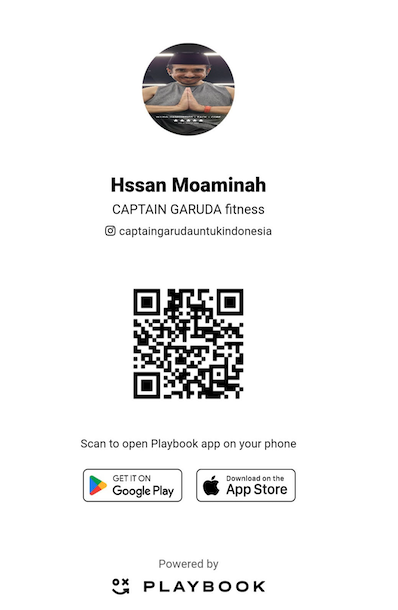
My app is in the App Store and Play Store, and I’ll share a QR code so it’s easy to scan and download, this can be found below. Use the code Garuda for free, unlimited access to the program as more workouts are added over time. My book is available for purchase HERE. Plus, be sure to catch my NEW Garuda short film that is now live on Youtube! The goal isn’t to chase money… the right things come when you focus on what truly matters.
Thank you for sharing your wisdom, your stories, and your heart with us today. We’re grateful for your time and insights. Wishing you continued strength and peace.
Thank you for having me…it truly was a pleasure!
and local retailers.