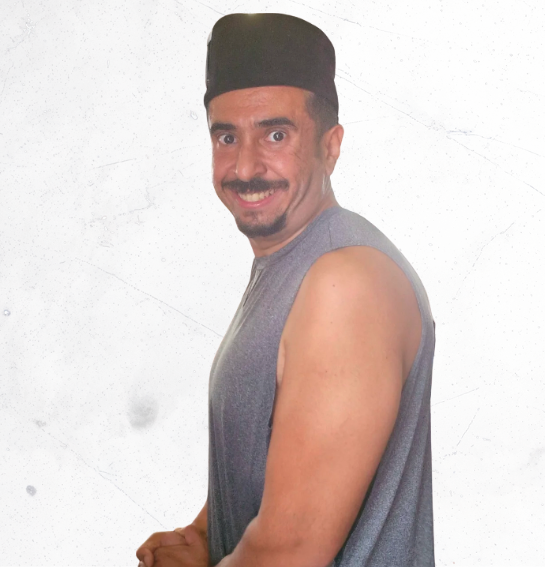

Forgiveness is for you, not for anyone else.
– Hassan Moaminah
In a world where many people feel stuck, overwhelmed, or discouraged by repeated setbacks, lasting change often feels out of reach. Motivation fades quickly, quick fixes disappoint, and comparison quietly drains confidence. Yet for Hassan Moaminah—known to many as Captain Garuda—real transformation didn’t begin with extreme plans or shortcuts. It began with a shift inward.
Hassan’s journey is not simply about weight loss or physical strength. It is about rebuilding emotional resilience, learning patience, and cultivating kindness toward oneself and others. Through lived experience, he discovered that sustainable success—whether in health, relationships, or personal growth—starts with the mind and the heart, not the scale or the stopwatch.
Why So Many People Struggle to Move Forward
According to Hassan, one of the biggest obstacles to progress is unresolved emotional pain. Many people carry anger, resentment, and old wounds without realizing how deeply those emotions affect daily life. When negative experiences are replayed internally, stress becomes constant, sleep suffers, and recovery—both mental and physical—becomes difficult.
This internal weight often leads people to give up prematurely, not because they lack ability, but because they are exhausted from holding onto pain. Over time, the body and mind begin to mirror that burden.
Forgiveness as a Tool for Healing and Growth
Forgiveness, Hassan explains, is not about excusing harmful behavior or forgetting what happened. It is about releasing emotional weight so the body and mind can recover. When forgiveness is withheld, stress hormones remain elevated, sleep quality declines, and progress slows.
Letting go of resentment helps calm the nervous system, making space for clarity, focus, and healing. In this sense, forgiveness becomes a practical strategy—not just for emotional wellbeing, but for physical recovery and long-term success.
The Mental Foundation of Physical Change
Weight loss and fitness are often framed as purely physical challenges, but Hassan’s experience reveals a deeper truth: recovery is just as important as effort. Without emotional regulation and proper rest, progress stalls.
High stress levels interfere with sleep, elevate cortisol, and limit the body’s ability to heal and adapt. This is why many people struggle despite intense effort. True growth requires learning how to calm the mind, create emotional safety, and allow the body to recover naturally.
Why Small Wins Matter More Than Big Promises
Transformation rarely happens overnight. For Hassan, progress became real through small, meaningful victories—moments that proved change was happening, even when the larger goal felt far away. These wins built confidence, reinforced discipline, and created momentum.
Focusing on small steps helps people stay engaged without becoming overwhelmed. Progress becomes sustainable when it is measured in consistency, not perfection.
Patience as a Form of Strength
Patience, in Hassan’s view, is not passive. It is an active choice to keep going, even when progress feels slow. Treating the body as an ally rather than an enemy allows room for mistakes, learning, and self-compassion.
When people forgive themselves for setbacks and continue forward, discipline becomes easier to maintain. Over time, patience builds resilience—and resilience builds lasting change.
The Hidden Cost of Comparison
Social comparison, especially through constant exposure to curated online lives, can quietly erode progress. When attention shifts toward others’ achievements, people lose sight of their own growth and begin questioning their worth.
Hassan emphasizes that success is deeply personal. Discipline strengthens when focus stays internal, grounded in one’s own journey rather than external validation.
Why Kindness and Mercy Support Recovery
Peaceful environments—at home, in relationships, and within oneself—support better sleep, clearer thinking, and emotional balance. Kindness creates safety, and safety allows the nervous system to rest.
When stress is reduced, recovery improves. When recovery improves, progress follows. This connection between emotional wellbeing and physical health is often overlooked, yet it plays a critical role in sustainable success.
Focus as a Skill That Can Be Trained
Focus, Hassan believes, is a muscle. When distractions are reduced and attention is directed intentionally, progress accelerates. Silence, observation, and mindful action often produce better results than constant talking or overthinking.
By learning when to pause and when to act, people conserve energy and make more deliberate choices—both essential for long-term growth.
What Separates Those Who Keep Going
Those who succeed over time are not immune to failure. They simply learn how to move on from it. They release negative experiences instead of carrying them forward, stay committed to progress, and believe they deserve health, peace, and stability.
They also stop measuring their worth through comparison and instead build discipline through daily action.
A Grounded Reminder for Anyone Feeling Stuck
Hassan’s message is simple but powerful: lasting change is built slowly, intentionally, and with compassion. There are no shortcuts that replace patience, emotional regulation, and consistent effort.
When people choose forgiveness, focus, and kindness—toward themselves and others—they create the conditions necessary for real transformation.