

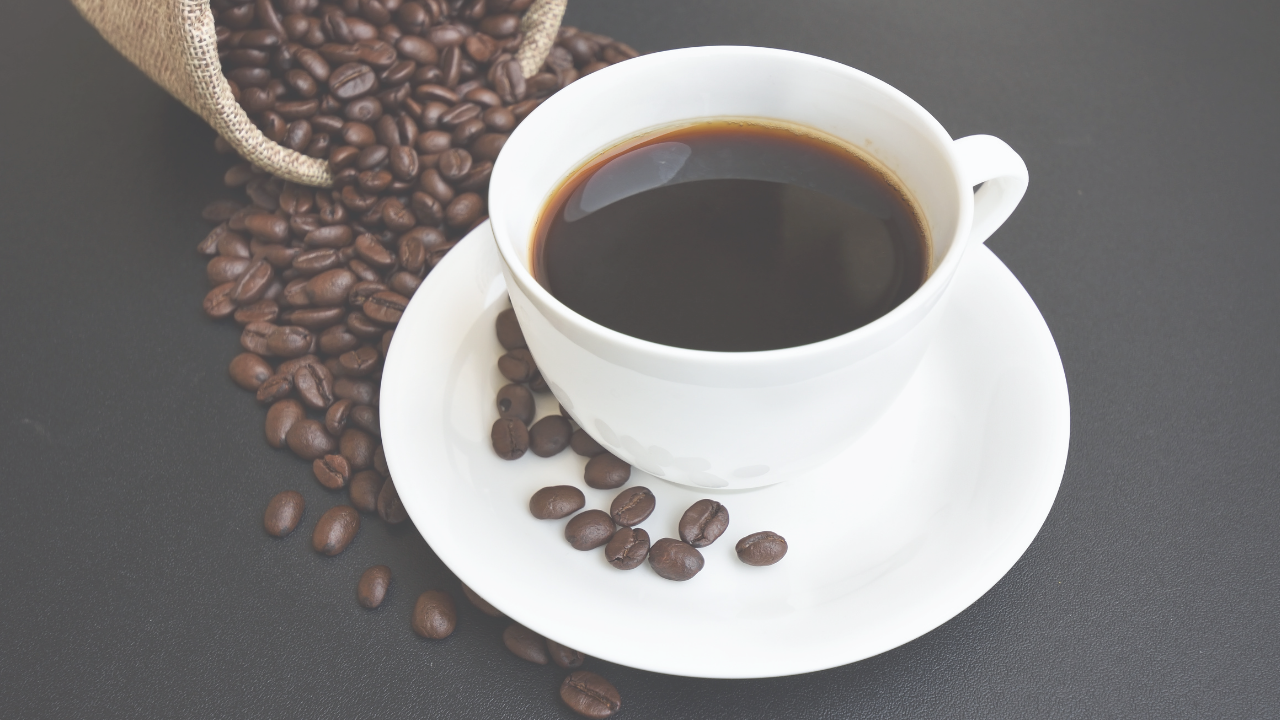
“Caffeine doesn’t give your body energy—it borrows it, disrupts your sleep, and quietly teaches you to depend on something that was never meant to run your life.”
Caffeine is so deeply woven into modern life that few people ever stop to question it. For many, the day begins with coffee and continues with energy drinks, teas, or afternoon pick-me-ups that feel essential just to get through daily responsibilities. Fatigue, anxiety, restless sleep, stubborn weight gain, and hormonal imbalance are often treated as unrelated issues—managed individually rather than viewed as part of a larger pattern.
In a culture that celebrates productivity, busyness, and pushing through exhaustion, caffeine is rarely questioned. Yet for many people, it may be quietly contributing to the very symptoms they are trying to fix.
Health educator, creator, and author Steve Frazier has spent years examining caffeine’s impact on the body through both personal experience and extensive research. His work invites a more compassionate and informed look at how caffeine affects sleep, stress hormones, blood sugar, nervous system regulation, and long-term health—and why reevaluating our relationship with it can be profoundly transformative.
When Caffeine Becomes the Fuel for Survival
For decades, Steve lived what many would recognize as a high-demand lifestyle. Long hours, constant pressure, and little rest were normal. Like so many others, caffeine became the solution to exhaustion rather than a signal to slow down.
Over time, caffeine stopped being a choice and became a requirement—something needed just to function. That dependence went unquestioned until a medical scare revealed how deeply caffeine and chronic stress had affected his nervous system and heart rhythm.
What surprised him most was how casually caffeine was mentioned as a contributing factor. It was normalized, even though its effects were anything but harmless.
This moment sparked a deeper investigation—one that revealed caffeine’s influence reaches far beyond temporary alertness.
Why Caffeine Disrupts Sleep Even When You “Sleep Fine”
One of the most persistent myths around caffeine is that it doesn’t affect sleep if you can fall asleep easily. But sleep quality matters far more than sleep duration.
Caffeine blocks adenosine, the chemical that signals the body it’s time to rest. Even hours after consumption, caffeine can delay and shorten the deepest stages of sleep—those responsible for physical repair, hormone regulation, and brain recovery.
This means someone can sleep for eight hours and still wake up exhausted. The fatigue then reinforces the belief that more caffeine is needed, creating a cycle of stimulation and depletion that never truly resolves.
The Nervous System Cost of Being “Always On”
Caffeine activates the sympathetic nervous system—commonly known as fight-or-flight. In small, occasional doses, this response can be useful. But daily stimulation keeps the body in a heightened state of alertness.
Over time, this can lead to:
- Chronic stress and elevated cortisol
- Anxiety and restlessness
- Difficulty relaxing or winding down
- Hormonal disruption
- Blood sugar instability
When cortisol remains elevated, the body prioritizes survival over repair. Fat storage—especially around the abdomen—becomes more likely, even in people who eat well and exercise regularly. This is often misinterpreted as a willpower or metabolism problem, rather than a stress-hormone issue.
Why Women Often Feel Caffeine’s Effects More Intensely
Caffeine metabolism varies widely from person to person, influenced by genetics, liver enzymes, stress levels, and hormones. For women, hormonal cycles play a significant role.
During certain phases of the menstrual cycle, caffeine stays active in the body much longer. A cup of coffee earlier in the day can still interfere with sleep late at night, intensifying anxiety, irritability, and fatigue.
Caffeine also contributes to mineral depletion—particularly magnesium and calcium—which is especially concerning for women as they age and bone health becomes more vulnerable.
The Dehydration and Mineral Depletion Factor
Caffeine is a diuretic, meaning it increases fluid loss. But it doesn’t just dehydrate—it also depletes essential minerals that support nerve function, muscle relaxation, and hormonal balance.
Many people attempt to fix symptoms like fatigue, muscle tension, or sleep trouble without realizing they are operating from a state of chronic depletion. Rehydration and mineral support are often overlooked but foundational steps toward restoring energy.
Why Caffeine Is So Hard to Question
Coffee is tied to identity, comfort, productivity, and social rituals. From an early age, it’s framed as a symbol of adulthood and success. Marketing reinforces the idea that caffeine is necessary to function—and that exhaustion is normal.
Questioning caffeine can feel like questioning modern life itself. That emotional attachment makes the habit difficult to examine honestly, even when the body is clearly asking for something different.
Pregnancy, Early Development, and Informed Choice
One of the most important—and often overlooked—considerations is caffeine exposure during pregnancy. Caffeine crosses both the placental and blood-brain barriers, and a developing fetus cannot metabolize it for months after birth.
Research has linked caffeine exposure to increased risks of miscarriage, low birth weight, and developmental concerns. While not every pregnancy is affected, informed choice matters deeply when the stakes are high.
A More Compassionate Path Forward
For those who choose to reduce or eliminate caffeine, how you do it matters. Abrupt withdrawal can be physically and emotionally intense. Gradual tapering allows the nervous system and brain chemistry to adjust more gently, increasing the likelihood of lasting change.
Awareness—not willpower—is the first step. Tracking intake, noticing patterns, and observing how the body responds creates clarity without shame.
Many people who reduce caffeine report:
- Deeper, more restorative sleep
- More stable energy
- Reduced anxiety
- Improved focus
- Better hormonal balance
These shifts don’t come from forcing the body—but from listening to it.
Rethinking Energy, Productivity, and Health
Caffeine dependence follows patterns similar to other addictions: tolerance, withdrawal, rationalization, and relapse. Recognizing this isn’t about blame—it’s about understanding.
True energy doesn’t come from stimulation. It comes from regulation, rest, hydration, nourishment, and alignment with the body’s natural rhythms.
Reevaluating caffeine isn’t about giving something up. For many, it’s about reclaiming something far more valuable: clarity, balance, and sustainable well-being.
A Final Thought
If exhaustion has become your baseline, it may not be a personal failing. It may be your body asking for a different kind of support.
Sometimes the most powerful health shifts begin not with adding more—but with gently questioning what we’ve been told is normal.
