

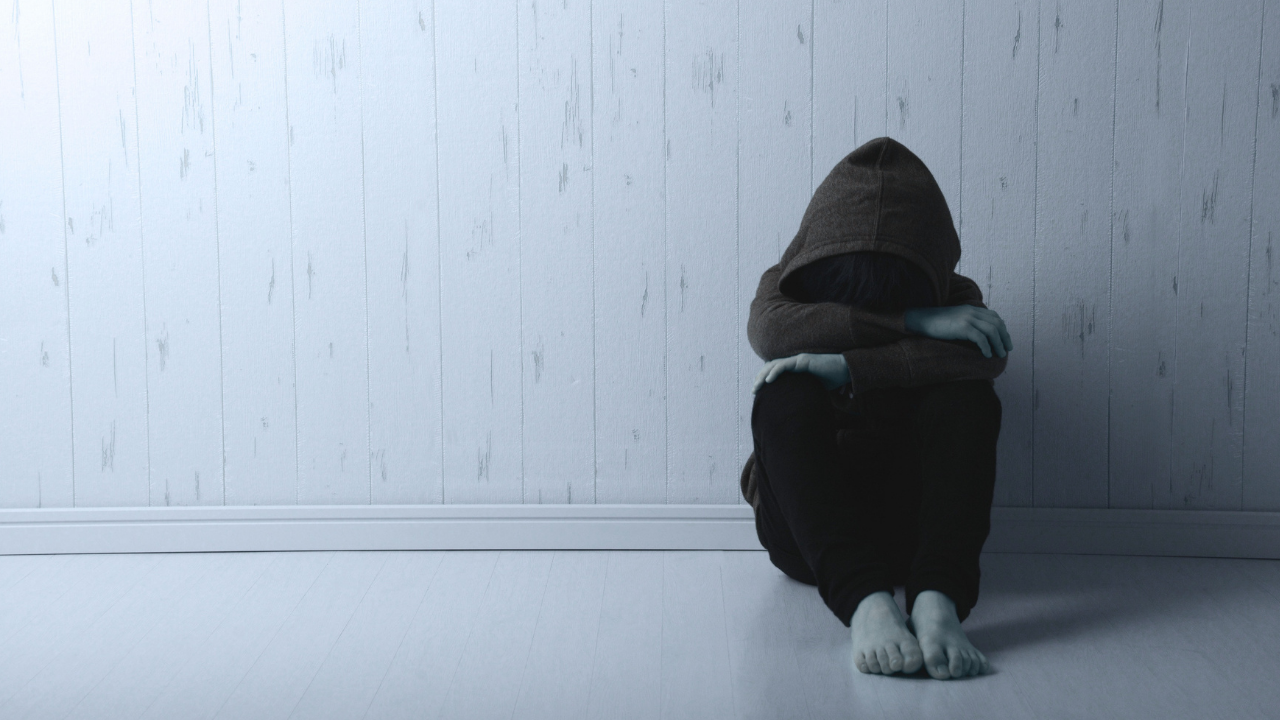
I got really good at pretending that everything was okay. On the outside, everything looked great. In reality, nothing was perfect.
– Candi Keffeler
For years, Candi Keffeler appeared to have what many people would describe as a stable life. She showed up for family events, attended her children’s sports activities, went to work, and smiled through conversations with friends and coworkers. To the outside world, everything looked intact.
Behind closed doors, however, she says she was living in what she now describes as “constant survival mode.”
In a recent interview, Keffeler reflected on the long-term emotional and physical effects of domestic abuse, the psychological toll of silence, and the complicated process of rebuilding a life after years spent hiding pain.
The Psychology of Performing “Normal”
Keffeler spent more than two decades in an abusive marriage before later entering another relationship she describes as even more psychologically dangerous. Throughout those years, she learned how to function publicly while privately struggling with fear, emotional exhaustion, and chronic stress.
She recalls becoming highly skilled at maintaining appearances. Mental health experts often describe this kind of emotional masking as a survival response. People living in chronic distress may continue fulfilling responsibilities — parenting, working, socializing — while disconnecting from their internal emotional state to cope.
Keffeler described the experience as living “a double life,” where one version of herself navigated everyday obligations while another quietly carried fear and shame.
When Survival Mode Becomes Normal
One of the themes that emerged repeatedly in the conversation was the idea of normalization — how prolonged exposure to chaos can reshape a person’s understanding of what feels familiar.
After leaving her 21-year marriage, Keffeler entered another abusive relationship, something she now looks back on with difficult questions about why harmful patterns can repeat themselves.
Her explanation reflects a dynamic trauma specialists frequently discuss: the nervous system’s adaptation to instability.
“You get so used to the chaos,” she explained. “You’ve been conditioned to it for so long that you don’t know any different.”
That adaptation can make peace itself feel unfamiliar. Keffeler noted that even after leaving abusive situations, adjusting to calm environments was unexpectedly difficult because her body had become accustomed to anticipating danger.
The Physical Toll of Chronic Stress
During the interview, Keffeler spoke candidly about the ways prolonged emotional distress affected her health. She described significant weight loss, constant headaches, exhaustion, and persistent physical stress symptoms before eventually being diagnosed with breast cancer at age 50.
While no single cause can definitively explain a cancer diagnosis, researchers have long studied the connection between chronic stress and physical health outcomes. Sustained activation of the body’s stress response system has been linked to sleep disruption, inflammation, weakened immune function, and elevated anxiety.
Keffeler believes years spent in fear contributed to the deterioration of her overall well-being.
“Stress is a killer,” she said plainly.
Her reflections underscore a broader reality many trauma survivors describe: emotional suffering rarely remains purely emotional. Over time, the body often begins carrying the burden as well.
Isolation in a Crowded Room
One of the more striking parts of the interview centered on loneliness — not physical isolation, but the feeling of emotional disconnection while surrounded by other people.
Keffeler described attending gatherings, smiling through conversations, and participating socially while internally feeling detached from everyone around her.
“You can be in a room full of people and still feel completely alone,” she said.
This type of emotional isolation is common among people experiencing abuse or trauma. Shame, fear, embarrassment, and uncertainty about how others will respond can create powerful barriers to disclosure. In many cases, silence becomes both a protective mechanism and a source of further suffering.
Keffeler said part of what kept her silent was the fear that speaking openly would force her to confront difficult realities she did not yet feel capable of changing.
The Turning Point
Eventually, the danger escalated beyond what Keffeler felt she could contain privately.
In discussing a later relationship that involved stalking, threats, and ongoing fear, she explained that concerns for her children and family ultimately pushed her to seek help from authorities.
The process was neither simple nor immediate. She described years of legal complications, protection order violations, and continued anxiety after the relationship ended.
Even now, she says certain triggers — unidentified phone numbers, vivid dreams, unexpected memories — can reactivate fear responses tied to the trauma.
Mental health professionals often refer to these experiences as lingering trauma responses, where the nervous system remains highly alert even after a person has physically left a dangerous environment.
Still, Keffeler says learning to communicate openly and building relationships grounded in emotional safety have become important parts of her healing process.
Why Small Conversations Matter
When asked what she would say to someone currently living in silence, Keffeler emphasized the importance of starting small.
Rather than framing healing as a single dramatic moment, she spoke about the value of reaching out to one trusted person — even if only vaguely at first. In her own life, her sister became one of the first people she cautiously confided in.
“Even if it’s small, start small,” she said.
That advice aligns with what many therapists recommend for individuals navigating abusive or traumatic situations. Disclosure often happens gradually, especially when fear and distrust have been reinforced over time.
Keffeler also stressed the importance of hearing reassurance from others after years of emotional degradation.
“Sometimes you just need to hear that you’re worth more than that,” she reflected.
Rebuilding Life After Trauma
Today, Keffeler says her life looks very different from the years she spent surviving. She describes finding stability in a supportive relationship, reconnecting with family, becoming more emotionally open, and learning to appreciate ordinary moments she once struggled to notice while living in chronic stress.
She has since written a memoir, Never Too Far Gone, which chronicles her experiences and recovery journey.
The title reflects the belief that even after years of trauma, fear, addiction, illness, or emotional exhaustion, change remains possible.
“I thought I was too far gone,” she said. “But I wasn’t.”
For many survivors, healing does not erase what happened. Instead, it often involves learning how to live beyond it — gradually replacing survival with stability, and silence with connection.
