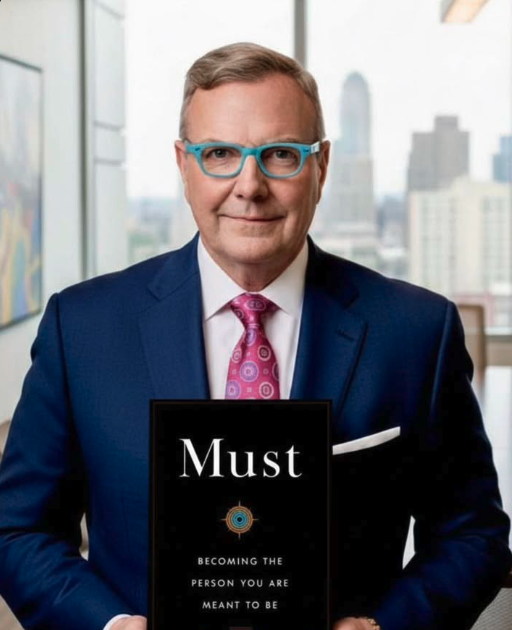

You already have everything you need inside of you. Pull out the weeds, and let who you’re meant to be grow.
– Stephen Rue
Life often shapes us long before we have the language to understand what’s happening. Early experiences—especially those marked by loss, instability, or trauma—can quietly influence how we see ourselves, how we cope with stress, and how we move through the world. For many people, these experiences become something to endure rather than something to explore. But trauma doesn’t have to be a life sentence. With awareness, structure, and intention, it can become the starting point for growth.
Stephen Rue’s life was profoundly shaped by loss at an early age. His parents divorced when he was six, and his father soon disappeared from his life. A few years later, Stephen experienced a second rupture: the sudden death of the man who had become his true father figure. At just eleven years old, the sense of safety and stability he had briefly known vanished again.
In the aftermath, grief wasn’t processed—it was survived. Stephen felt pressure to stay strong, to protect others, and to move forward without falling apart. Like many people who experience trauma early, he learned how to function, but not yet how to heal.
Over time, that unresolved pain became the catalyst for a deeper journey—one that would lead him into decades of study in personal development, leadership, trauma recovery, and human behavior. Through that process, Stephen came to articulate a framework he calls the must mindset: a way of living grounded in non-negotiable inner commitments that guide behavior, values, and purpose, even in the face of stress or adversity.
What the “Must Mindset” Really Means
A must mindset isn’t about willpower or motivation. It’s about clarity. It begins with identifying the internal commitments that are not open for debate—such as I must protect my wellbeing, I must grow, or I must live in alignment with my values. These commitments act as anchors when life feels chaotic.
Rather than denying pain, this mindset acknowledges it while refusing to let it define identity or direction. It shifts the question from “Why did this happen to me?” to “Who do I choose to become because of it?”
For Stephen, this shift was modeled early by his mother, who—amid her own devastation—made a clear, internal decision to protect and care for her children. That moment illustrated how purpose can emerge directly from suffering, not after it disappears.
Moving Beyond Survival Mode
Many people remain stuck in survival mode long after the original threat has passed. The nervous system stays activated, the mind stays vigilant, and stress becomes the default state. Over time, this leads to burnout, emotional reactivity, and a sense of being disconnected from meaning.
One reason this happens is that people often define themselves by what they’ve endured. Statements like “I am broken,” “I’m not enough,” or “This is just who I am now” quietly reinforce old narratives.
A powerful first step toward change is examining these internal definitions. Writing down “I am…” statements can reveal unconscious beliefs that shape behavior. Once identified, these beliefs can be questioned, released, and rewritten—creating space for a more accurate and compassionate self-understanding.
Reframing Stress and Suffering
Stress often feels overwhelming because it collapses time. The mind jumps ahead to worst-case scenarios, while the body reacts as if those imagined outcomes are already happening. One simple but effective reset is returning attention to the present moment and asking: “Right now, in this moment, am I safe?”
This doesn’t minimize real challenges—it separates the person from the problem. Stress becomes something you are experiencing, not something you are. That distinction alone can reduce emotional intensity and restore clarity.
Stephen emphasizes that suffering and blessings often coexist. Even in painful seasons, there are elements of stability, connection, or possibility that remain. Recognizing this doesn’t erase grief—it prevents it from becoming the entire story.
Values, Standards, and Purpose
Lasting change requires more than insight; it requires structure. One practical way to create that structure is by identifying core values across key areas of life—health, relationships, work, finances, contribution, and personal growth. From there, individuals can define personal standards: the minimum levels of behavior and care they are willing to accept from themselves.
Purpose naturally follows. Often, it’s rooted in lived experience, especially experiences that required resilience. But many people unknowingly live according to expectations inherited from others rather than values chosen intentionally. Clarifying purpose involves asking whether current goals genuinely reflect who you are now—or who you were taught to be.
When beliefs, values, standards, and purpose align, stress decreases. Decisions become simpler. Energy is conserved instead of scattered.
Small Actions Create Momentum
Transformation doesn’t require dramatic gestures. In fact, small, consistent actions are often more effective. Putting on walking shoes. Turning off a phone earlier at night. Write down one honest reflection. These micro-actions signal commitment to the nervous system and build trust with oneself.
Stephen cautions against the habit of “trying” without acting. Progress begins when intention is paired with movement—even if that movement is small.
A Different Relationship With the Past
The past cannot be changed, but the meaning attached to it can. Memories are not fixed objects; they are stories replayed over time. By shifting focus toward values and direction rather than old wounds, people create room for a future that isn’t dictated by earlier chapters.
Mental wellness and emotional resilience aren’t about eliminating stress or forgetting pain. They’re about learning how to return to alignment more quickly, respond instead of react, and live with intention rather than fear.
The must mindset offers a practical reminder: even when life is hard, we still have agency over who we become next.