
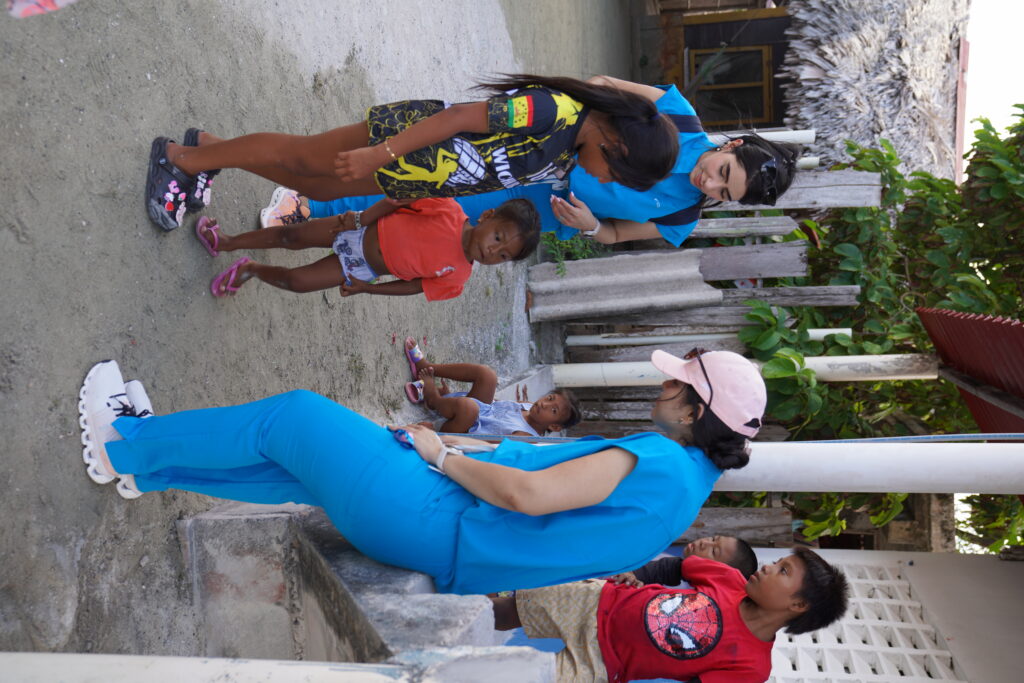
In the remote archipelago of San Blas, Panama—where healthcare often arrives by boat and the nearest specialist can feel worlds away—Unspoken Smiles has launched its Panama pilot in partnership with FLO International, bringing an integrated model of care to one of the country’s most underserved regions.
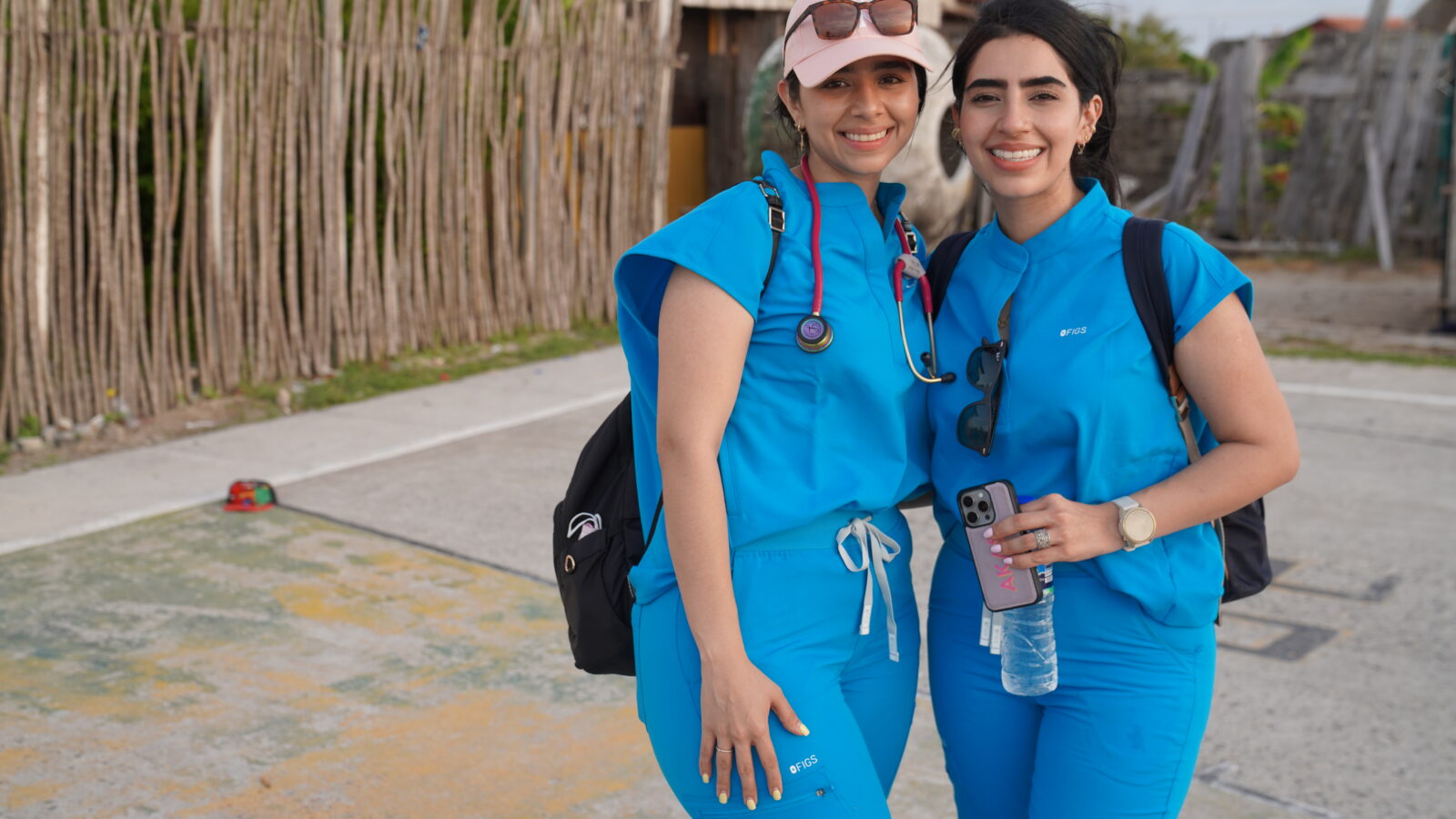
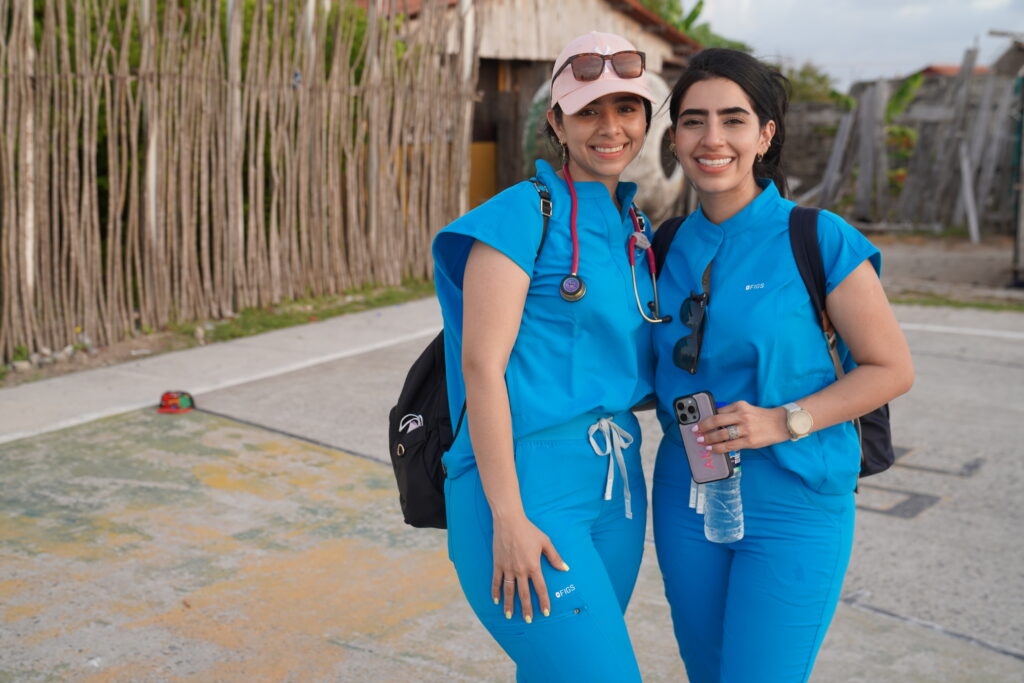
At the center of that pilot are two sisters.
One is a dentist. The other is a physician.
Together, they are helping Unspoken Smiles make the case for a truth global health has been slow to embrace: the mouth is not separate from the body, and dentistry and medicine were never meant to work apart.
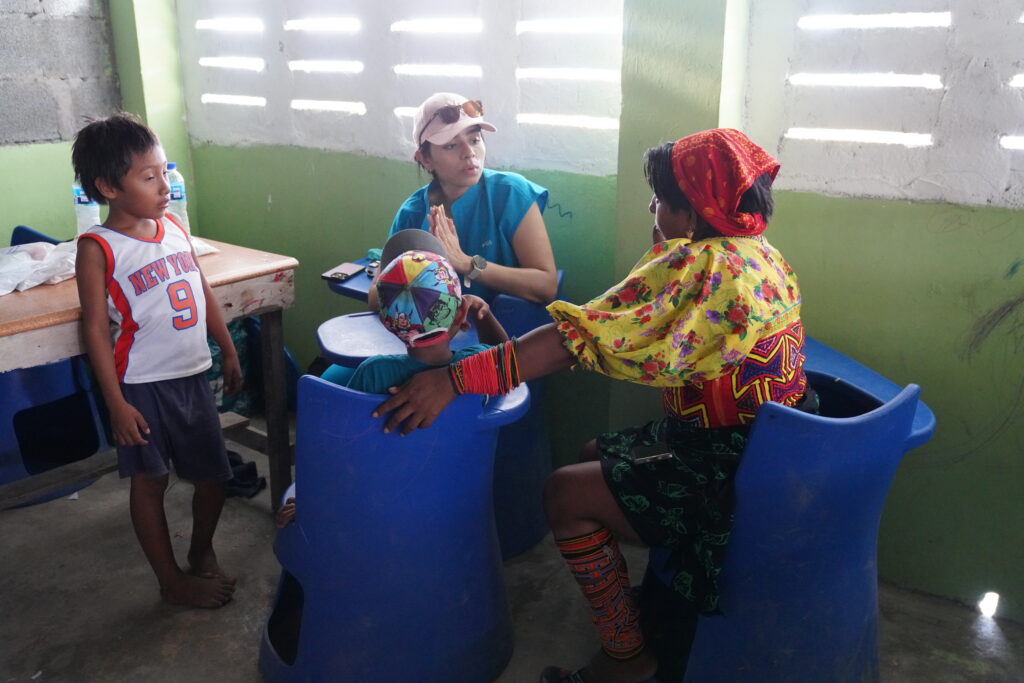
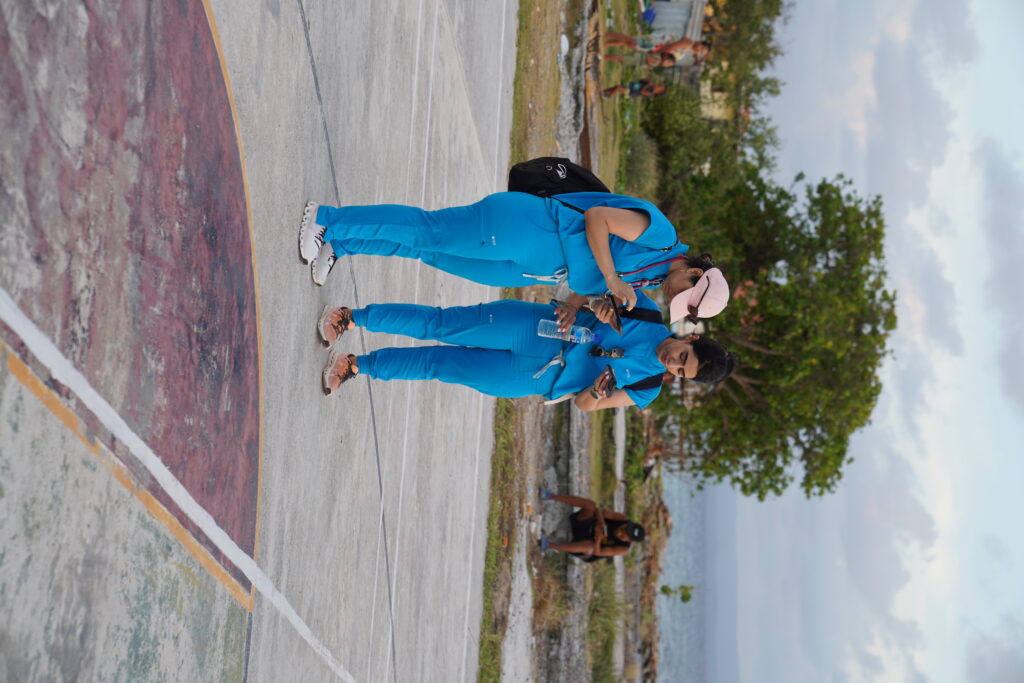
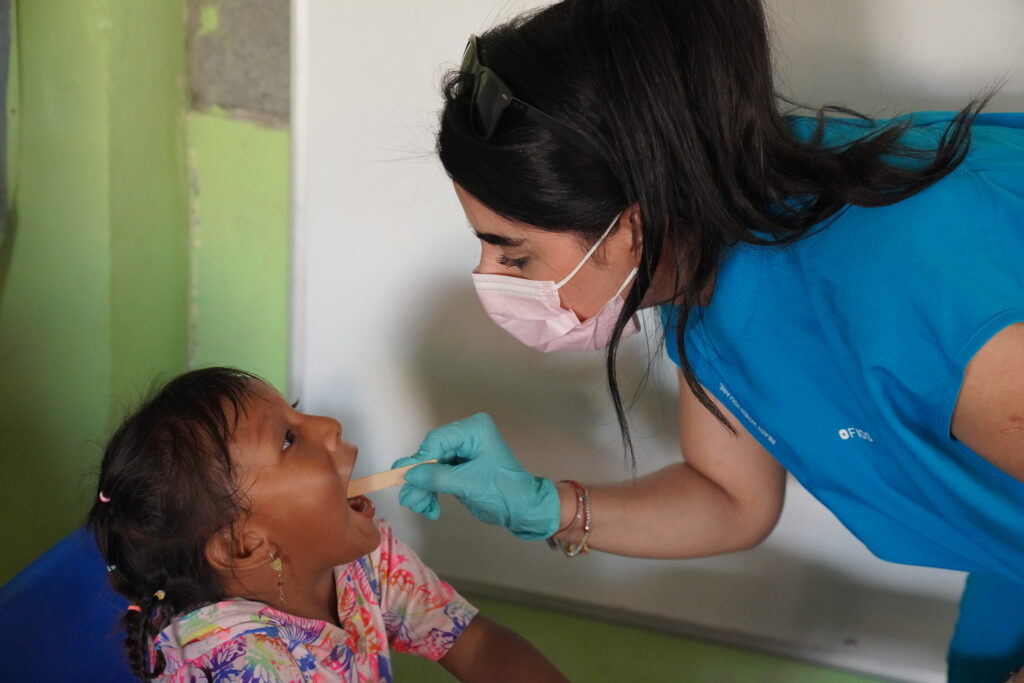
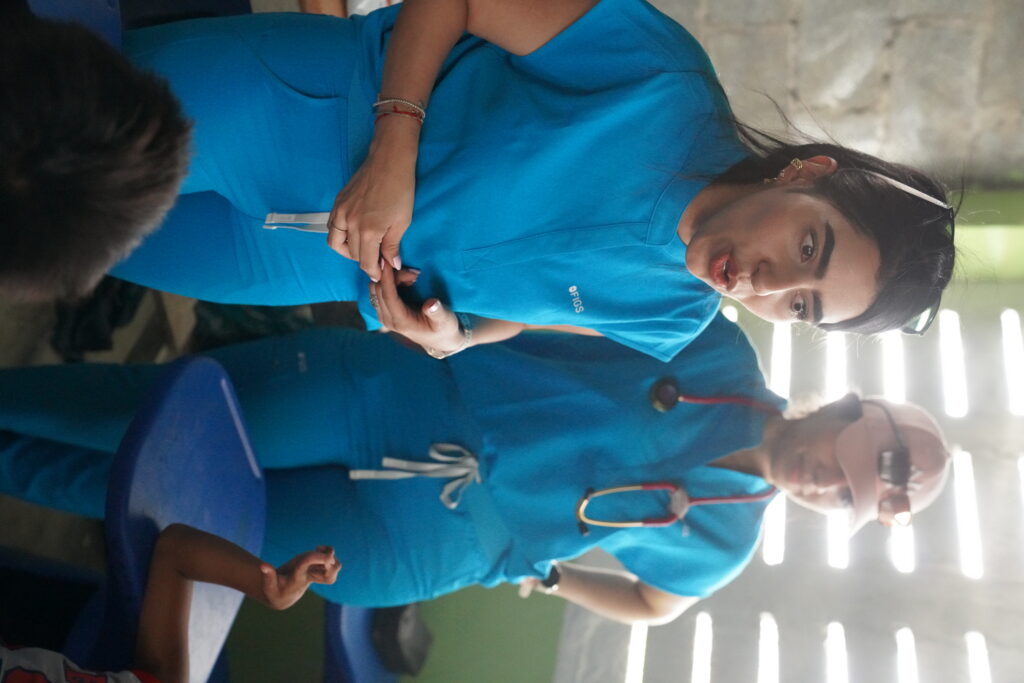
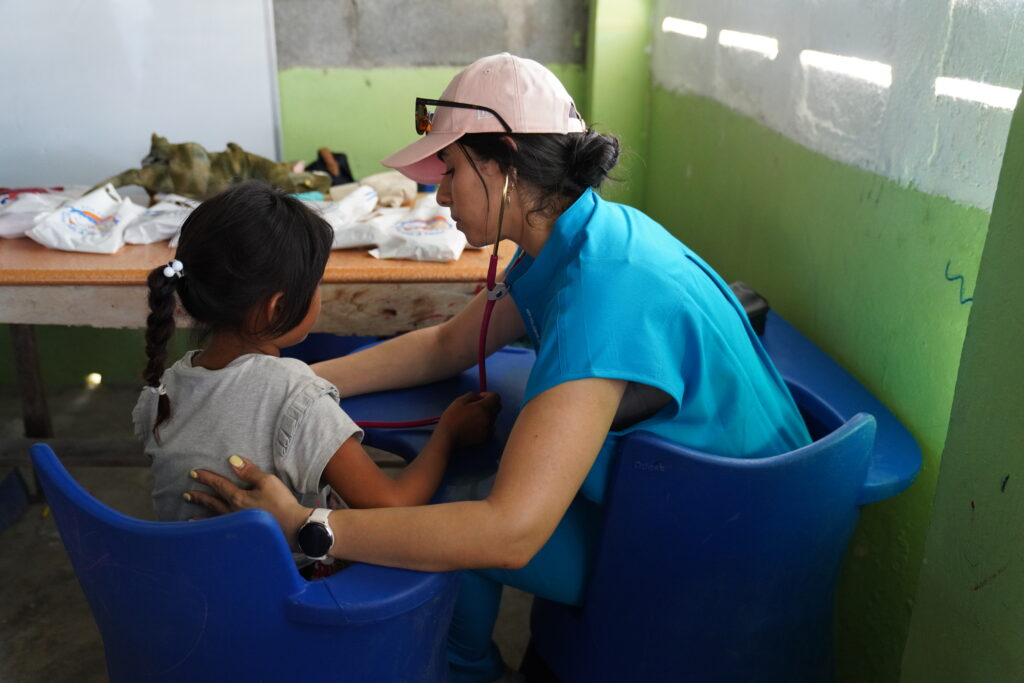
Leading the effort is Dra. Amany Aldali, a dentist and Unspoken Smiles inaugural Fellow from Costa Rica, whose work has focused on expanding access to preventive oral healthcare for underserved communities across Latin America. Joining her in San Blas is her younger sister, Dra. Sijam Aldali, a physician whose presence transforms what might otherwise be a dental mission into something far more consequential: a blueprint for integrated care.
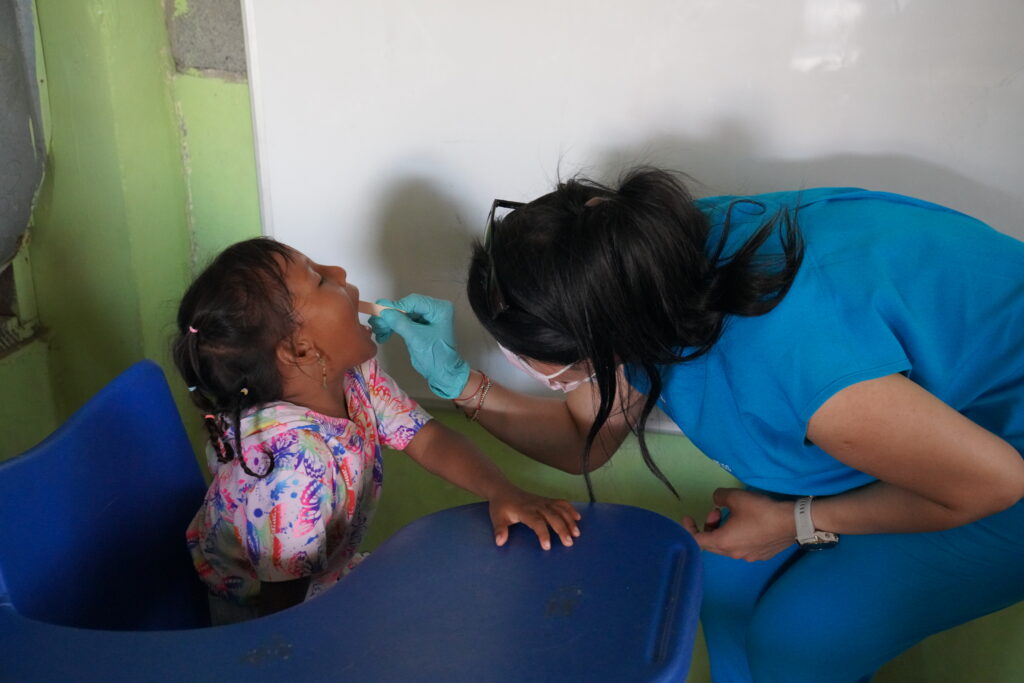
The launch of the Unspoken Smiles Panama pilot is not simply an expansion into a new country. It is a test of a larger idea—one that global health systems have long failed to implement at scale.
For decades, dentistry and medicine have operated in parallel: trained separately, financed separately, and too often practiced as though the mouth exists outside the rest of the human body. Dentists routinely identify signs of diabetes, malnutrition, cardiovascular disease, and autoimmune illness, yet often work outside the systems designed to manage them. Physicians treat chronic disease while overlooking one of the body’s most persistent sources of inflammation: oral disease.
The result is a healthcare model fragmented by design.
In San Blas, Unspoken Smiles is piloting something different.
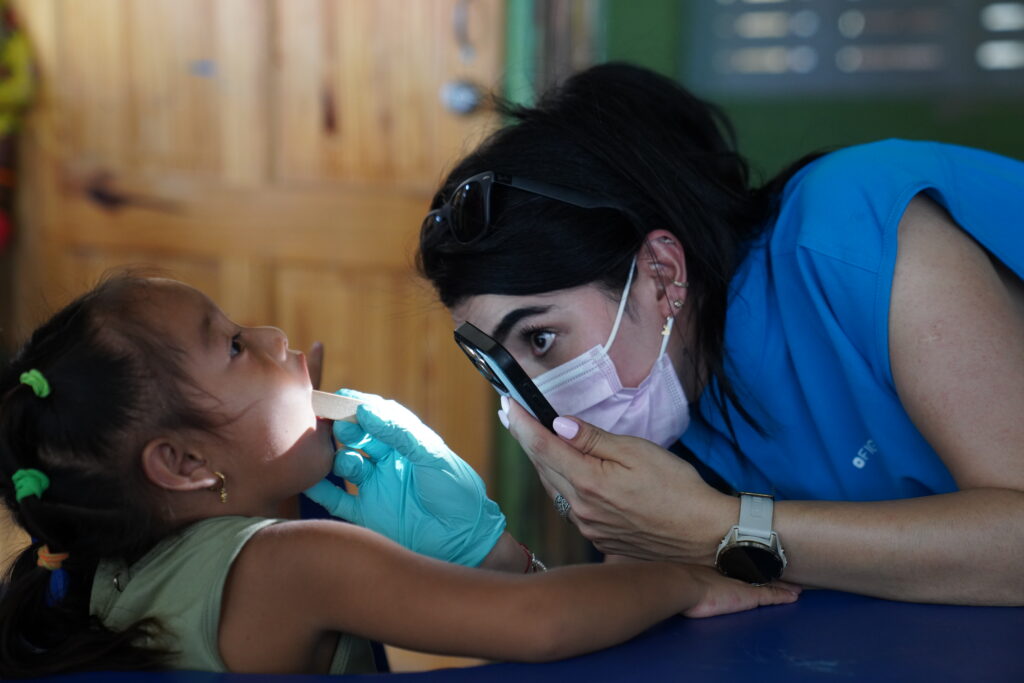
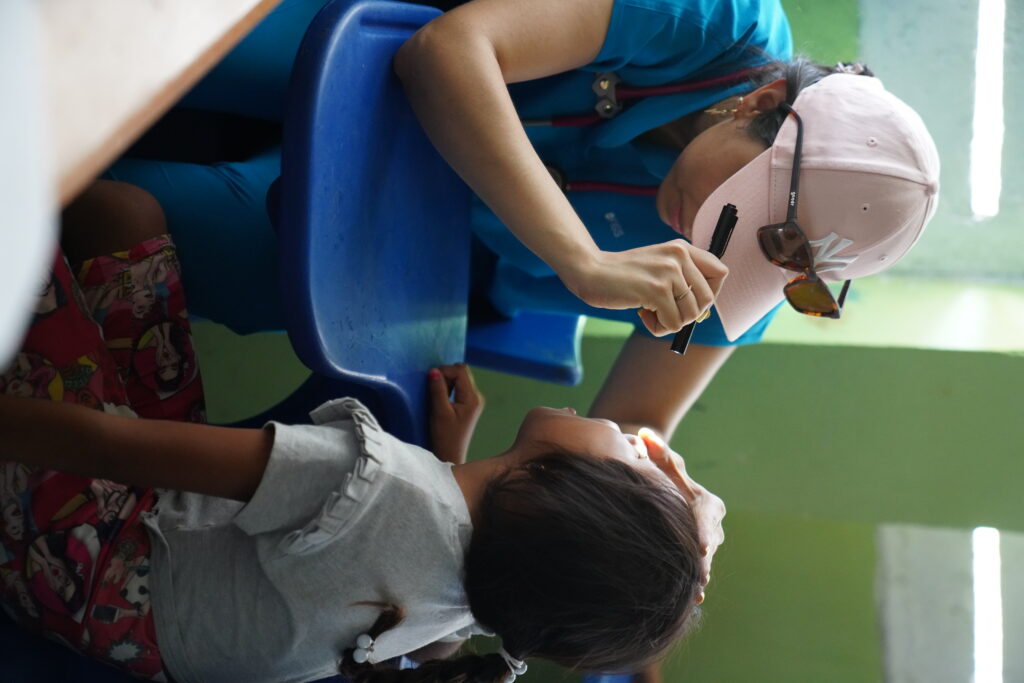
When Amany examines a child with severe untreated cavities, she is not simply diagnosing tooth decay. She is identifying pain, infection, poor nutrition, interrupted sleep, and missed school days. She is seeing the earliest signs of a broader health crisis—one her sister is trained to assess through a medical lens.
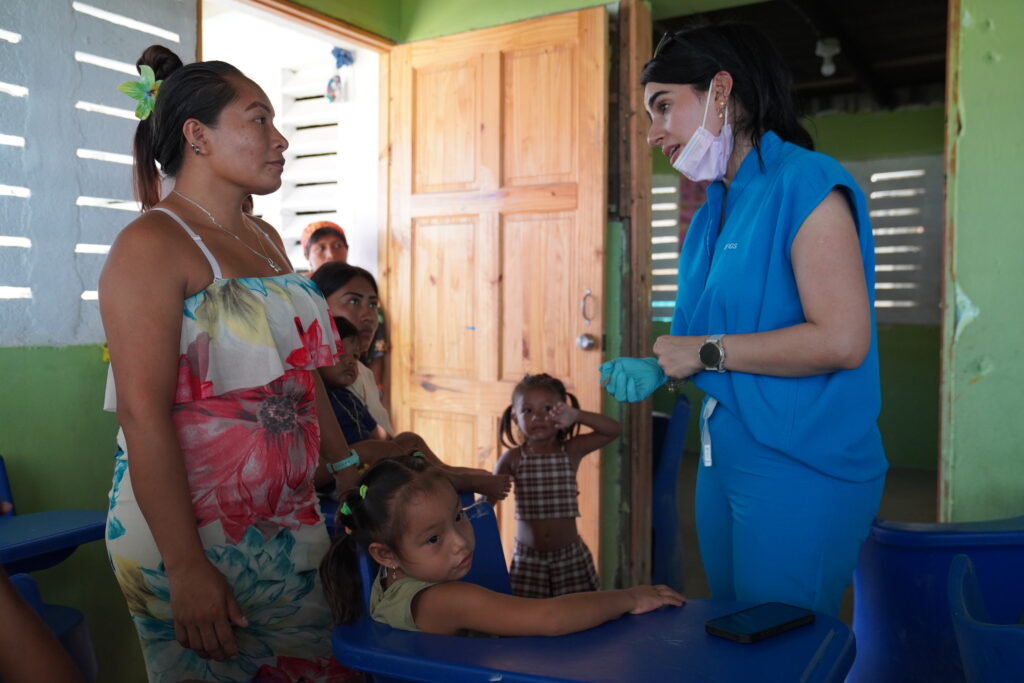
When Sijam sees chronic fatigue, recurrent infections, or signs of systemic inflammation, she is not treating symptoms in isolation. She is asking whether oral disease may be part of the diagnosis.
That is the premise behind the Unspoken Smiles Panama pilot: not separate systems, but shared care.
And in San Blas, where geographic isolation makes fragmented healthcare even more costly, that distinction matters.
For the Guna communities of San Blas, access to care is often episodic. Prevention is rare. Specialists are scarce. Families are too often forced to wait until pain becomes urgent and treatable conditions become crises.
The Unspoken Smiles model—developed through years of preventive oral health work in underserved communities—was designed to intervene earlier. By launching in Panama with FLO International, the organization is extending that model beyond dentistry alone and testing what healthcare can look like when oral health is treated as part of primary care, not apart from it.
That shift is long overdue.
Oral disease remains one of the most common health conditions in the world, affecting billions. Untreated dental infections can become systemic. Periodontal disease has been linked to diabetes complications, cardiovascular disease, respiratory illness, and adverse pregnancy outcomes. In children, untreated oral pain can disrupt sleep, nutrition, speech development, and educational performance.
Yet oral health remains one of the most neglected pillars of global health.
What makes the Panama pilot so compelling is not simply that Unspoken Smiles is reaching another underserved community. It is that the organization is using San Blas to demonstrate what wealthier, more sophisticated health systems still struggle to do: treat the patient as a whole.
A child with untreated decay may also need nutritional intervention, medical follow-up, and family health education. A pregnant mother with gum disease may require both prenatal monitoring and oral treatment. An elder living with chronic illness may need coordinated care that recognizes the two-way relationship between oral inflammation and systemic disease.
This is not dentistry versus medicine.
It is healthcare practiced as it should be.
What Unspoken Smiles has launched in Panama, through its partnership with FLO International, is more than a pilot. It is a challenge to the false divide that has shaped modern healthcare for generations.
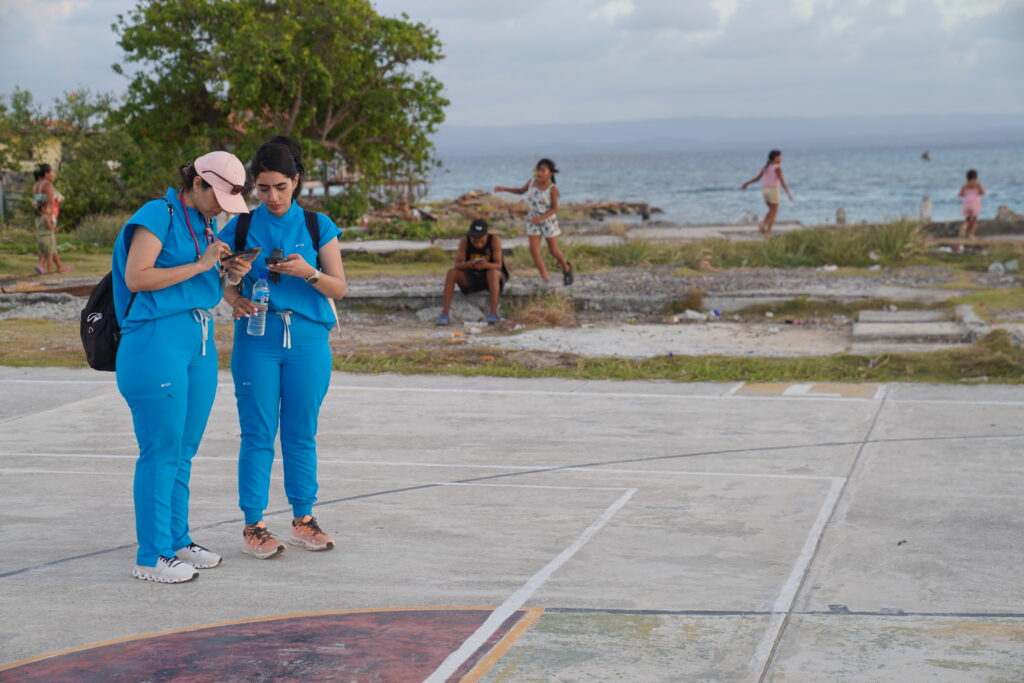
And in San Blas, two sisters—one in dentistry, one in medicine—are proving that the future of care may depend on finally closing it.