
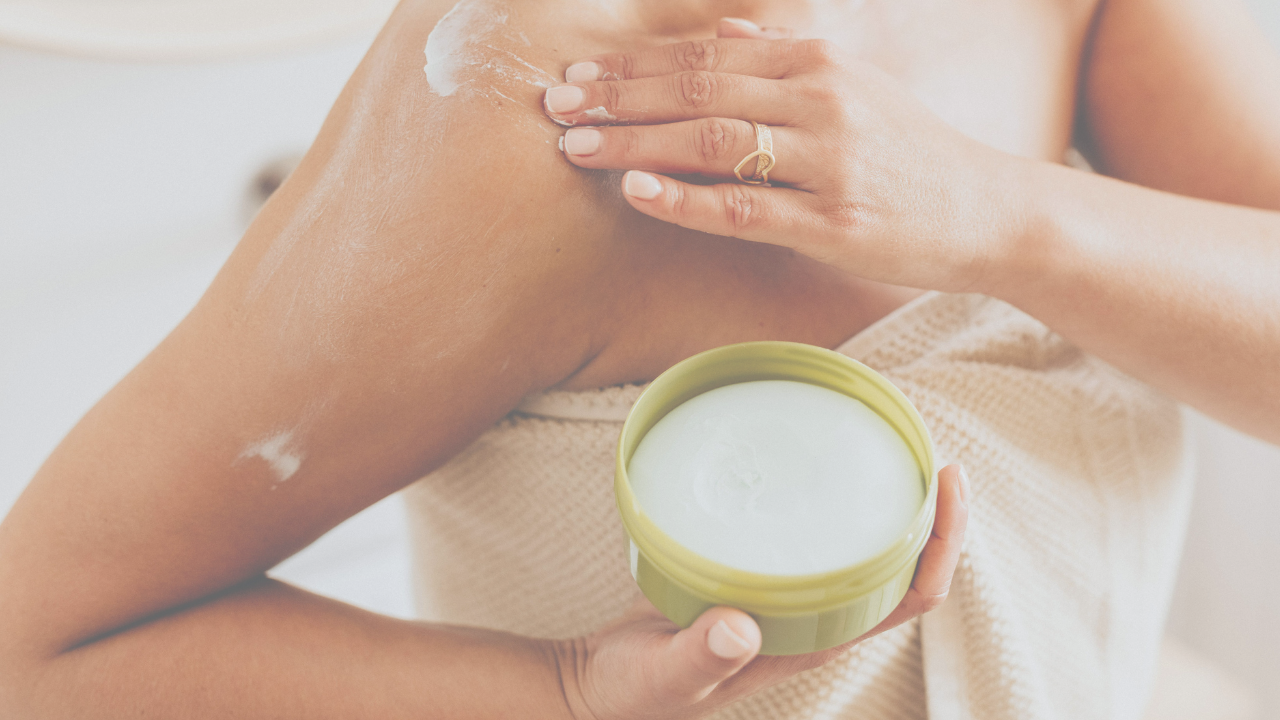
It’s about the skin, but it’s not about the skin… because it’s never just a skin issue.
– Cindy Tusa
Breakouts before an important moment. Dullness after a difficult season. Flare-ups that seem to appear out of nowhere. Sometimes the face reacts before we consciously realize what we’re carrying.
What if these changes aren’t random at all?
What if the skin isn’t something to fix—but something to listen to?
Over time, it becomes clear that skin is not separate from the rest of the body. It is a responsive system, deeply connected to the nervous system, emotional patterns, lifestyle rhythms, and internal balance. When something feels off beneath the surface, the skin often reflects it—quickly and honestly.
It’s About the Skin, but It’s Not Just About the Skin
Because the skin is visible, it can feel intensely personal. When someone looks in the mirror and doesn’t like what they see, it can trigger stress, self-criticism, and a sense that something is “wrong.”
Yet skin concerns are often signals, not failures.
Products and treatments can absolutely help—and sometimes they work beautifully in the short term. But when the same issues return despite “doing everything right,” it often points to a deeper layer that hasn’t been addressed yet.
Lasting change usually requires looking beyond the surface.
Why Skin Issues Keep Coming Back
Many people stop at the external layer: cleanser, moisturizer, serum, treatment. And while those tools matter, they don’t always address what’s driving the skin from the inside out.
Stress hormones, sleep deprivation, emotional pressure, unresolved fear, and chronic self-judgment all influence inflammation and hormonal balance. That internal chemistry has a way of showing itself on the skin—sometimes faster than we expect.
The body is constantly responding to internal signals. The skin is simply part of that response.
The Speed of Stress and the Subconscious
Fear, insecurity, and pressure can trigger physiological changes almost instantly. Thoughts and emotions influence blood chemistry, cortisol levels, and inflammatory responses in real time.
That’s why breakouts often appear before exams, presentations, dates, or emotionally charged events. The body moves into protection mode, and the skin reflects that shift.
It can feel like betrayal—but it’s actually communication.
Emotional and Physical Health Work Together
Emotional and physical well-being are not separate systems. Poor sleep, high stress, and overexertion make emotional balance harder to access. At the same time, anxiety, overwhelm, and fear often drive choices that further strain the body.
These patterns can create downward spirals—but they can also be reversed.
When the body is supported with rest, nourishment, movement, and calmer internal dialogue, the skin often responds. Balance builds balance.
The Cost of “Fixing” Instead of Listening
Many people spend significant time and money trying to fix their skin—and still feel unhappy. Often, the frustration isn’t about the skin itself, but about deeper beliefs quietly running in the background:
- “I’m not good enough.”
- “I don’t like what I see.”
- “Something is wrong with me.”
These beliefs create stress that feeds the very issues people are trying to eliminate.
Quick-fix culture and comparison-driven messaging only intensify the cycle. When products don’t deliver promised results, people internalize the disappointment—especially young women—and the stress deepens.
No Two Faces—and No Two Systems—Are the Same
There is no one-size-fits-all approach to skin or beauty. Even people with identical DNA develop differently over time because perception, stress, posture, expression, and lived experience shape how the body expresses itself.
Faces reflect how we live inside ourselves.
When something works for someone else but not for you, it doesn’t mean you’re broken. It simply means it isn’t yours—and that realization alone can be freeing.
What the Face Can Reflect Over Time
Over time, the face can reflect how someone is carrying life. Tension, stress, guilt, frustration, and self-criticism often show up subtly—in muscle holding, texture, tone, and inflammation.
When the nervous system is calm, skin often appears calmer. When the nervous system is under pressure, the skin may look reactive or unsettled.
This isn’t about judgment. It’s about awareness.
The Role of Care, Touch, and Environment
The right environment can help the body soften and release. Feeling genuinely cared for—through rest, touch, or a sense of safety—can signal the nervous system to shift out of protection mode.
When people feel supported, the body often lets go of what it has been holding. That release can show up emotionally, physically, and on the skin.
The Microbiome and Internal Balance
The body exists in partnership with trillions of microbes that support health and balance. Stress can disrupt that ecosystem, while sleep, nourishment, and lifestyle choices can help restore it.
Reducing excessive sugar, artificial ingredients, and chronic stress—while increasing rest, movement, sunlight, and supportive routines—helps create an internal environment where healing is more possible.
The Body Knows How to Heal
One of the most overlooked truths is that the body has an innate capacity to heal when given the right conditions.
Health isn’t about forcing the body into submission. It’s about creating safety, patience, nourishment, and consistency. Suppressing symptoms alone doesn’t create wellness—it often adds more strain.
Listening changes the relationship entirely.
Reprogramming Begins with Small Shifts
Thoughts and emotions influence the body immediately, but change doesn’t require perfection. It begins with one supportive choice:
- a walk outside
- better hydration
- gentler self-talk
- more rest
- fewer stress triggers
As the body feels safer, curiosity grows. As curiosity grows, deeper beliefs—like worthiness and self-acceptance—can begin to shift naturally.
Sometimes the skin isn’t asking to be fixed.
It’s asking to be heard.