
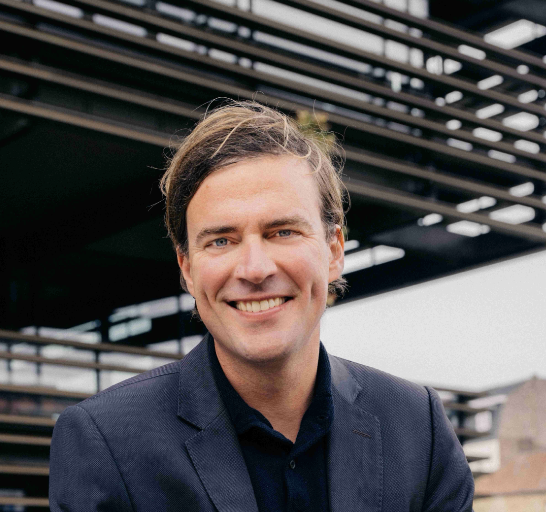

Last summer, my body forced me to stop. After a long night of negotiations, I woke up with severe chest pain and struggled to breathe. Because I once had a collapsed lung at eighteen, I feared the worst. An ambulance took me to the ER, where doctors told me something I had ignored for too long: I was seriously overworked. As one doctor put it, “If you don’t take this seriously, we’ll see you again in September—and you’ll be out for a year.”
It was a clear alarm.
Being a mayor is a 24/7 responsibility. You are constantly “on,” constantly reachable, constantly absorbing the emotions and expectations of others. Add to that a turbulent election year, intense coalition talks, and the pressure of leading a city while raising two children—and eventually, your system gives out. Mine did.
I’ve learned that there is no performance without recovery. You cannot keep drawing energy from your tank without refilling it. For years I believed productivity meant always being in motion, always responding, always pushing. But the truth is the opposite: rest makes you sharper, calmer, more creative, and ultimately a better leader.
Today, I approach my work—and my life—differently. I protect my boundaries. I sleep eight hours instead of six. I put my phone away more often and no longer feel the need to answer every message instantly. I’ve learned breathing techniques that help me reset between meetings. I leave space in my agenda, and I make time for my children’s football games, for walks in nature, for friends I had neglected too long. As I said in my recovery: “Alongside the accelerator, I’ve learned to use the brake.”
This experience wasn’t just about me. Many people are struggling—balancing demanding jobs, families, financial stress, or simply the weight of modern life. During my recovery, citizens sent me hundreds of cards and letters sharing their own stories. People stopped me in the street to say they were also “keeping their head above water.” It reminded me how universal this is.
I now speak openly about what happened because I believe leaders have a responsibility to model healthier ways of working and living. Burnout is not a personal failure; it is a signal. And listening to that signal is an act of strength, not weakness.
If anything, this period has made me a better mayor—more present, more grounded, and more aware of the importance of mental wellbeing, healthy leadership, and setting boundaries.
I’m grateful my body spoke up when it did. And I’m grateful I finally listened.