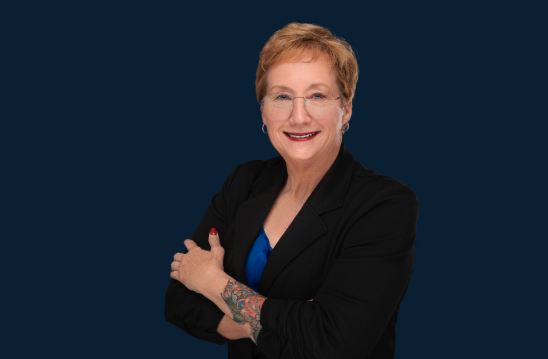

Optimization isn’t about cutting corners, it’s about reclaiming what’s rightfully yours.
– Kathryn Rowell
In today’s fast-paced business world, owners and leaders are often so focused on growth and customer service that they don’t notice the hidden leaks in their bottom line. Unchecked vendor contracts, complicated billing structures, and industry-standard “fees” quietly eat away at profits, leaving businesses with less flexibility to expand or reinvest. Kathryn Rowell, founder of Kathryn Rowell Consulting, has dedicated her career to uncovering these blind spots and recovering significant savings for businesses that didn’t even know money was slipping away. With over 36 years of experience in financial management and vendor negotiations, Kathryn has built a reputation as a trusted advisor who brings clarity, efficiency, and real results.
What makes Kathryn’s approach unique is her no-risk, self-funded model. She works behind the scenes to analyze expenses, identify where overpayments exist, and negotiate new solutions, often delivering tens of thousands of dollars in recovered profits. By offering businesses a path to optimization without upfront costs, Kathryn empowers owners to redirect savings toward meaningful improvements like hiring, innovation, and better employee benefits. In this interview with Stacey Chillemi, Kathryn shares her backstory, practical insights, and strategies for business owners looking to stop overpaying and start maximizing their financial potential.
Thank you so much for joining us! Our readers would love to get to know you a bit better. Can you tell us a bit about your backstory?
Thank you, Stacey. It’s a pleasure to be here. I was born and raised in Fort Worth, Texas, and I’ve always been proud to call myself a native Texan. My professional background is rooted in over 36 years of working with local government, where I focused heavily on contracts and vendor negotiations. Over time, I realized that the very skills I used in government—protecting taxpayer dollars and making sure contracts were fair—could be applied to the private sector. Today, I use that same knowledge to help businesses identify where they’re overpaying vendors and recover profits they didn’t even realize they were losing.
What sparked your passion for helping businesses uncover hidden overpayments to their vendors?
It really came from understanding how overwhelming it can be for business owners to juggle everything at once. Most are focused on sales, growth, and keeping their customers happy—they rarely have the time or specialized knowledge to dig into vendor contracts and decipher whether they’re paying too much. My passion comes from stepping into that gap and providing clarity where there’s usually confusion. I’ve built a database of pricing benchmarks that allows me to compare vendor rates and uncover what the true costs should be. For me, it’s incredibly rewarding to help businesses regain control of their profits while ensuring vendors remain profitable without taking advantage of the client.
When it comes to spotting overpayments, what are the most common areas where you see clients losing money?
The three areas I consistently see businesses overspending in are credit card processing fees, telecom or internet services, and waste management. Waste management can include everything from general trash disposal to recyclables and even medical waste, depending on the type of business. These categories are so common because they’re necessary operational costs that often go unquestioned. Business owners tend to set them up once and assume everything is fair, but the reality is that hidden overcharges can add up quickly. By shining a light on these overlooked expenses, we often find significant savings.
Are there particular industries or vendor categories that tend to bleed profits more than others?
Yes, certain categories tend to stand out almost every time. Merchant services are a big one because credit card processing fees can become a silent profit drain, especially for businesses with high transaction volumes. Telecom services are another, as contracts are often complicated and bundled in ways that obscure the true costs. Waste contracts are notorious as well, and if a business operates its own fleet, fuel costs can be another area to examine closely. In all of these cases, businesses end up spending more than they need to simply because they don’t know what fair market pricing looks like.
Can you walk us through your free, self-funded upfront analysis process?
The process is designed to be simple and stress-free for the client. A business owner will reach out and say, “I think I might be overpaying in this area,” whether that’s telecom, card processing, or another service. We then ask them to provide three months of statements for the categories in question. My team and I analyze those statements against our pricing database to see where discrepancies exist. Within 20 minutes to an hour, depending on the complexity, we can usually determine whether savings exist. Once we’ve reviewed everything, we present the client with options and walk them through their potential savings before any decisions are made.
How do you structure your services so there’s no risk for the client?
Our model is completely self-funded, which means there’s no upfront cost or risk for the client. We do all the analysis work first, and if we find savings, we share them equally with the client on a 50/50 basis. If we don’t find savings, then there’s no fee at all. This structure ensures that clients never feel pressured or concerned about wasting money. They either walk away knowing they’re fully optimized, or they gain significant savings without having had to lift more than a finger.
How do you validate and present your findings to clients?
We present clients with a value report that clearly lays out the comparison between their current rates and the potential new options. This report typically includes three scenarios: a re-negotiated rate with their current vendor and two alternative vendor choices. We provide percentages, dollar savings, and even practical details that might matter more to the client than cost alone, like service convenience. For example, one client chose a slightly lower savings option because it allowed them to continue fueling their vehicles at a station located right next to their home. It’s all about giving the client control and showing them they have choices.
What benchmarks or metrics do you use to measure success?
We measure success by showing the exact difference between the current and new rates and then tracking those savings over time. Our post-audit reports provide monthly updates on the percentage saved and the total accumulation of savings across the life of the contract. Many agreements are tracked for up to 36 months, so clients see the long-term benefit of the decision they made. This ongoing reporting also gives them peace of mind that the savings are real and continuing. It’s not just a one-time adjustment—it’s an ongoing profit protection strategy.
Could you share a standout example where you uncovered significant savings?
One of my favorite examples was a flooring store struggling with high credit card processing fees. We examined their statements and found they were paying far more than they should have been due to interchange rates. By comparing options, we were able to present two choices that saved them either $70,000 or $72,000 annually. They chose the higher savings option, which meant $108,000 in profit recovered over three years. That’s the kind of transformation that can allow a business to expand, reinvest, or simply breathe easier financially.
What common mistakes should businesses avoid in vendor relationships?
A common mistake is rushing into vendor agreements, especially for newer businesses. In the rush to set up operations, many owners don’t shop around or compare pricing. Vendors know this and may take advantage of that urgency. Over time, these “quick decisions” can cost businesses thousands of dollars in unnecessary expenses. My advice is to slow down, do your research, and revisit agreements regularly to ensure you’re not bleeding profit without realizing it.
What’s a quick win that business owners can implement right now to check for overpayments?
A great place to start is with your telecom services. Ask yourself if your phone lines and internet are bundled and whether you’re receiving an appropriate discount for that bundling. If you don’t know, or if it seems unclear, that’s a red flag worth investigating. Another quick win is looking beyond local vendors—sometimes national providers can deliver better rates and stronger service. Just taking the time to ask these questions can put a business owner on the right track toward savings.
For business owners ready to take action, what’s the next step to work with you?
The easiest first step is visiting my website. From there, we set up a 30-minute consultation to determine if my team and I are a good fit for their business. During that call, we discuss their pain points, review potential areas of overpayment, and decide how best to proceed with the analysis. I also provide my direct phone number, making it simple for business owners to connect with me directly if they prefer that personal touch.
What key takeaway do you want listeners and readers to remember?
I want business owners to know they always have options. Paying high rates doesn’t have to be the norm, and sometimes all it takes is a fresh set of eyes to uncover hidden profits. With my model, there’s no upfront risk—if I can’t find savings, there’s no cost to the client. But if I do find them, those savings can be life-changing for a business. Whether it’s hiring more staff, enhancing benefits, or investing in new opportunities, those recovered profits can make a real difference.
Do you work with businesses across the U.S. and Canada?
Yes, I do. I work with businesses nationwide as well as in Canada. The beauty of this type of work is that it isn’t limited by geography. Vendor contracts and costs affect businesses everywhere, and my expertise allows me to help no matter where the client is located.
What would you say to a busy business owner who feels they don’t have time to review expenses?
I completely understand, and honestly, that’s the reality for most owners. Running a business requires wearing many hats, and reviewing vendor contracts rarely makes it to the top of the list. That’s why bringing in a professional like me can be such a relief. I quietly handle the analysis behind the scenes, giving them back the time they need while ensuring they’re not leaving money on the table. It’s about creating efficiency and peace of mind, not adding another burden to their workload.
What’s the broader impact of optimizing vendor expenses?
Optimizing expenses has ripple effects far beyond the balance sheet. The money saved can be redirected to areas that support growth—whether that’s hiring another employee, expanding operations, or improving customer experience. It also reduces stress for owners who constantly feel like expenses are outpacing profits. By regaining control of their costs, businesses can plan more confidently and position themselves for long-term success.
How can our readers further follow your work online?
The best way to connect with me is through my website, kathrynrowellconsulting.com. I’m also available by phone at (817) 929-6100, and I accept both calls and text messages. Whether it’s a quick consultation or a deeper dive into vendor costs, I’m always happy to start the conversation.
Kathryn, this has been such an enlightening conversation. I think so many business owners overlook the very areas where you’re finding savings, and it’s clear your work makes a real difference. Thank you for sharing your expertise with us today.
Thank you, Stacey. It’s been a true pleasure being part of this conversation. I always enjoy spreading awareness about the opportunities businesses have to protect and recover their profits. I appreciate the chance to share my perspective, and I hope it encourages more owners to take a closer look at their expenses.