
Sometimes we don’t realize how easy it is to drift away from the reason you work until joy touches you again and something inside you remembers. For me, that reminder didn’t arrive in a crisis or a collapse. It came quietly, during an ordinary dinner, barefoot in the kitchen, sitting at the kiddie table while my son, Kingston, laughed—one of those bright, unfiltered, little-boy laughs that ripples through a home and resets the air. I didn’t just hear him. I felt him. I felt myself—present, unhurried, alive in a way I hadn’t been in a while. And it startled me, the way joy can arrive like a reunion with a part of you that had been waiting. I realized I had built this business with the intention of creating more space and flexibility. But without clear and consistent boundaries, I would be living adjacent to my own life—close enough to function, far enough to forget how it felt to inhabit joy fully.
My career has taught me grit, fulfillment, and endurance. Connecting with my purpose had taught me intention and impact. But motherhood taught me the absolute joy of being present. It revealed the truth that no accomplishment, no platform, no title would ever matter more than being well enough—body, mind, and spirit—to show up for the moments that matter. I didn’t want my son to inherit my pain as normal. I wanted him to inherit my joy and capacity to savor and to be fully present.
My Breaking Became My Beginning
The recovery from the major surgery I mentioned earlier pulled me into mandatory stillness. Recovery forced me to confront the cost of a life lived on adrenaline. I could no longer outrun what my body had been whispering for years: You matter, too. This time, I didn’t want to climb back into the same patterns. I wanted to come back home—to myself, to God, to a way of living that was sustainable, joyful, and hon est. My theme song, “Enjoy” by Janet Jackson, played on repeat in my earphones as I gained strength to walk, jog, and eventually run again. I made room to dance, laugh, and enjoy! My well-being in my recovery became my top priority. I reached out for accountability and support on my journey. My coach, Ryall, stepped into my story with a kind of fierce gentleness. She held up a mirror, not to what I had accomplished, but to who I really was as an Athleader. She held me accountable for restoring my vitality, my rest, and my passion for fitness. I built practices that weren’t glamorous or grand, but grounding—returning me to a rhythm that I had lost touch within the hustle of life. Breath by breath and rep by rep, well-being became a doorway into a life I could feel. The transformation wasn’t quick, but it was true: I lost 50 pounds, yes—but more importantly, I shed the weight of years of emotional strain. I reclaimed my athletic edge—not in pursuit of an image, but in service of my joy I had forgotten I deserved. And the most precious part of it all? I became a more present mother, a more grounded wife, and a more whole leader. Well-being isn’t accomplished once. It is a daily practice, a never-ending journey. Some days you soar, and others you stumble, but every day, grace meets you where discipline cannot. Somewhere between rebuilding my body and rediscovering my own journey, I realized that my purpose couldn’t expand if my well-being was contracting and my mission couldn’t flourish if my body was failing. It was impossible to live up to my vision to transform others if it cost me myself. You can lead without well-being, but you cannot last.
The Premise: The Truth About Sustaining Your Life While You Lead Well-being is the foundation of the Core
Even though it is the quiet center of every great leader’s longevity, it is the part of leadership most often sacrificed, postponed, or negotiated away in the name of duty and ambition. It feeds the illusion that we can outrun our own humanity. The modern leader isn’t undone by a lack of talent or drive; they are undone by depletion. The destruction of well-being begins quietly with shortened patience, mental fog, irritability that slips into your tone before you’ve had time to hide it. At night, your mind refuses to power down, and in the morning your body feels like it’s bargaining with you. These are signals from your internal world that your nervous system is overtaxed. You might have been trained to ignore them, but that can only delay the inevitable. Your nervous system is your first team. If it collapses, everything else falls. The world praises resilience, agility, execution, innovation, endurance—but none of those muscles can fire when your internal battery is drained. Elite athletes understand this instinctively. They protect recovery with the same intensity that others chase achievement. They know that well-being is not what happens after performance; it is what makes performance possible. They treat restoration as readiness. They honor the truth most leaders avoid: You cannot outperform when you do not replenish what it takes to do so. Well-being integrates the physical, the emotional, and the mental— the three systems that shape the quality of your presence and the longevity of your purpose. It is not a luxury, but an essential part of your strategy. You cannot neglect one without wounding the others. You cannot lead with clarity when your body is exhausted, your emotions are compressed, or your mind is overloaded. Your energy is not endless, but it is expandable. For Athleaders, well-being is not fragile, optional, or decorative, but foundational. It is the muscle that makes the rest of the Core 4 possible.
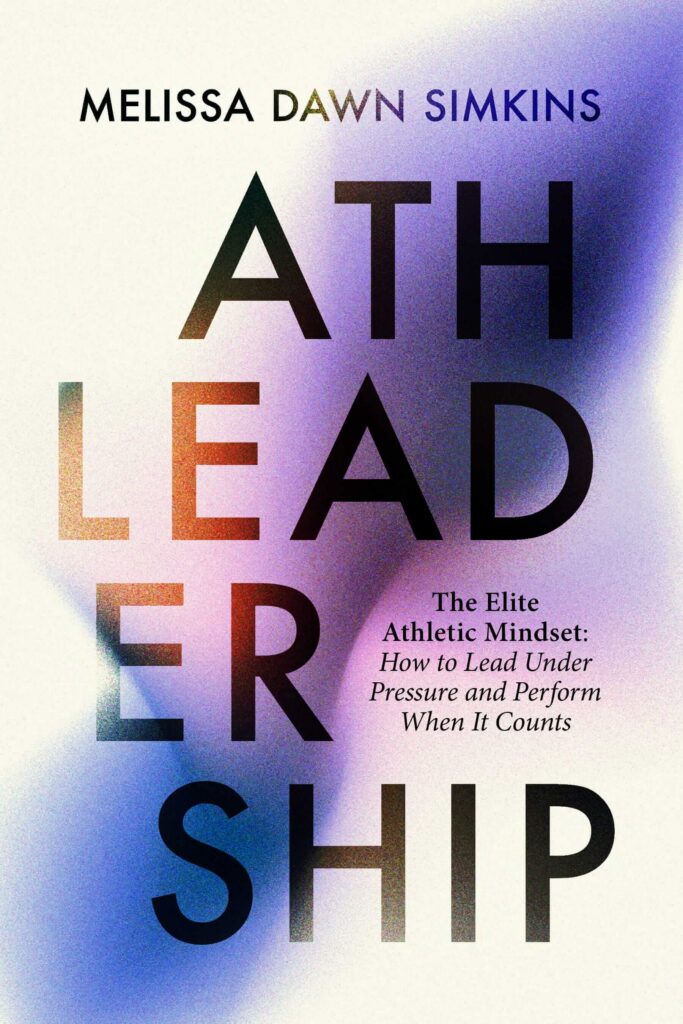
An excerpt from Athleadership: The Elite Athletic Mindset: How to Lead Under Pressure and Perform When It Counts