

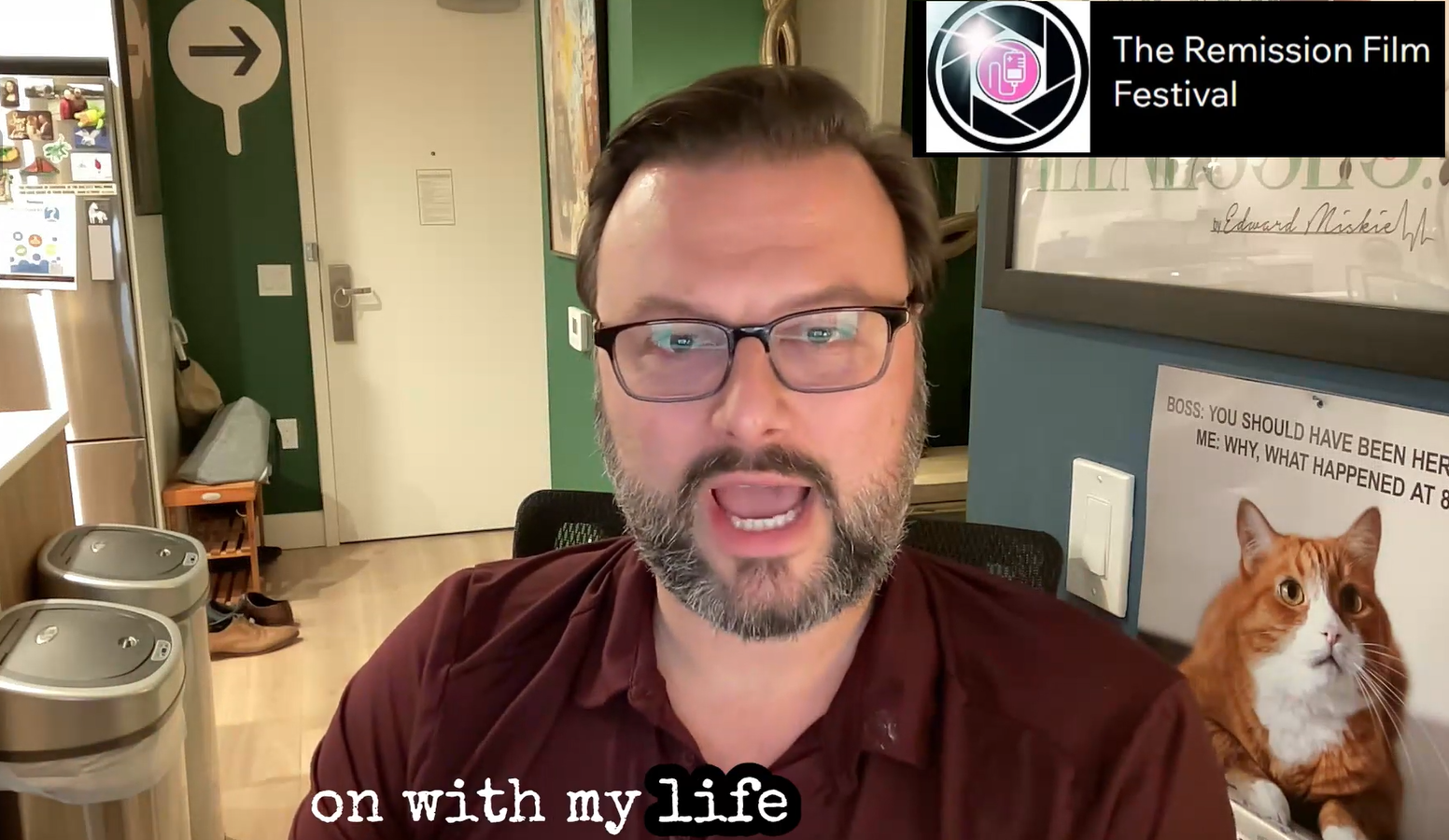
The Remission Festival is coming to New York City at Symphony Space on April 17th, 2026.
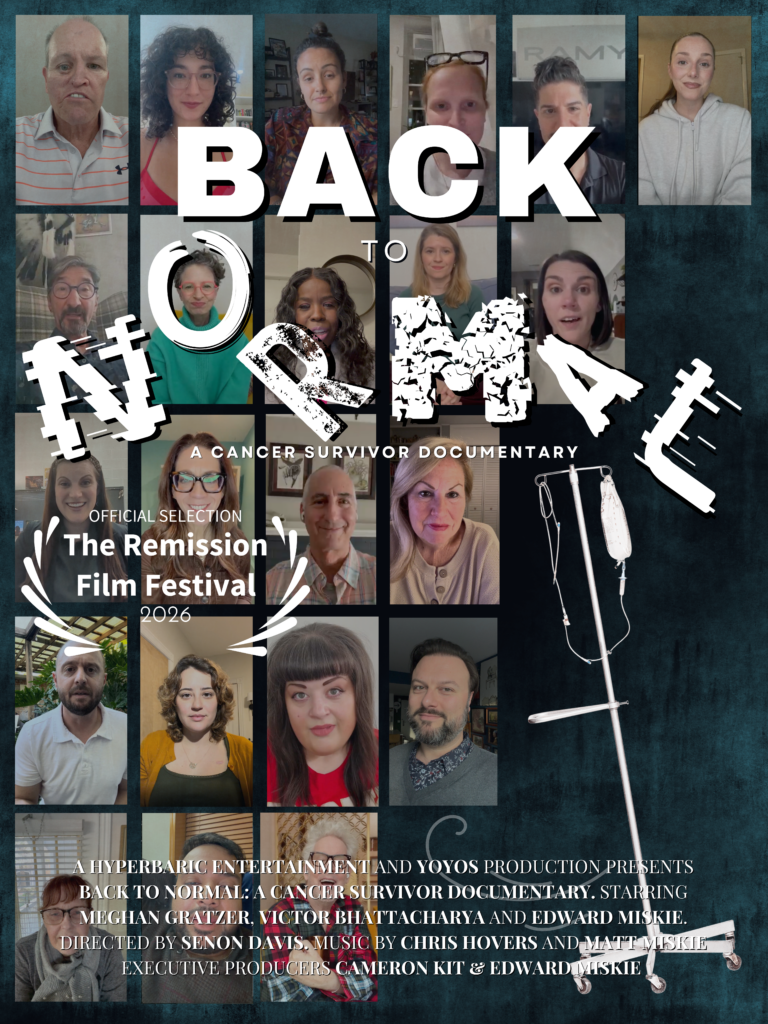
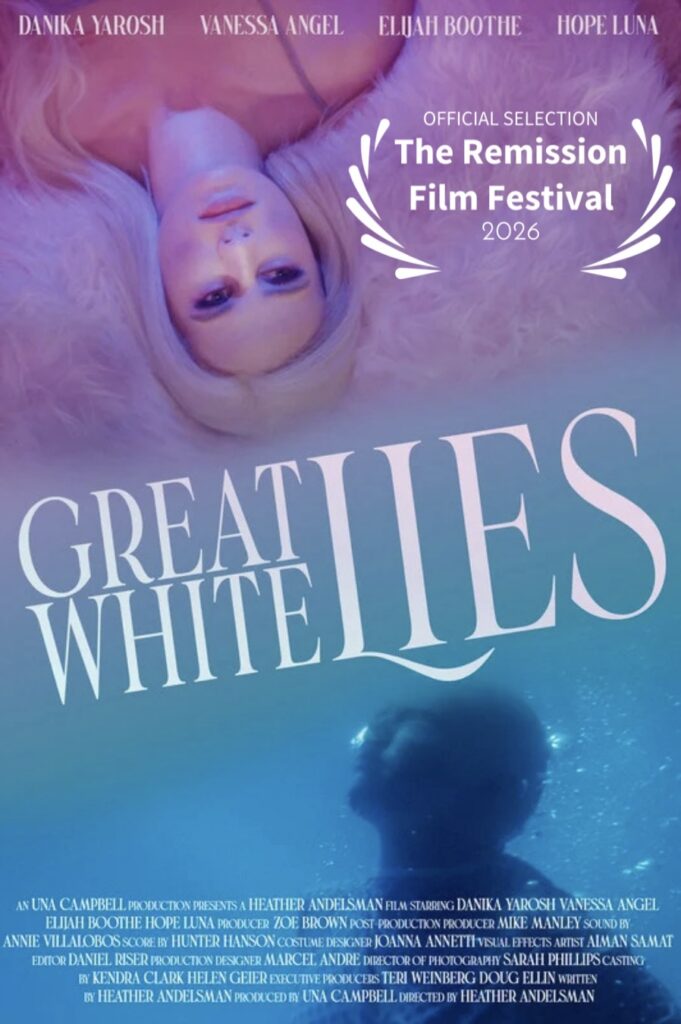
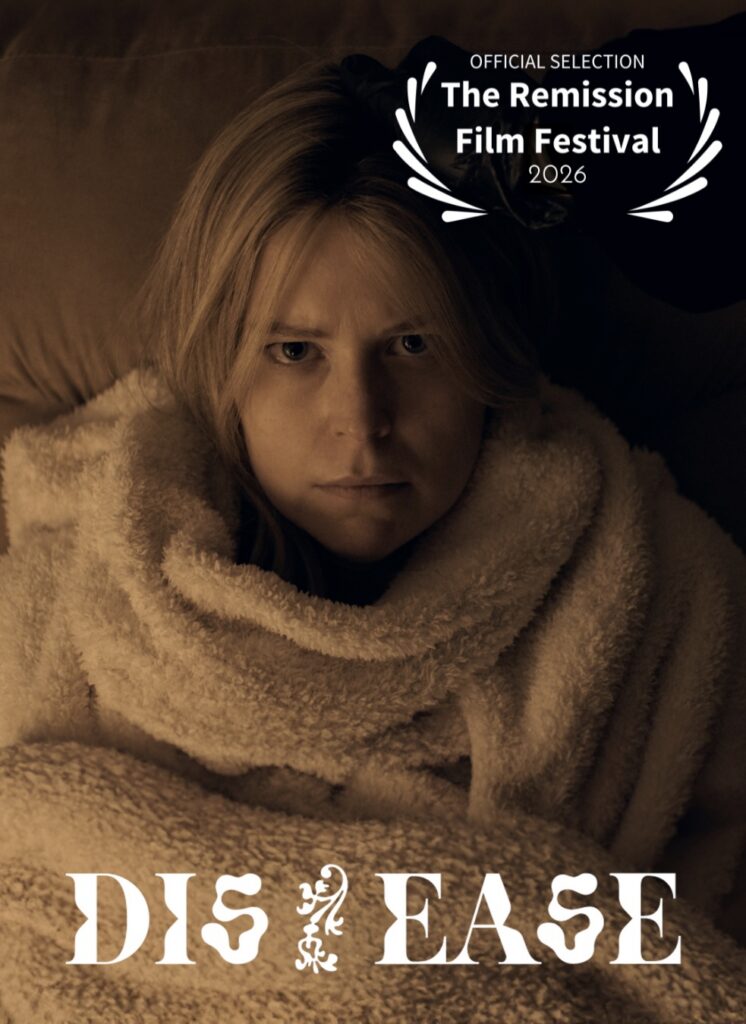
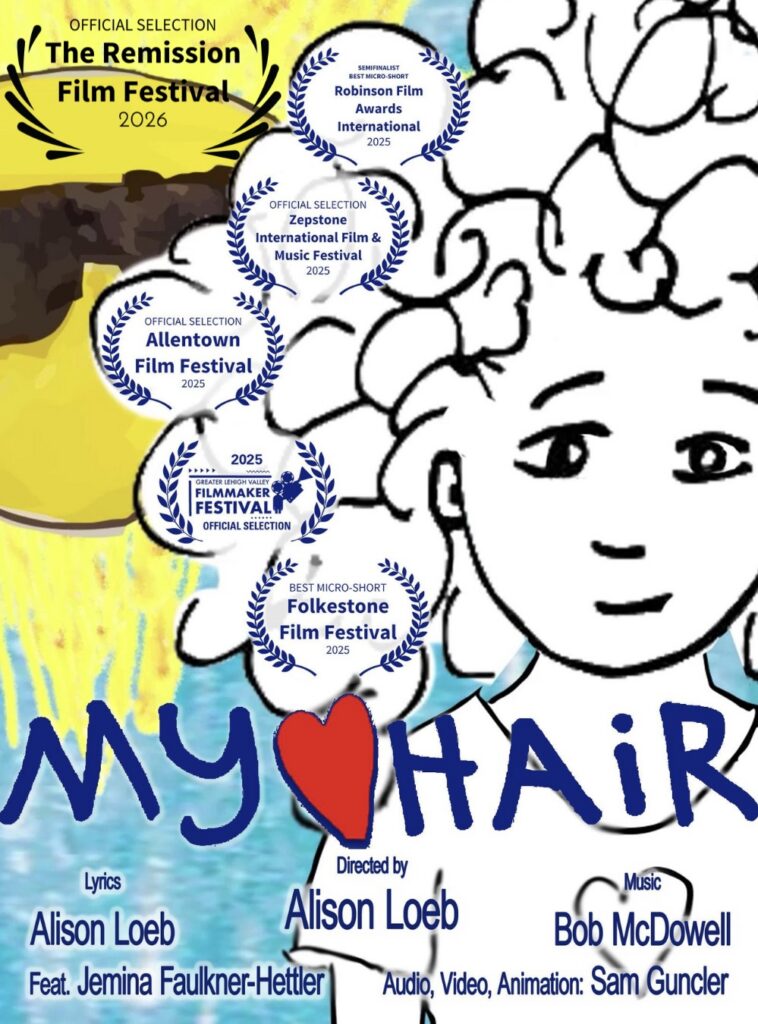
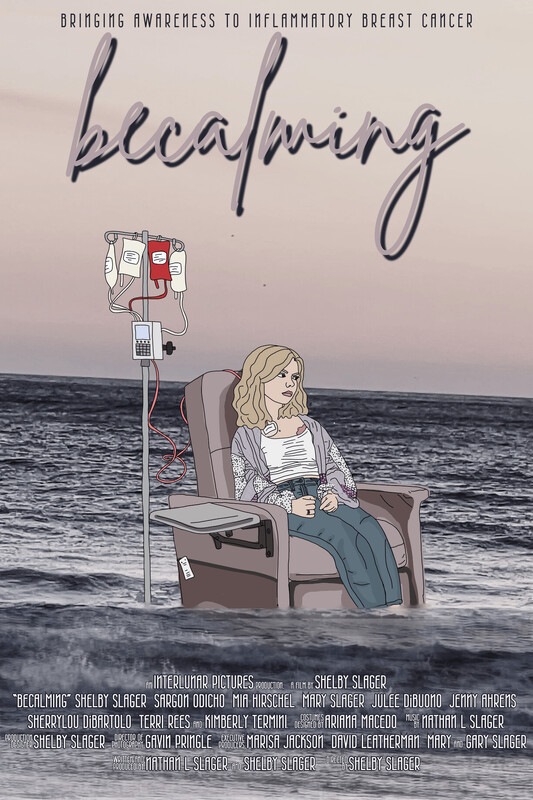
I had the chance to sit down for a preview conversation with a few of its filmmakers, including Edward Miskie (Back to Normal), the founder, as well as Heather Andelsman (Great White Lies), Alison Loeb and Sam Guncler (My Hair), and Justin Zagri & Katie C’etta (DIS-EASE).
Healthcare conversations often center on treatment, survival, and outcomes. What happens after treatment, the part that doesn’t fit neatly into a clinical narrative, is where many of these stories begin.
Redefining Life After Cancer
Participants spoke about how cancer reshapes identity, relationships, and the very idea of what “normal” means. One of the clearest takeaways was that there is no going back. Even years after treatment, life carries new perspectives, new challenges, and a deeper sense of priorities.
One survivor described the shift this way: “Life feels more present. You notice things you might have taken for granted before. Small problems don’t weigh as heavily, and every moment feels more significant.” Others echoed this sentiment, noting that the desire to “return to normal” often clashes with the reality of who they’ve become.
Edward Miskie, the film festival organizer, framed it in his own work: the event exists to fill a gap. “There was this hole,” he said. “Especially with cancer rates rising, why is there nothing like this? Big studios aren’t going to do it because it’s risky. This is real. This is what we’re all dealing with.”
Stories Beyond Survival
Festival entries highlight the parts of cancer life that don’t make it into everyday headlines. There are films about planning for a family only to face a cancer diagnosis instead, projects about returning to school or work, and stories exploring what life feels like after treatment.
“I think every show or movie about cancer usually frames it around being a patient and then surviving,” one participant said. “But there’s so much more. There’s the return to daily life, the relationships, the way you see yourself afterward.”
Visual storytelling emerged as a common theme. Participants discussed how film allows experiences that are difficult to articulate to be expressed and shared. “Sometimes you’re screaming into the void trying to explain it,” one noted. “Film lets people digest it in a way words alone can’t.”
Moving Forward
The discussion also turned to what it means to move forward. Many participants described the challenge of letting go of the person they were before cancer and moving toward the life they actually want. “It’s only recently that I realized moving forward doesn’t mean reclaiming the past,” one said. “It means building something new from what you have now.”
Grief over what was lost was acknowledged as part of the process. “You’ve been robbed of a part of your life,” one reflected. “It’s important to hold space for that and then move on.”
What Couldn’t Be Said
At the end, I asked one final question: what is one word you hope people take away from your work? “Appreciation,” came the answer, capturing the underlying feeling shared across conversations.
For more information and tickets: remissionfilmfest.com
What stayed with me after this discussion was how these filmmakers, creators, and survivors are giving language and image to spaces often overlooked. They are not just patients or survivors. They are people navigating the life that comes after cancer, offering insight into the complexity, the nuance, and the humanity of moving forward. And as a two-time cancer survivor, I know this journey intimately.