



Ask any experienced manager about the mistakes they made in their early days, or the things they badly misconstrued, and you’re likely to get a smirk and a sarcastic response such as “Wow… so much to choose from. Where should I start?” And here’s the reality. You’re going to make mistakes, too—a lot of them. Every manager does, no matter how experienced they become.
When I look back on my early struggles as a manager, both in my consulting days and corporate life, I realize I tended to focus too much on the work and my team, and not enough on the “long game” of relationship building. I also underappreciated the degree to which politics could trump merit. Sometimes, the work itself almost didn’t matter—it was all about perceptions. On a more granular level, I tended to over-edit almost every document that came to me for review (and sometimes still do). These are just a few of my (many, many) mistakes, and they illustrate the kinds of challenges that many new managers experience. While we can’t help you avoid every possible managerial misstep, we can highlight some of the common ones and how to steer clear of them.
Wanting to Be the Expert
Resist the feeling that you need to be expert in everything your team does. Some team members will be better at certain tasks than you are and have a deeper understanding of their day-to-day work. This becomes ever truer as the scope of your responsibilities grows. Instead of trying to always know it all, focus on listening, asking questions, and guiding your team. This kind of approach is especially important if you find that your team looks to you for solutions whenever they need help. Rather than immediately offering an answer or advice, use these instances to build their confidence and guide them to their own solutions. You could ask, “What options are you considering?” or “What do you think would be best?” This kind of coaching mindset helps both develop your team and reserve your energy for more strategic work.
This was an area where I had to unlearn some behaviors. When I was going through military training, a senior officer described to us how he would seek to understand his unit’s work better than anyone else. At the time, I accepted that this was what good managers did. His advice stuck with me and shaped how I initially approached my own managerial work. Over time, though, I came to realize that his approach was all wrong. He was way too focused on proving to his team that they didn’t know as much as he did, rather than investing in helping them develop their own knowledge and skills. Eventually, I realized that shifting to a more Socratic question-focused approach would better serve both me (less work) and my team (more development).
Over-Promising
In most management roles, you’ll often find yourself pushed for “more”—by your team, manager, peers, and others—and this can lead to mismanaged expectations. However, you’re no longer solely performing your own work. You’re managing the work of a group. If you assume that all your team members are as talented as you, or that your heroics as an individual contributor will automatically translate into managerial success, you may establish overly ambitious goals or try to accomplish too much too quickly.
As an example, consider the experience of Xavier. “In one of my early management roles,” he said, “I took on an underperforming sales team. There was clear pressure to improve, and I confidently promised that we’d double our results in a year. Then I got into the thick of it with the team and realized there were a lot of reasons they were struggling, not all of which were within their control. We were able to deliver a double-digit sales increase that year, but it was nowhere near a full doubling. Fortunately, my boss accepted that I’d over-promised, and I didn’t lose my job. But I certainly learned a valuable lesson.”
To avoid this pitfall, focus first on getting to know your team and assessing their capabilities. Take stock of what they’ve accomplished, what you’re being asked to deliver, and what you believe is possible. Then set achievable short-term goals while keeping long-term objectives in mind. Learn through experience what the team can deliver, and identify where you can drive improvements. Only then should you start the process of stretching them—and yourself—for “more.”
The Things You Don’t Do
Some of the most damaging mistakes managers make relate to things they don’t do or aren’t doing frequently enough: communicating effectively, providing coaching and feedback, addressing issues in a timely fashion, asking for help when needed, and taking care of themselves. These types of shortcomings are often the source of your biggest managerial regrets. The pressures of the role lead many new managers into “firefighting mode,” and good practices fall by the wayside. Avoid this misstep by developing strong systems and making them as routine as possible. As James Clear says in Atomic Habits, “You do not rise to the level of your goals; you fall to the level of your systems.” Those systems should include holding regular team meetings, conducting one-on-ones, and revisiting objectives and progress at regular intervals—all things we’ll discuss in later chapters.
***
Every manager makes mistakes and misconstrues the realities of the role, such as by trying to be the expert, over-promising, or failing to do the things they should be. Effective management requires letting go, embracing conflict, thinking strategically, and building the systems that support consistent leadership. We’ll talk more about how to do these things in upcoming chapters, but first, we’re going to look at some of the many roles you’ll play as a manager, and the breadth of relationships you must build.
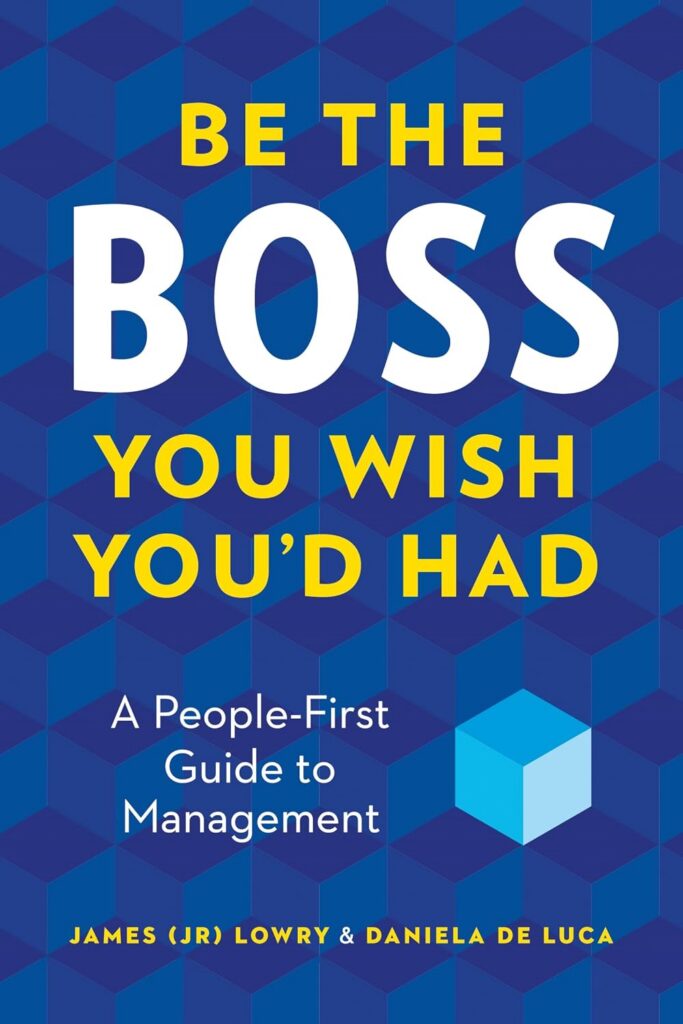
Excerpted from Be the Boss You Wish You’d Had: A People-First Guide to Management, February 2, 2027, Page Two.