
Most of us live with a quiet assumption that if something goes wrong medically, the system will take care of us. Doctors will know what we need. Someone will have our records. Everything will work out.
But what happens when the emergency is sudden — a car accident, a cardiac event, a severe allergic reaction — and you cannot speak for yourself? What happens when the first responders on the scene have no idea what medications you take, what conditions you have, or who to call?
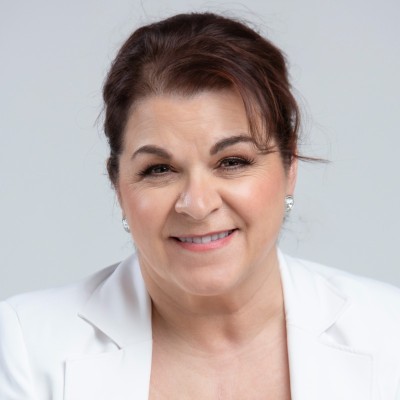
This is the question that drives the work of Michele Bolton, Founder and CEO of MY911 Inc., a healthcare technology company focused on improving emergency medical communication between patients, first responders, and healthcare professionals. Bolton’s mission grew from her own series of life-threatening health challenges — including facing her mortality at age thirty — and the profound clarity that followed.
“When you’re lucky enough to have a second chance,” Bolton has reflected, “you experience a serious shift in perspective. Life is a gift that can be taken from you in the blink of an eye, at any age.”
Her story offers more than inspiration. It offers a practical roadmap for something everyone of us can — and should — do right now.
Why Most People Are Dangerously Unprepared
Emergency preparedness tends to feel like someone else’s problem. We associate it with people who are older, sicker, or less fortunate than ourselves. And so we delay, assume, and forget.
But medical emergencies don’t discriminate. They happen to athletes, to young parents, to healthy professionals in the middle of ordinary days. And when they do, the gap between “prepared” and “unprepared” can mean the difference between receiving the right care quickly and receiving the wrong care too late.
Research consistently shows that when first responders and emergency medical teams have access to accurate health information at the point of care, patient outcomes improve. Knowing a patient’s current medications, allergies, and existing conditions in the first minutes of an emergency helps clinicians make faster, safer decisions — and avoid dangerous errors like administering a drug to someone who is allergic to it.
The problem is not that the information doesn’t exist. It’s that no one has it organized, accessible, and ready.
The Information That Could Save Your Life
When emergency responders arrive on the scene, there are several categories of information they need immediately. Bolton identifies these as the foundation of any serious preparedness plan:
Current medications. Certain drugs change how emergency treatment can proceed. A patient on blood thinners, for example, requires a very different approach to trauma care than one who is not.
Known allergies. Particularly life-threatening ones. Administering a medication someone is severely allergic to in an already-critical moment can turn a manageable situation into a fatal one.
Underlying medical conditions. Pre-existing conditions like diabetes, heart disease, epilepsy, or respiratory illness shape how care is delivered from the very first intervention.
Emergency contacts. Knowing who to call — someone who can provide context, make decisions, and offer support — is both practically and emotionally critical.
The challenge is not gathering this information. Most people know these things about themselves. The challenge is having it organized, updated, and accessible to someone who needs it when you cannot communicate it yourself.
The Hidden Risk of Assuming Someone Else Has It Handled
One of the most common and costly assumptions people make is that the healthcare system already has everything it needs. Electronic health records exist. Hospitals have databases. Surely, the information is somewhere.
But healthcare systems are fragmented. Records don’t always transfer seamlessly between providers, regions, or countries. Information goes out of date. And in an acute emergency — especially in a public setting, far from a primary care provider — none of that information may be accessible in time.
Bolton’s insight is simple but powerful: the person best positioned to manage and communicate their health information is the patient themselves. Not because the system has failed, but because no one has a greater stake in getting it right.
This is what patient empowerment actually means in practice. It is not a passive concept. It is the active choice to take ownership of the information that defines your care — to organize it, update it, and make sure it can reach the people who need it when you cannot deliver it yourself.
Preparedness as an Act of Love for Your Family
Emergency preparedness is not only a personal responsibility. It is a family one.
Parents need to think about their children. What medications are they on? What allergies do they have? If something happened at school, on the field, or in the car, does anyone have that information readily available?
Adult children need to think about aging parents. As parents grow older, their medical profiles grow more complex — more medications, more conditions, more specialists. Yet this is often also the time when their ability to communicate that information in a crisis diminishes. Knowing their information — and making sure it is organized — is one of the most concrete acts of care a family can offer.
Caregivers, too, carry a particular responsibility. When caring for someone who is already compromised, having clear, accurate, and accessible health information is not a convenience. It is a core part of safe care.
The question Bolton encourages every family to ask is deceptively simple: If something happened right now, does someone have the information they would need?
The Psychology of Preparation: Why We Avoid It and How to Start
There is a well-documented psychological barrier to emergency preparedness: it requires us to imagine our own vulnerability. And most of us are wired to resist that.
Research in cognitive psychology describes this as optimism bias — the tendency to believe that negative events are less likely to happen to us than to others. It is the same mechanism that leads people to skip health check-ups, delay estate planning, and ignore the emergency preparedness conversation entirely.
The antidote is not fear. Fear tends to paralyze more than it motivates. The antidote is reframing preparation as something you do not for worst-case scenarios, but as an act of care, clarity, and control — for yourself and for the people you love.
Bolton describes her own motivation this way: her work is not about the emergency. It is about peace of mind. It is about knowing that if the unexpected happened, the right information would be in the right hands.
That reframe — from dread to empowerment — is what makes the difference between a conversation people avoid and one they are ready to have.
Three Things You Can Do Today
Inspired by Bolton’s framework, here are three practical steps anyone can take right now to meaningfully improve their emergency preparedness:
1. Write it down. Start with a single document — digital or physical — that lists your current medications, known allergies, and key medical conditions. Include your primary care provider’s name and your emergency contacts. This alone puts you ahead of most people.
2. Keep it updated. A list that is two years out of date is worse than useless — it can actively mislead. Set a reminder every six months to review and update your health information. Treat it the way you treat renewing insurance or updating a password.
3. Make sure someone else can find it. The most carefully prepared health profile does no good if no one knows it exists. Tell a trusted family member or close friend where your information is and how to access it. Consider keeping a summary card in your wallet.
None of these steps requires significant time, money, or expertise. They require only the decision to take them.
A Final Reflection
Michele Bolton survived health crises that changed her view of everything. What she found on the other side was not fear, but purpose — a clear-eyed commitment to helping others avoid the helplessness that a sudden medical emergency can create.
Her message is not a warning. It is an invitation.
The information that could protect you in the most frightening moment of your life is already in your head. You already know your medications, your allergies, and your conditions. The only question is whether you have made that knowledge accessible — to your family, to your caregivers, to the strangers who might one day be responsible for saving your life.
Preparation is not about expecting the worst. It is about honoring the life you have — and making sure that if something ever threatens it, the people trying to help you have everything they need.
Your life. Your voice. Your plan.