
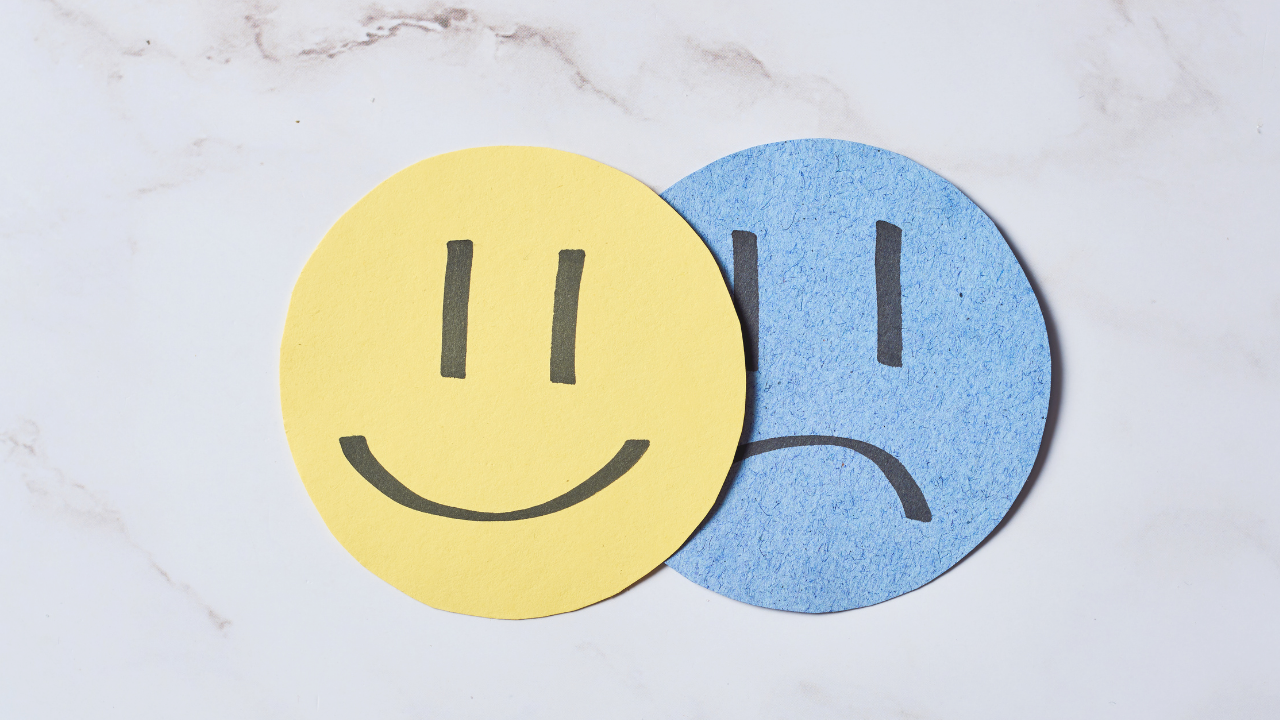
“High-functioning depression isn’t a personal failure—it’s a nervous system doing its best to protect you. When we stop judging ourselves and start listening to what our body is asking for, that’s where real healing begins.”
High-functioning depression is one of the most misunderstood emotional experiences of our time. Unlike the stereotypes often associated with depression, it doesn’t always look like falling apart. More often, it looks like showing up, meeting expectations, caring for others, and continuing to perform—while feeling quietly exhausted, numb, or disconnected inside.
Many people living with high-functioning depression are parents, caregivers, professionals, and high achievers. From the outside, they appear capable and reliable. Internally, they may feel depleted, emotionally flat, or as though they are simply going through the motions of life. Because there are few visible signs, their struggle often goes unnoticed, unspoken, and unsupported.
From a nervous-system perspective, this experience makes sense.
Rather than being a personal failure or weakness, high-functioning depression can be understood as the body’s intelligent attempt to survive under prolonged stress. When the nervous system has learned that staying productive and functional is what keeps someone safe, it will prioritize performance—even at the cost of emotional connection and joy.
The Nervous System and the “Window of Tolerance”
The concept of the window of tolerance helps explain why people can appear functional while feeling internally unwell. This window refers to the state in which the nervous system feels regulated enough to engage with life—to think clearly, connect emotionally, and respond rather than react.
When someone is inside their window of tolerance, they have capacity. They can experience emotions without being overwhelmed by them. They can rest, relate, and feel present in their body.
Under chronic stress, trauma, or long-term pressure, that window can narrow. When this happens, the nervous system shifts into survival states. For some people, that looks like anxiety, urgency, and constant motion. For others, it looks like shutdown—low energy, numbness, heaviness, and emotional disconnection. Depression often lives in this shutdown state.
What makes high-functioning depression particularly difficult to recognize is that someone can move between these survival states. They may push themselves through the day using adrenaline and determination, only to collapse once responsibilities end. This cycle of pushing and shutting down is deeply exhausting, yet often normalized as “just how life is.”
Why High-Functioning Depression Is Often Missed
High-functioning depression is frequently overlooked because productivity is mistaken for well-being. When someone continues to work, parent, manage tasks, and care for others, their emotional state is often assumed to be fine.
Over time, emotional numbness can become familiar. People may not realize how disconnected they feel because they have lived that way for so long. Life continues to happen, but it no longer feels fully inhabited.
This experience is especially common among high achievers. Many have nervous systems that adapted early on to stay busy, capable, and self-reliant. Slowing down may feel uncomfortable or even unsafe. Rest can bring up emotions that have been held at bay for years, so the system keeps moving instead.
“I’m Fine” as a Survival Strategy
One subtle sign that someone may be living outside their window of tolerance is the automatic response of “I’m fine,” even when that doesn’t feel true. Another is a growing sense of disconnection—from the body, from emotions, or from relationships. Many people avoid checking in with themselves because they fear that if they pause, everything they’ve been holding together will spill out.
At the end of the day, when external demands finally stop, the nervous system often collapses. This can look like zoning out, binge-watching, emotional eating, or scrolling—attempts to find relief from prolonged activation. These behaviors are not failures of discipline; they are signals that the body is tired and seeking safety.
Regulation, Not Judgment
One of the most important shifts in healing is moving away from self-judgment. Coping strategies—no matter how imperfect—develop for a reason. When people judge themselves for how they cope, they add shame to an already overloaded system.
Awareness without criticism is powerful. Simply noticing patterns—without immediately trying to fix them—can begin to bring the nervous system back toward regulation. Grounding practices that engage the senses, gentle breathing, and moments of presence can help signal safety to the body.
For many people, support is also essential. When someone feels stuck, overwhelmed, or unable to access relief despite knowing what might help, working with a nervous-system-informed professional can make the process safer and more effective. Support is not a sign of incapability—it is a recognition that healing does not have to happen alone.
A Compassionate Reframe
High-functioning depression is not a character flaw. It is not a lack of gratitude, strength, or resilience. It is often the result of a nervous system that has been carrying too much for too long.
Healing begins with understanding. When emotional exhaustion is seen through the lens of safety and survival rather than judgment, space opens for compassion, support, and change. With time, patience, and the right tools, it is possible for the nervous system to expand its capacity again—and for people to reconnect with parts of themselves they may have thought were lost.
If you are quietly struggling, it matters. And you deserve care, rest, and support—not because you’ve failed, but because you’re human.