
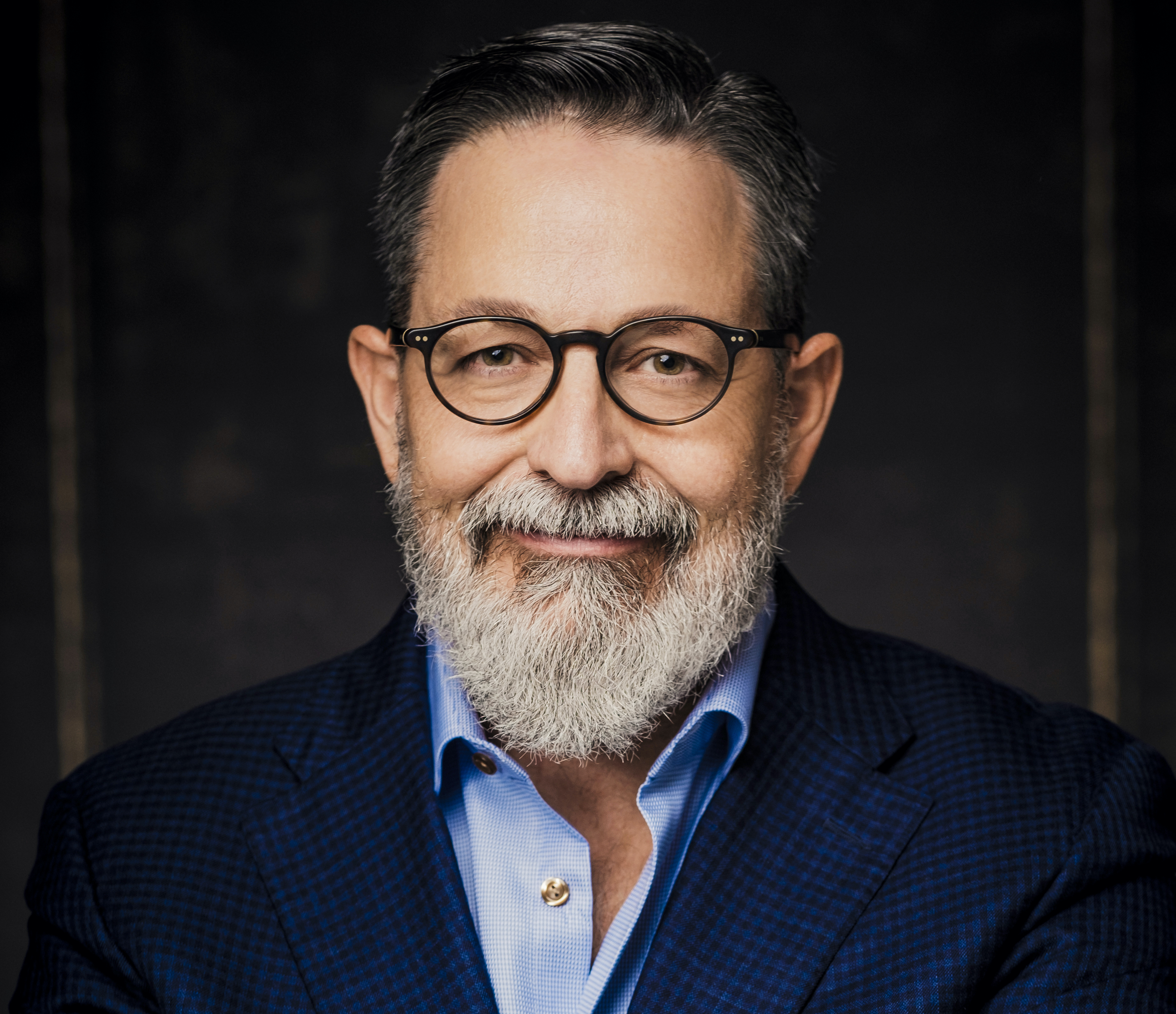

Confidence opens doors. When someone communicates with steady, authentic self-assurance, people tend to listen. They are more likely to trust your decisions, align with your goals, and follow your lead. It is a visible quality among many CEOs, public figures, and rising business leaders.
But confidence is not a gift. It is not fixed at birth. It is also not something that appears overnight. Confidence can be built. It can be learned. And for high performers, it is something they invest in, just like any other leadership skill.
Those who thrive in fast-paced, high-pressure environments understand that confidence plays a critical role in their trajectory. It helps them manage risk, communicate with clarity, and stay grounded when things get complex. They view confidence as an asset. Not just a mindset, but a measurable, trainable advantage.
Here are three ways they invest in building it and how you can follow their lead to improve your own confidence.
Refine Your Physical Presence
There is a direct link between physical self-image and internal confidence. You have likely stood in front of a mirror at one time and focused on what you wish you could change about yourself physically. High performers do something about it. They know that how they feel in their body affects how they speak, lead, and engage with others.
This can be something as simple as posture or professional presence. But it often goes deeper and many professionals choose to alter their physical appearance.
Joseph Field, a cosmetic and reconstructive dentist at the Peninsula Center of Cosmetic Dentistry, sees patients ranging from CEOs to successful Silicon Valley entrepreneurs.
“One of my patients is the CEO of a top-tier global imaging tech firm. He first came to me when he chipped his two front teeth on a champagne bottle. He’d put off fixing his teeth for years, but decided to fix them because the chips were visible,” said Field. “He decided to not only fix the chips, but to have a full smile makeover. The results completely shifted how he saw himself. He told me that the boost in confidence it gave him sparked a whole new self-care routine. He lost weight, completely transformed his image, and not long after, launched a billion-dollar hedge fund.”
There are ripple effects to the actions you choose to take. Once you focus on improving one area of your life, other areas, like your physical health, will follow. A 2023 study found that people who exercise consistently tend to work more productively, think more clearly, and recover more quickly from stress.
That kind of physical foundation makes it easier to bring your best self to high-pressure situations.
Manage Your Digital Story
If you are serious about advancing your career, your digital footprint matters. The version of you that lives online will shape how others perceive your work and your leadership. Yet many professionals treat their online presence as an afterthought.
When people look you up — and they will — what they find should align with the person you want to be known as. This is why more professionals are working with media coaches to take charge of their story. A media coach is not just a PR tool. It is a strategic advisor who helps you avoid missteps and present your ideas with clarity.
A strong online presence does not directly generate confidence, but it clears away doubt. It removes the lingering concern about how others interpret your background or credentials. That peace of mind allows you to focus on what matters. As Otter PR points out, public skepticism of business leaders is growing. Managing your content and narrative is not just reputation protection. It is a confidence tool.
Build Emotional Awareness with Intention
Confidence is not just about posture and poise. It is also about emotional range. When you understand your emotions and how they affect others, you are more likely to lead with empathy and conviction.
That kind of awareness does not come naturally to everyone. Especially for professionals who have been taught to keep emotions at arm’s length. But emotional intelligence is not a weakness. It is a competitive advantage. Leaders who are emotionally tuned in to themselves and others build trust faster, manage conflict more effectively, and communicate with purpose.
People remember how you make them feel. And when you act with empathy, others are more likely to support your vision and respond positively to your leadership.
Confidence that comes from emotional maturity is more sustainable than confidence built on image alone. It does not shake as easily when things get uncertain.
Final Thought
Confidence isn’t a performance. It’s a practice. And high performers treat it that way. They invest in it across physical, digital, and emotional domains. Not to impress others, but to reduce internal noise and increase strategic clarity. If you are aiming to make a big leap in your career, start by investing in the one thing that can move you into every room, every conversation, and every challenge — your confidence.