

Something subtle but significant has shifted in how people discover what they trust. Search hasn’t disappeared, but it no longer behaves the way founders built their growth strategies around. The tidy funnel of keywords, rankings, and clicks has fractured into something far less predictable and far more human.
Today, a potential customer might encounter your brand through an AI-generated answer, a creator’s recommendation, a niche community, or a short-form video. Visibility is no longer owned by a single platform, and neither is trust. That change is forcing entrepreneurs to rethink not only their marketing strategies, but also who they trust to lead them.
The founders who are adapting fastest are moving away from hiring specialists focused on “gaming” algorithms. Instead, they’re building teams centered on credibility, adaptability, and long-term authority. In this environment, the most valuable marketing hire is no longer a keyword expert, but a trust architect.
To successfully navigate this shift, founders can focus on three hiring strategies:
1. Shift From Algorithm Chasing to Brand Sovereignty
For years, marketing success came down to understanding how to win within a specific system, usually Google’s search algorithm. That approach worked when discovery was centralized. It breaks down when discovery is everywhere.
In an AI-driven world, keywords are no longer a stable foundation. Platforms evolve quickly, and AI systems increasingly synthesize information rather than simply rank it. Founders who continue to chase algorithms may find themselves in a constant cycle of reacting rather than leading.
This is where the idea of digital sovereignty becomes essential. Instead of relying on any single platform, resilient brands build authority that travels. They show up consistently across channels, with a clear voice and a reputation that doesn’t depend on rankings alone.
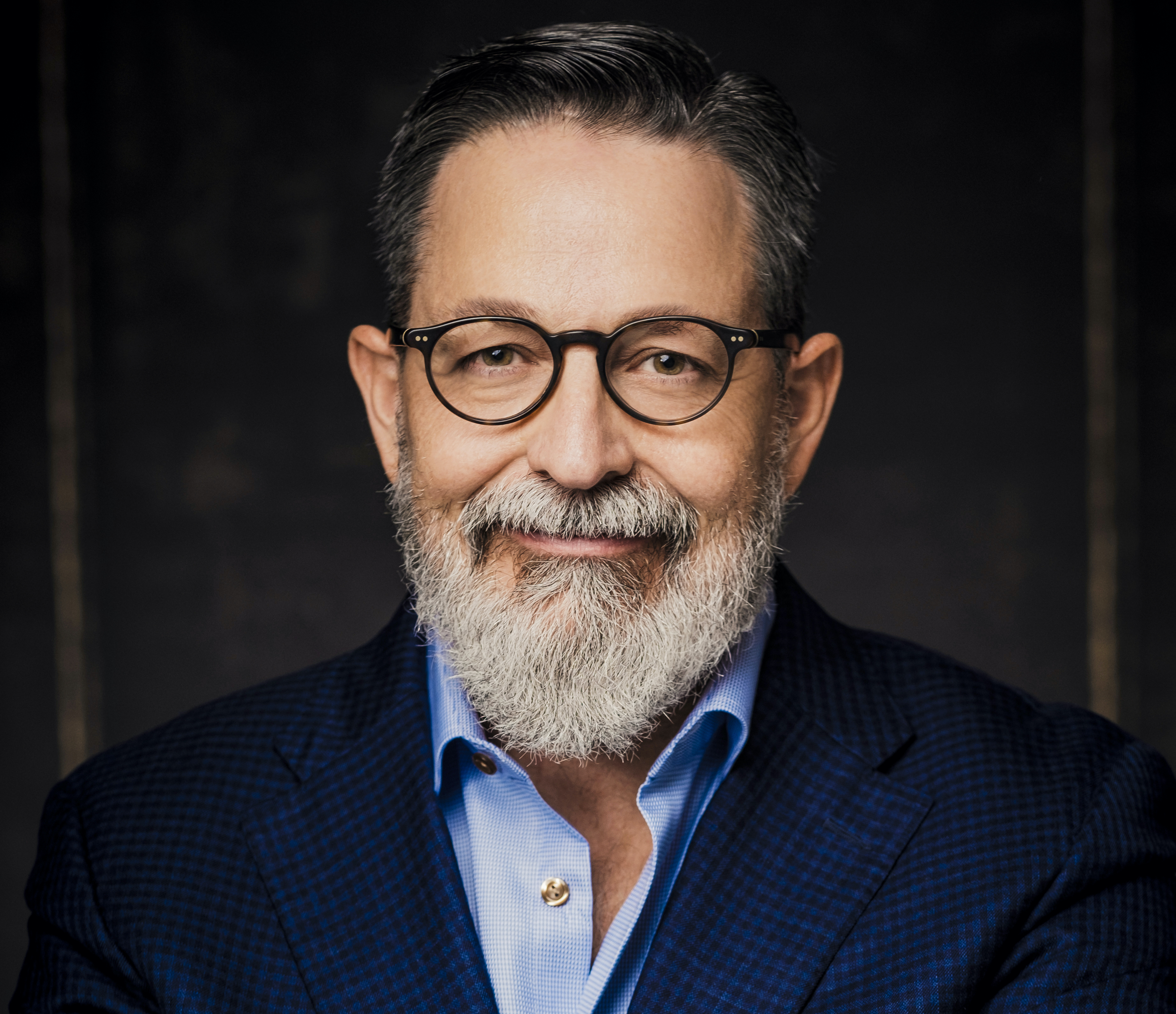
As Marti Willett, president of Digital Marketing Recruiters, explains: “A ‘trust architect’ goes beyond optimizing for rankings and instead focuses on building credibility, authority, and consistency across every digital touchpoint. While traditional SEO specialists prioritize keywords, backlinks, and technical performance, trust architects think holistically — aligning content, brand voice, user experience, and third-party validation to earn both human and algorithmic trust.”
Hiring for this mindset means prioritizing people who understand how trust is built over time, not just how traffic is captured in the moment.
2. Recruit AI Orchestrators for the Agentic Era
Another shift is happening behind the scenes. Marketing execution is becoming increasingly automated, with AI agents handling everything from content generation to distribution and optimization.
This doesn’t eliminate the need for marketers; it changes their role. Instead of manually executing campaigns, high-performing marketers now orchestrate systems. They guide, refine, and align multiple AI tools working across different platforms, from TikTok to emerging AI-driven search interfaces.
These “AI orchestrators” are not defined by their ability to use a single tool, but by their ability to think strategically about how systems work together. They understand where human judgment is essential and where automation can accelerate outcomes.
For founders, this shift reduces the pressure to constantly chase new tools or tactics. With the right orchestrators in place, the focus moves toward building systems that are adaptable by design. That adaptability becomes a source of both performance and peace of mind.
3. Treat Culture as a Core Marketing Advantage
Even with the right strategy and tools, many founders are still experiencing what could be called algorithm anxiety, the constant feeling that a single platform change could disrupt everything. One of the most effective ways to reduce that pressure isn’t technical — it’s cultural.
Teams that operate with shared values, clear communication, and a commitment to learning are better equipped to navigate constant change. They don’t rely on rigid playbooks and instead evolve together.
Willett puts it this way: “Building the right marketing team culture creates adaptability, which is critical as algorithms and platforms constantly shift. Teams that prioritize experimentation, data-driven decision-making, and continuous learning are better equipped to pivot strategies quickly without losing momentum.”
A strong culture also reinforces trust externally. When teams are aligned internally, their messaging becomes more consistent, their decisions more grounded, and their brand more credible. In a fragmented discovery landscape, that consistency is a competitive advantage.
A More Human Approach to Growth
What emerges from these shifts is not just a new hiring strategy, but a different philosophy of growth that places less emphasis on short-term wins and more on sustainable authority.
For founders, this can feel like a departure from the familiar. It requires letting go of the idea that growth can be engineered through a single channel or tactic. But it also creates something more stable in return. When you build a team focused on trust, adaptability, and shared purpose, your marketing becomes less reactive and more resilient. In a time where change is constant, that resilience is what allows businesses and the people leading them to thrive.